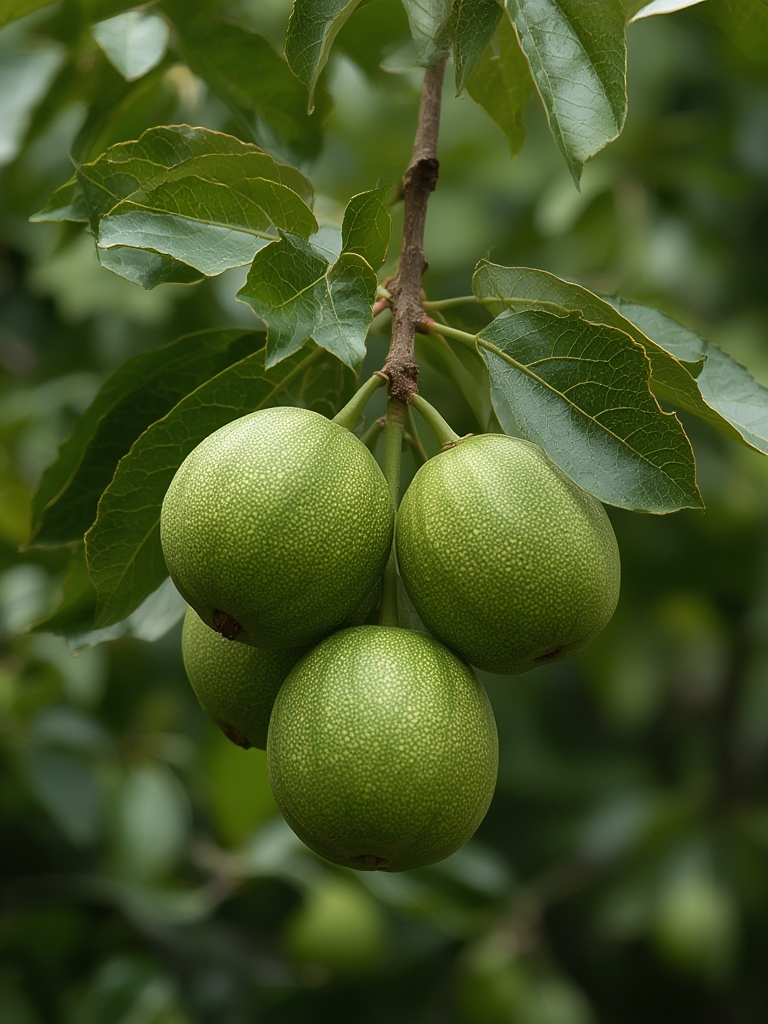

Have you ever tasted a perfectly ripe guava, with its sweet, tropical aroma and unique flavor that’s somewhere between pear and strawberry? Many people assume these exotic fruits can only thrive in professional orchards or tropical locations. But what if I told you that growing your own guava tree is surprisingly simple, even for gardening novices? Guava trees are remarkably adaptable, low-maintenance, and can produce abundant harvests with minimal effort, making them perfect for home gardeners looking to expand beyond typical garden fare.
Table of Contents
Materials & Supplies
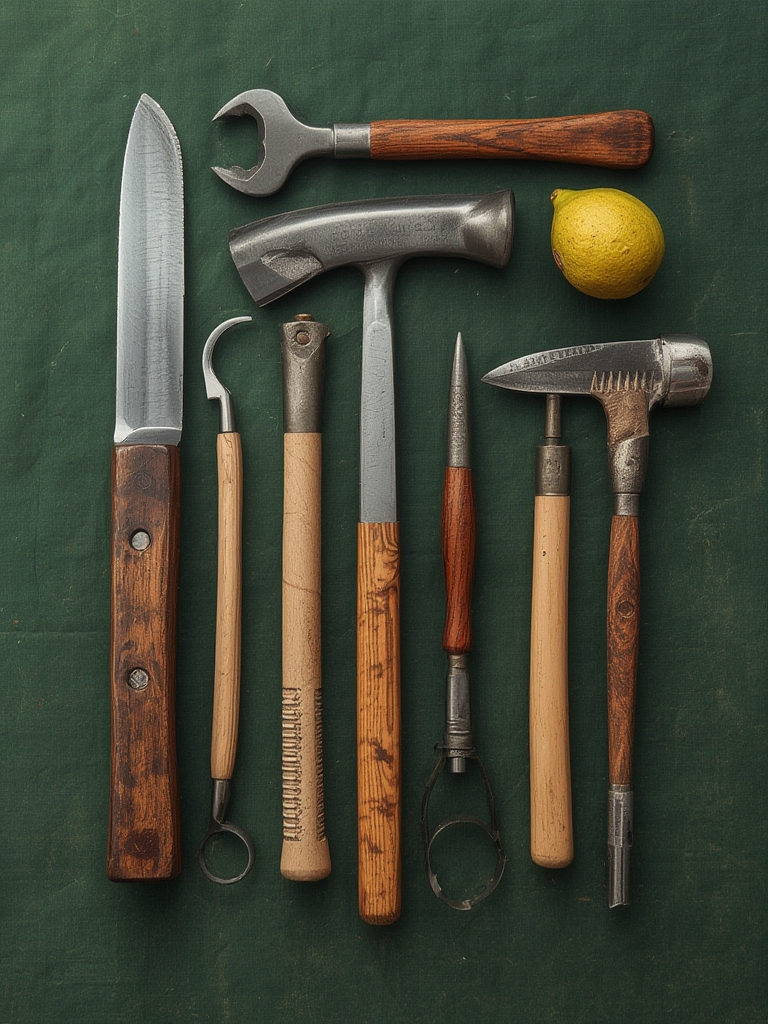
To start your guava growing journey, you’ll need:
- Guava seeds or young sapling: A 1-2 year old sapling will give you a head start on fruit production
- Potting soil: Well-draining soil with organic matter works best
- Container: A 15-20 gallon pot with drainage holes if growing in containers
- Fertilizer: Balanced NPK fertilizer (10-10-10) or one specifically for fruit trees
- Pruning shears: For shaping and maintaining your tree
- Watering can or drip system: For consistent irrigation
- Mulch: Organic material to retain moisture and suppress weeds
- Optional: Frost cloth for protection in colder regions
Timing / Growing Schedule
Guavas have a relatively quick path to production compared to many fruit trees. Plant your guava in spring after all danger of frost has passed. Most trees begin flowering within 2-3 years, with initial fruit appearing shortly after. Expect your first significant harvest around year 3-4, with trees reaching full production at 8 years. Unlike apple or pear trees that can take 5-7 years before producing, guavas reward your patience much sooner.
Step-by-Step Instructions
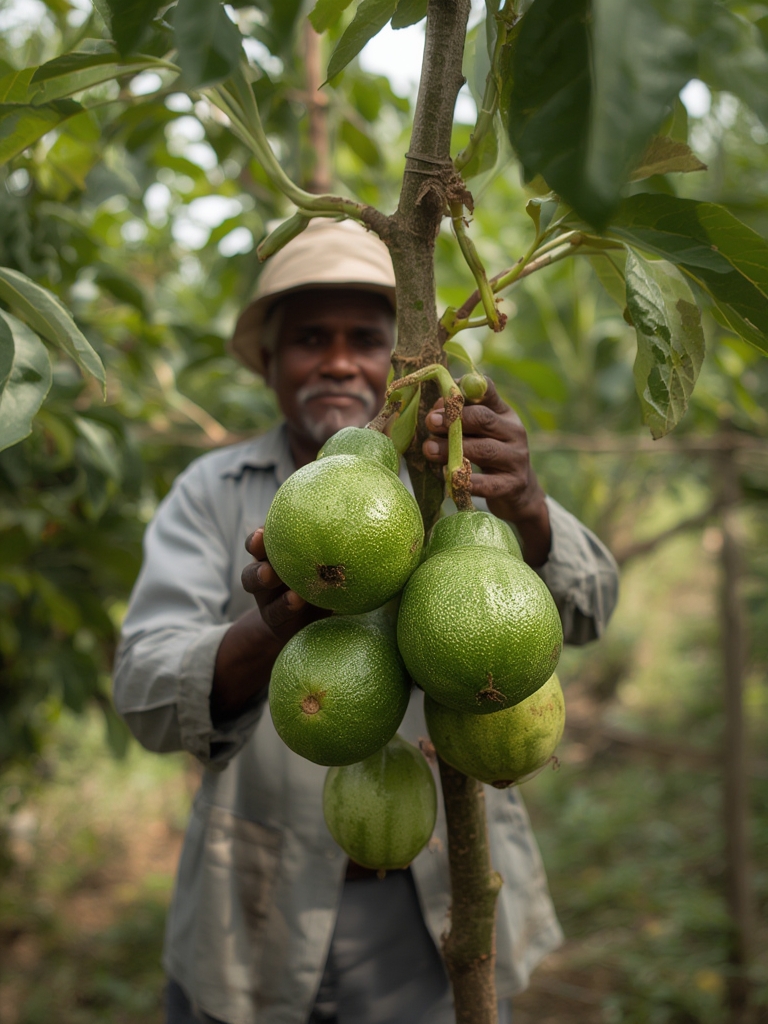
Select your growing location: Choose a spot with at least 6 hours of direct sunlight. If you’re in zones 9-11, outdoor planting works well; otherwise, use a container that can be moved indoors during winter.
Prepare the soil: Mix garden soil with compost to create a slightly acidic to neutral pH (6.0-7.0). Add perlite for container growing to improve drainage.
Planting: Dig a hole twice the width of the root ball but at the same depth. Place the tree, backfill with soil, and water thoroughly.
Watering routine: Keep soil consistently moist but not waterlogged. Water deeply 1-2 times weekly during the growing season, reducing in winter.
Fertilizing schedule: Apply balanced fertilizer three times yearly – early spring, early summer, and fall. Use half the recommended amount for container trees.
Pruning: After the first year, prune to create an open-center shape, removing crossing branches to improve air circulation.
Nutritional Benefits
Homegrown guavas offer exceptional nutritional value. They contain four times more vitamin C than oranges, significant amounts of dietary fiber, and are rich in vitamins A and E. Growing them yourself ensures access to preservative-free fruit picked at peak ripeness, maximizing both flavor and nutritional content.
Tips and Alternative Methods
Container gardening works exceptionally well for guavas, especially in colder regions. Choose dwarf varieties like ‘Ruby Supreme’ or ‘Tropical White’ for smaller spaces. For indoor growing, use grow lights to supplement natural light during winter. In humid areas, space trees properly to prevent fungal issues, while in dry climates, use mulch to retain moisture and create a more tropical microclimate around your tree.
Common Mistakes to Avoid
- Overwatering: Causes root rot; allow the top inch of soil to dry before watering again
- Improper pruning: Cutting back too severely reduces fruit production; limit to 1/3 of growth annually
- Ignoring pests early: Check regularly for fruit flies and scales; introduce beneficial insects as a natural solution
- Insufficient sunlight: Results in poor fruit set; ensure adequate exposure or supplement with grow lights
Storage / Maintenance Tips
Harvest guavas when they yield slightly to pressure and have a strong aroma. Store ripe fruit in the refrigerator for up to a week, or slice and freeze for up to six months. For tree maintenance, apply a fresh layer of mulch annually, keeping it several inches away from the trunk. In winter, reduce watering by about half and bring container plants indoors when temperatures drop below 35°F.
Conclusion
Growing guava trees offers an accessible entry point into exotic fruit gardening with minimal effort and maximum reward. Their adaptability to different growing conditions, relatively quick time to harvest, and exceptional nutritional profile make them an excellent addition to any garden. Start with just one tree and you’ll likely find yourself expanding your tropical fruit collection as you experience the satisfaction of harvesting your own guavas.
FAQs
How long does it take for a guava tree to bear fruit?
Most guava trees begin producing fruit within 2-3 years after planting, with full production around year 8.
Can I grow guava in cold climates?
Yes! Grow them in containers and bring indoors when temperatures drop below 35°F, or choose cold-hardy varieties like ‘Strawberry guava.’
How do I know when guavas are ripe?
Ripe guavas yield slightly to pressure, develop a strong sweet aroma, and change from bright green to yellowish (depending on variety).
Do I need two guava trees for pollination?
No, most guavas are self-pollinating, though having multiple trees can increase yield through cross-pollination.