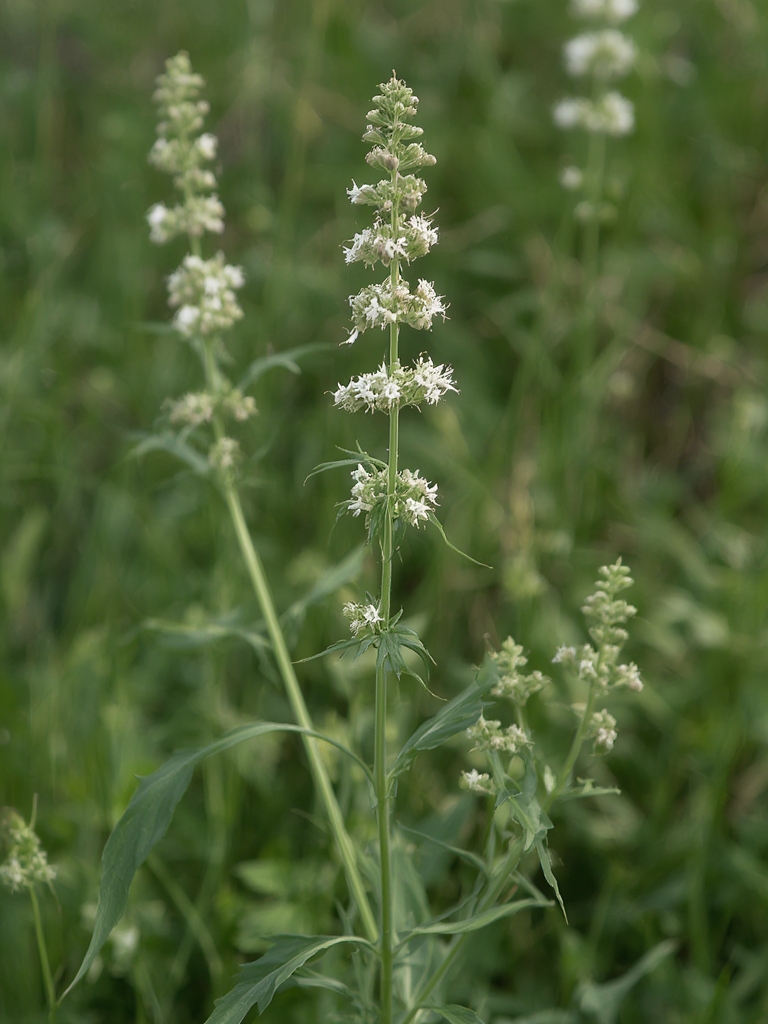

Have you ever reached for fresh tarragon while cooking, only to find your store-bought bunch has wilted away? Growing your own tarragon at home not only ensures a continuous supply of this delicate herb but also guarantees maximum flavor in your French cuisines, vinegars, and gourmet dishes. Tarragon, with its distinctive anise-like taste and aromatic qualities, is surprisingly simple to cultivate in home gardens. Whether you’re a culinary enthusiast or a gardening beginner, mastering tarragon cultivation can elevate your cooking while saving money on expensive store-bought herbs.
Table of Contents
Materials & Supplies
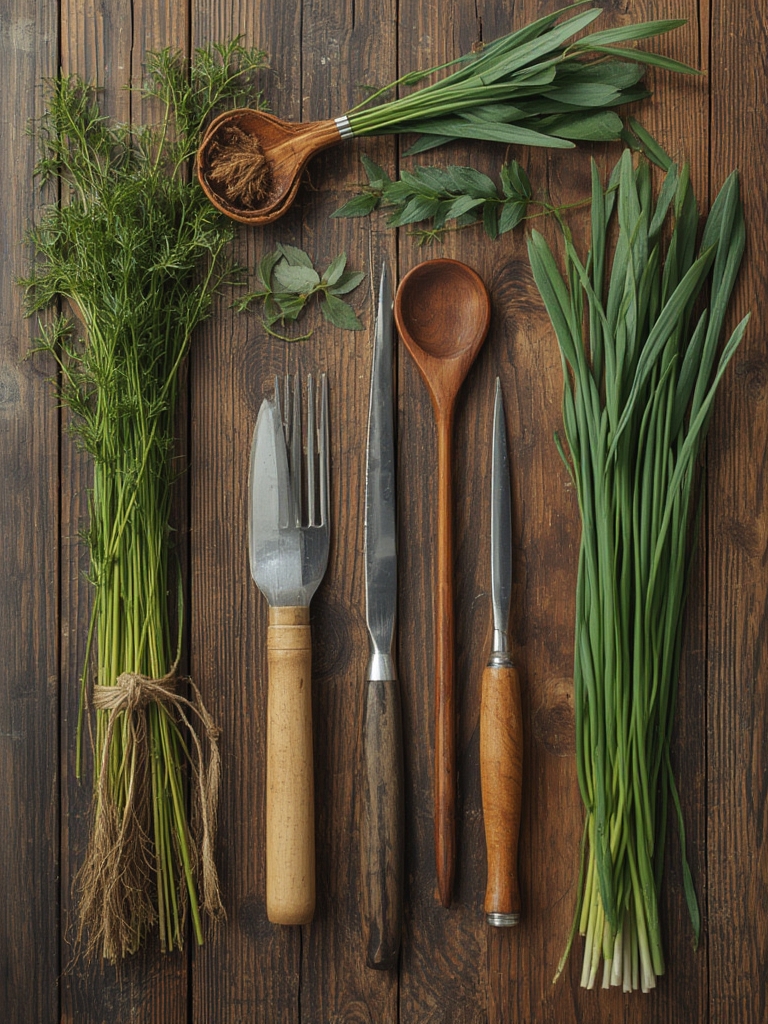
To successfully grow tarragon, gather these essentials:
- French tarragon seedlings or divisions: Since French tarragon rarely produces viable seeds, purchase established plants from nurseries
- Well-draining potting soil: Mix equal parts garden soil, sand, and compost
- Container: 12-inch deep pot with drainage holes (for container growing)
- Watering can: With fine spray nozzle for gentle watering
- Pruning shears: Sharp, clean scissors for harvesting
- Organic fertilizer: Liquid seaweed or fish emulsion (optional)
- Mulch: Light organic matter like straw or dried leaves
- Garden bed space: If planting directly in-ground (optional alternative to containers)
Timing / Growing Schedule
French tarragon thrives when started in spring after the last frost has passed. From planting to first harvest typically takes 6-8 weeks. The herb grows actively through summer and early fall, with peak flavor occurring just before flowering. In most climates, you can expect:
- Spring (March-May): Planting time
- Summer (June-August): Active growth and multiple harvests
- Fall (September-October): Final harvest before dormancy
- Winter: Dormancy period (plants will appear dead but regrow in spring)
A single established tarragon plant will produce harvests for 3-4 years before needing replacement—considerably longer than most annual herbs.
Step-by-Step Instructions
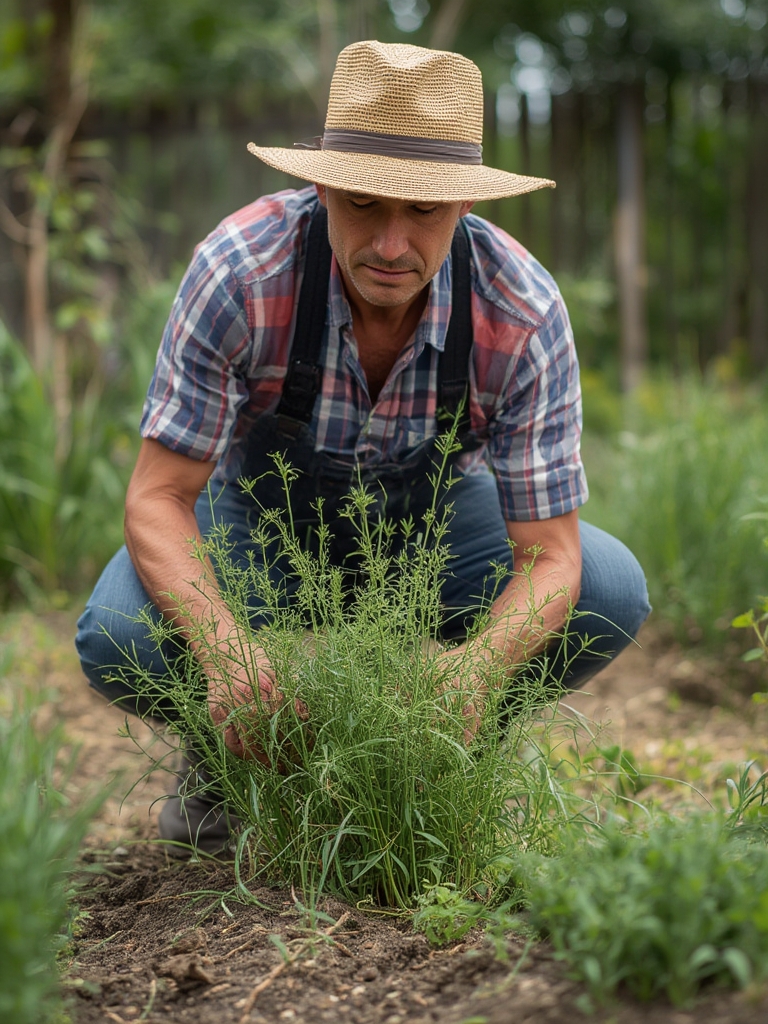
Choose the right location: Select a spot receiving 6-8 hours of sunlight with some afternoon shade in hot climates. Ensure good air circulation around plants.
Prepare the soil: Create a well-draining growing medium by incorporating sand and compost into garden soil. Tarragon prefers slightly alkaline soil (pH 6.5-7.5).
Plant properly: Space plants 18-24 inches apart. Plant at the same depth as they were in their nursery containers, being careful not to disturb roots.
Water appropriately: Keep soil consistently moist but never soggy during establishment. Once established, allow soil to dry between waterings—tarragon prefers slightly dry conditions.
Harvest correctly: Begin harvesting once plants reach 6 inches tall. Cut stems 2-3 inches above soil level to encourage bushier growth. Morning harvests yield the strongest flavor.
Nutritional Benefits
Tarragon offers impressive health advantages beyond culinary uses. This herb contains potassium, iron, and manganese while being rich in antioxidants. Traditional medicine values tarragon for its ability to aid digestion, reduce inflammation, and regulate sleep patterns. Growing it organically at home ensures you receive maximum nutritional benefits without pesticide exposure.
Tips and Alternative Methods
For container growing, select deep pots that accommodate tarragon’s extensive root system. Bring potted tarragon indoors during winter in cold regions (zones 3-4). For indoor cultivation, supplement with grow lights providing 14-16 hours of light daily.
Consider companion planting tarragon with eggplants and peppers—it naturally deters many garden pests while enhancing their growth. For continuous harvests, grow multiple plants and rotate your harvesting schedule.
Common Mistakes to Avoid
- Overwatering: Excess moisture causes root rot and dilutes flavor. Solution: Allow soil to dry between waterings.
- Overcrowding: Insufficient spacing reduces air circulation, inviting diseases. Solution: Maintain 18-24 inches between plants.
- Poor drainage: Waterlogged soil leads to yellowing leaves and root diseases. Solution: Add sand or perlite to improve drainage.
- Overfertilizing: Excessive nutrients diminish essential oils and flavor. Solution: Fertilize minimally, once in spring with diluted organic options.
Storage and Maintenance
Prune tarragon regularly to prevent flowering, which diminishes flavor. Divide plants every 3-4 years in spring to reinvigorate growth. For winter storage, dry sprigs by hanging upside down in a dark, well-ventilated area, then store in airtight containers. Alternatively, freeze chopped leaves in olive oil using ice cube trays for convenient cooking portions.
Conclusion
Growing tarragon at home connects you with this celebrated culinary herb while ensuring superior flavor unavailable in store-bought versions. With minimal effort and the right conditions, you’ll enjoy this gourmet herb year-round. Start your tarragon adventure today and experience the difference fresh-picked herbs make in your cooking.
FAQs
Why won’t my tarragon produce seeds?
French tarragon, the culinary variety, is sterile and doesn’t produce viable seeds. Propagate through division or stem cuttings instead.
How can I distinguish French tarragon from Russian tarragon?
French tarragon has glossier leaves, more pronounced anise flavor, and grows less aggressively than its Russian counterpart, which has coarser leaves and milder flavor.
Will tarragon survive winter in my garden?
In zones 5-10, tarragon typically survives winter with mulch protection. In colder regions, grow in containers and bring indoors or heavily mulch outdoor plants.
How do I revive a woody, less flavorful tarragon plant?
Aggressively prune back woody stems in early spring and divide the plant to stimulate fresh growth with renewed flavor.