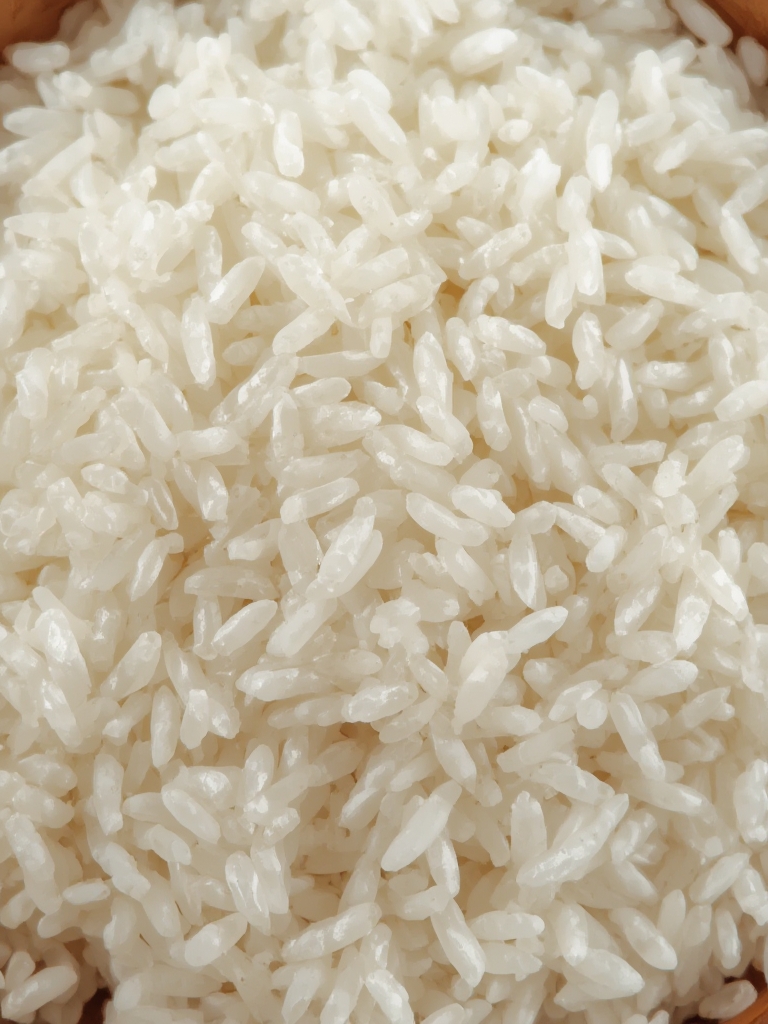

Have you ever wondered if you could grow your own jasmine rice right in your backyard? That distinctive floral aroma and delicate flavor of jasmine rice isn’t just reserved for commercial farms—it’s entirely possible to cultivate this prized grain in your home garden, especially if you live in a warm climate. Growing jasmine rice at home not only provides you with fresh, chemical-free grains but also connects you to ancient agricultural traditions that have sustained cultures for thousands of years. With proper planning and care, your homegrown jasmine rice can be both a rewarding hobby and a sustainable food source.
Table of Contents
Materials & Supplies
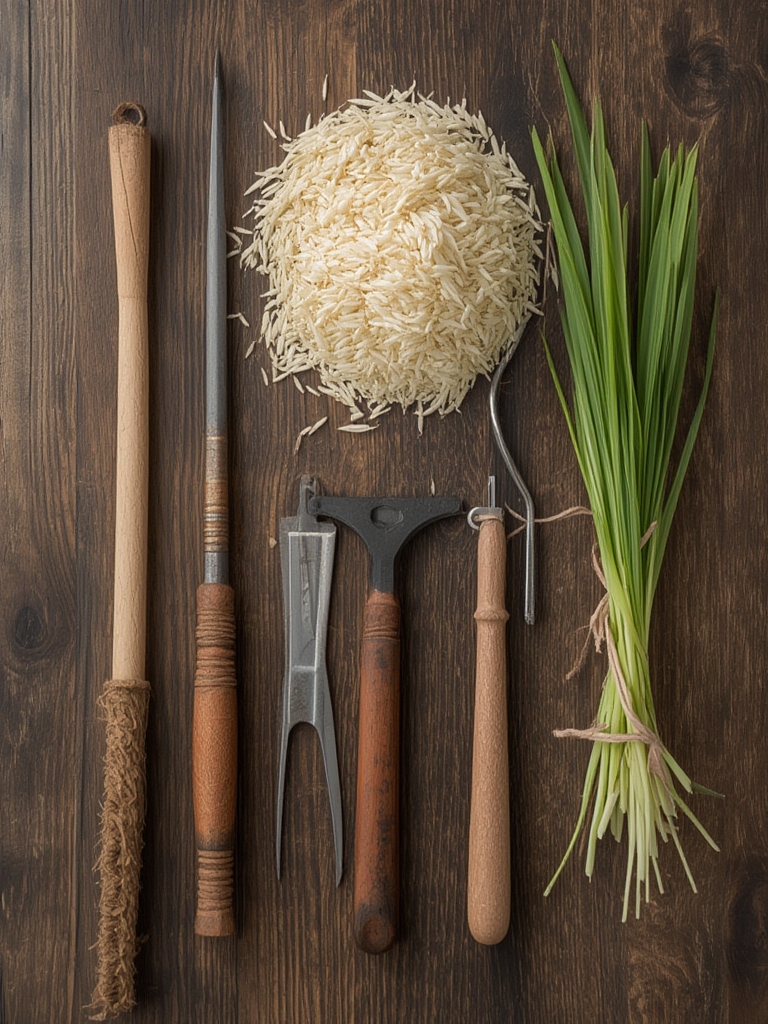
To successfully grow jasmine rice, you’ll need:
- Jasmine rice seeds: Unhusked, unprocessed rice grains (available from specialty seed suppliers or Asian grocery stores)
- Growing containers: Large, wide containers at least 6 inches deep with drainage holes
- Growing medium: Rich, loamy soil with good water retention properties
- Fertilizer: Nitrogen-rich organic fertilizer
- Water source: Access to clean water for flooding the rice
- Garden tools: Trowel, watering can, and small rake
- Mulch: Rice straw or other organic mulch to retain moisture
- pH testing kit: To ensure soil pH is between 6.0-7.0
- Netting (optional): To protect from birds during grain development
Timing / Growing Schedule
Jasmine rice requires a long, warm growing season of approximately 120 days from planting to harvest. Plan to start your rice in early spring after all danger of frost has passed, when temperatures consistently stay above 70°F (21°C). Rice seedlings establish in about 3-4 weeks, followed by 3-4 months of growth before harvest in late summer or early fall. This timing is similar to growing sweet corn but requires a longer maturation period and more consistent moisture.
Step-by-Step Instructions
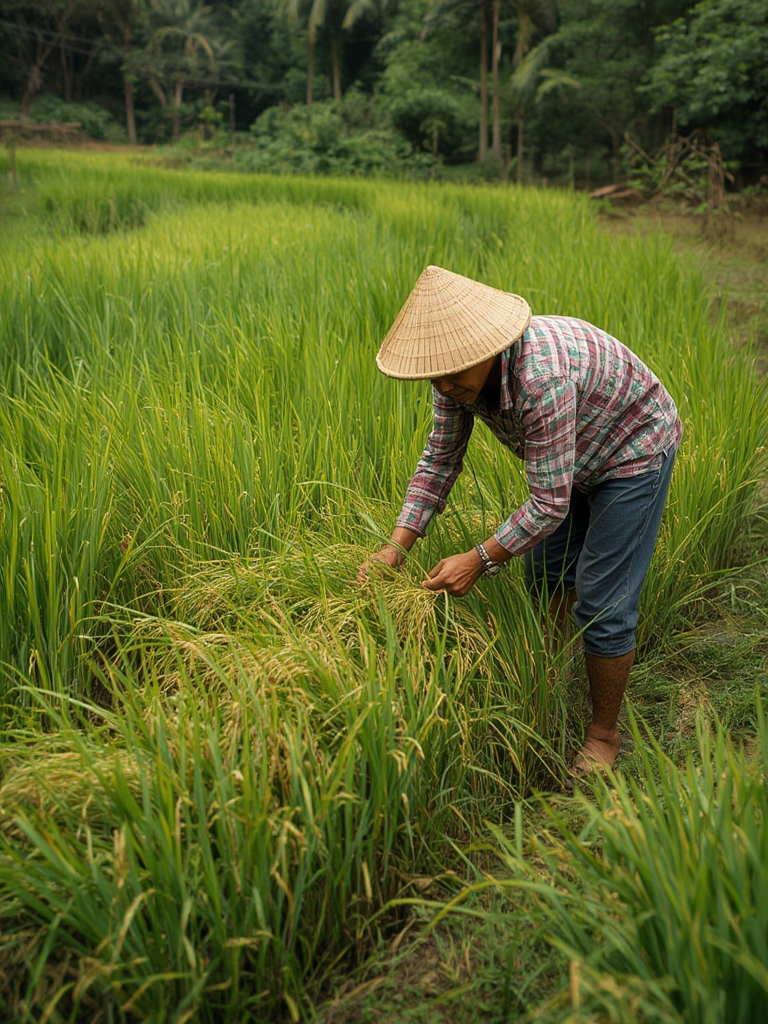
Prepare the seeds: Soak unhusked jasmine rice seeds in water for 24-36 hours until they begin to sprout. Change water every 12 hours to prevent fermentation.
Prepare growing containers: Fill your containers with rich soil, leaving about 2 inches from the top. Create a paddy-like environment by ensuring the containers can hold 1-2 inches of standing water.
Plant the seeds: Scatter pre-soaked seeds evenly across the soil surface, aiming for about 6-8 seeds per square inch. Gently press into the soil without fully burying them.
Maintain water levels: Keep 1-2 inches of water above the soil surface at all times during the growing phase. In warmer climates, check water levels twice daily as evaporation can happen quickly.
Fertilize appropriately: Add a light application of nitrogen-rich fertilizer when plants reach 6 inches tall, and again when they begin to flower.
Monitor and protect: Watch for signs of pests or nutrient deficiencies. Maintain consistent water levels and protect developing grain heads from birds with netting.
Harvest: When rice stalks turn golden-brown and bend with the weight of grain (approximately 120 days after planting), drain the water and allow soil to dry for 1-2 weeks before harvesting.
Nutritional Benefits
Home-grown jasmine rice offers numerous advantages over store-bought varieties. Fresh jasmine rice contains more natural nutrients before processing, including B vitamins, iron, and fiber. Growing your own ensures no exposure to pesticides or preservatives. Additionally, freshly harvested rice has optimal aromatic compounds that provide that signature jasmine fragrance that commercial varieties often lose during extended storage.
Tips and Alternative Methods
For container gardening, consider growing in wide, shallow tubs on a sunny patio. In cooler climates, start seeds indoors 4-6 weeks before the last frost and use black containers to increase soil temperature. For organic methods, introduce beneficial insects like dragonflies to control mosquitoes that may breed in the standing water. Consider companion planting with azolla, a floating fern that fixes nitrogen and reduces weed growth.
Common Mistakes to Avoid
- Letting water levels drop: Rice needs consistent flooding; even short dry periods can drastically reduce yields.
- Overcrowding plants: Thin seedlings if they become too dense, as crowded plants compete for nutrients.
- Incorrect pH levels: Rice prefers slightly acidic to neutral soil; test and adjust accordingly.
- Harvesting too early: Wait until grains are fully mature and golden before harvesting.
- Inadequate sunshine: Jasmine rice requires full sun (at least 6-8 hours daily).
Storage and Maintenance Tips
After harvesting, dry rice stalks in a warm, dry place for 2-3 weeks. Once fully dried, thresh the grains by beating the stalks against a hard surface or rubbing between your hands. Remove the husks through winnowing (tossing grains in the air on a breezy day) or using a small fan. Store unprocessed rice in airtight containers in a cool, dry place for up to a year. For the next growing season, save some unprocessed grains as seeds.
Conclusion
Growing jasmine rice at home in warm climates connects you with one of humanity’s most important culinary traditions while providing nutritious, aromatic grains for your table. Though it requires attention to detail and patience, the reward of harvesting your own rice brings incomparable satisfaction. Start small, perhaps with just a container or two, and expand as you gain confidence in your rice-growing skills.
FAQs
How much rice can I expect from a container garden?
A 2×2 foot container can yield approximately 1-2 pounds of unprocessed rice.
Can jasmine rice be grown indoors?
Yes, with sufficient light (14+ hours of grow lights daily) and consistent temperatures above 70°F.
Do I need special equipment to process homegrown rice?
Not necessarily. Small harvests can be processed by hand using simple methods like sun-drying and manual husking.
Is jasmine rice more difficult to grow than other rice varieties?
Jasmine rice requires slightly warmer temperatures than some varieties but follows the same basic growing principles as other rice types.
How do I prevent mosquitoes when growing rice?
Add a few small fish to your rice containers, change water regularly, or use mosquito dunks containing Bacillus thuringiensis.