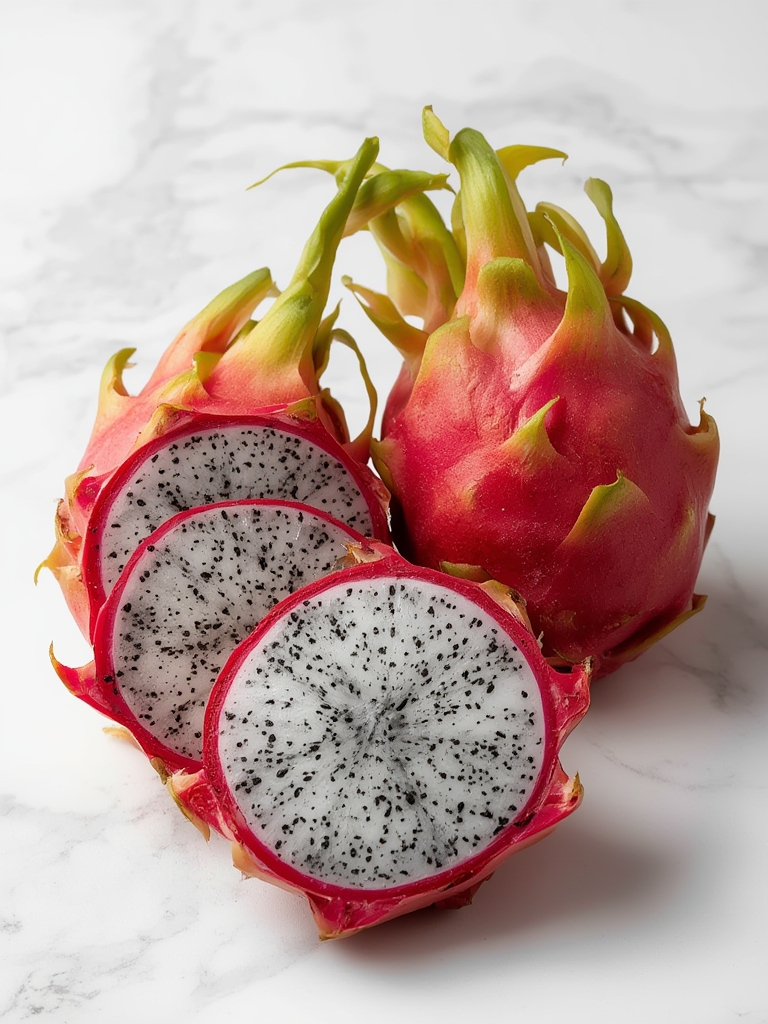

Have you ever marveled at the exotic appearance of dragon fruit in your local grocery store and wondered if you could grow this tropical treasure at home? Good news – you absolutely can! Dragon fruit (Pitaya) is not only a stunning addition to your garden but also remarkably adaptable to container growing. This cactus species, native to Central America, produces vibrant pink or yellow fruits with white or red flesh speckled with tiny black seeds. Growing dragon fruit in pots allows even apartment dwellers or those in cooler climates to enjoy this nutritious superfruit right from their patio or balcony.
Table of Contents
Materials & Supplies
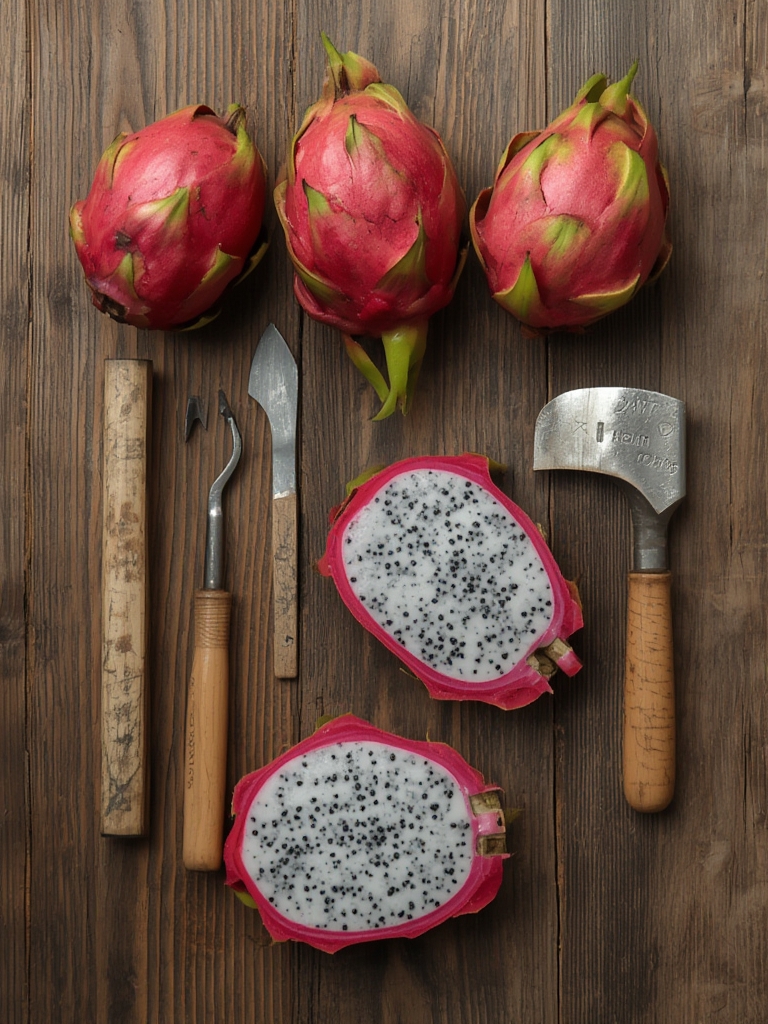
To start your dragon fruit growing journey, gather these essentials:
- Dragon fruit cutting or seedling: Cuttings establish faster than seeds and are widely available online or at specialty nurseries
- Large pot: Minimum 10-gallon container (20 inches diameter) with drainage holes
- Potting mix: Well-draining cactus soil or 60% regular potting soil mixed with 40% perlite/coarse sand
- Trellis or support structure: Dragon fruit is a climbing cactus that needs support (wooden stake, metal cage, or bamboo structure)
- Organic fertilizer: Low-nitrogen, high-phosphorus and potassium formulation
- Pruning shears: Clean, sharp tools for trimming and harvesting
- Watering can: For controlled watering
Timing / Growing Schedule
Dragon fruit thrives in warm conditions, so timing is crucial:
- Planting time: Early spring (after last frost) for optimal establishment
- Growth period: 1-2 years before first flowering occurs
- Fruiting cycle: From flower to harvest takes approximately 30-50 days
- Harvest season: Summer through early fall, with potential for multiple harvests annually in ideal conditions
- Maturity timeline: Expect your first substantial harvest 2-3 years after planting
Step-by-Step Instructions
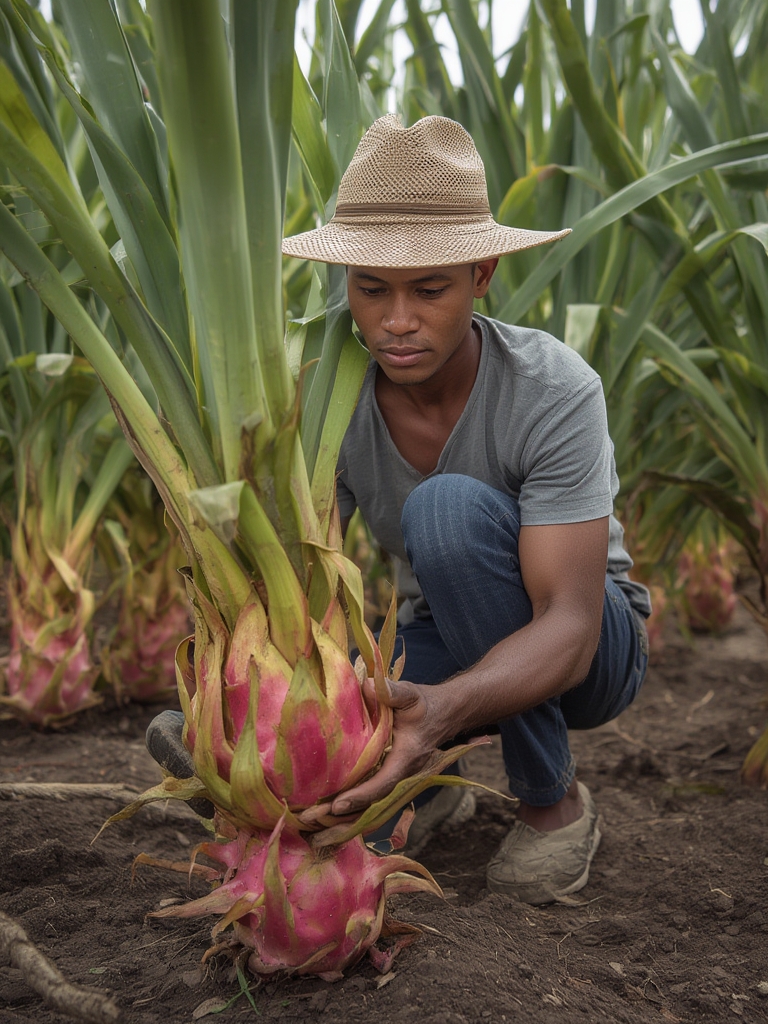
Prepare your container: Fill your pot with well-draining cactus soil mix, leaving 2 inches of space at the top.
Tip: Add a layer of gravel at the bottom for enhanced drainage.Install support structure: Place your trellis or support stake in the center of the pot before planting.
Tip: Choose a sturdy support that’s at least 5-6 feet tall to accommodate future growth.Plant your dragon fruit: For cuttings, allow the cut end to callus for 5-7 days, then plant 2-3 inches deep. For seedlings, transfer carefully without disturbing roots.
Tip: Position the cutting so new growth points toward the support structure.Watering regime: Water thoroughly after planting, then allow soil to dry completely between waterings.
Tip: Mist young plants rather than drenching to prevent root rot in early stages.Train climbing stems: Gently tie growing stems to your support structure using soft plant ties or garden twine.
Tip: Leave ties slightly loose to prevent damage as stems thicken.
Nutritional Benefits
Dragon fruit packs impressive nutritional value in its distinctive flesh:
- Rich in antioxidants, particularly vitamin C
- Contains beneficial fatty acids and several B vitamins
- Excellent source of magnesium, iron and fiber
- Low in calories (approximately 60 calories per 100g serving)
- Contains prebiotic fiber that promotes gut health
Tips and Alternative Methods
- Indoor growing: Place near south-facing windows with at least 6 hours of sunlight daily
- Pollination: Hand-pollinate night-blooming flowers using a small brush for better fruit set
- Container mobility: Use a plant dolly under large containers to move plants seasonally
- Companion planting: Grow shallow-rooted herbs like thyme or oregano in the same container
- Climate adaptation: In cooler regions, bring containers indoors when temperatures drop below 40°F (4°C)
Common Mistakes to Avoid
- Overwatering: Dragon fruit is a cactus that prefers dry conditions between watering
- Insufficient support: Without proper trellising, plants will sprawl and may break
- Poor drainage: Soggy soil leads to root rot and plant failure
- Incorrect pruning: Never remove all growing tips; maintain some for future growth
- Inadequate sunlight: Less than 6 hours of direct sun results in poor flowering and fruiting
Storage / Maintenance Tips
- Watering: Water only when soil is completely dry, increasing slightly during flowering/fruiting
- Fertilizing: Apply cactus fertilizer monthly during growing season (spring through fall)
- Pruning: Trim excessive growth in late winter, removing damaged sections and thinning congested areas
- Winter care: Reduce watering significantly during dormant winter months
- Harvesting: Pick fruits when color is fully developed and fruit yields slightly to gentle pressure
Conclusion
Growing dragon fruit in containers brings the exotic into the everyday, offering both visual appeal and nutritious harvests. With the right preparation, patience, and care, you can enjoy this tropical delight regardless of your climate or garden space. The dramatic flowers and striking fruits make dragon fruit a rewarding addition to any container garden. Start your dragon fruit growing adventure today and experience the satisfaction of harvesting this superfood from your own home.
FAQs
How long does it take for dragon fruit to bear fruit after planting?
Most dragon fruit plants begin producing fruit 1-2 years after planting, with mature harvests typically starting in year 3.
Can dragon fruit grow in cold climates?
Yes, when grown in containers that can be moved indoors during cold weather. Dragon fruit requires protection when temperatures drop below 40°F (4°C).
How often should I water my potted dragon fruit plant?
Allow the soil to dry completely between waterings, which typically means watering every 7-14 days depending on climate and container size.
Why is my dragon fruit plant flowering but not producing fruit?
This often indicates pollination issues. Try hand-pollinating the night-blooming flowers with a small paintbrush, transferring pollen between flowers.
How do I know when dragon fruit is ready to harvest?
Harvest when the fruit has developed full color (bright pink or yellow) and yields slightly to gentle pressure, similar to a ripe avocado.