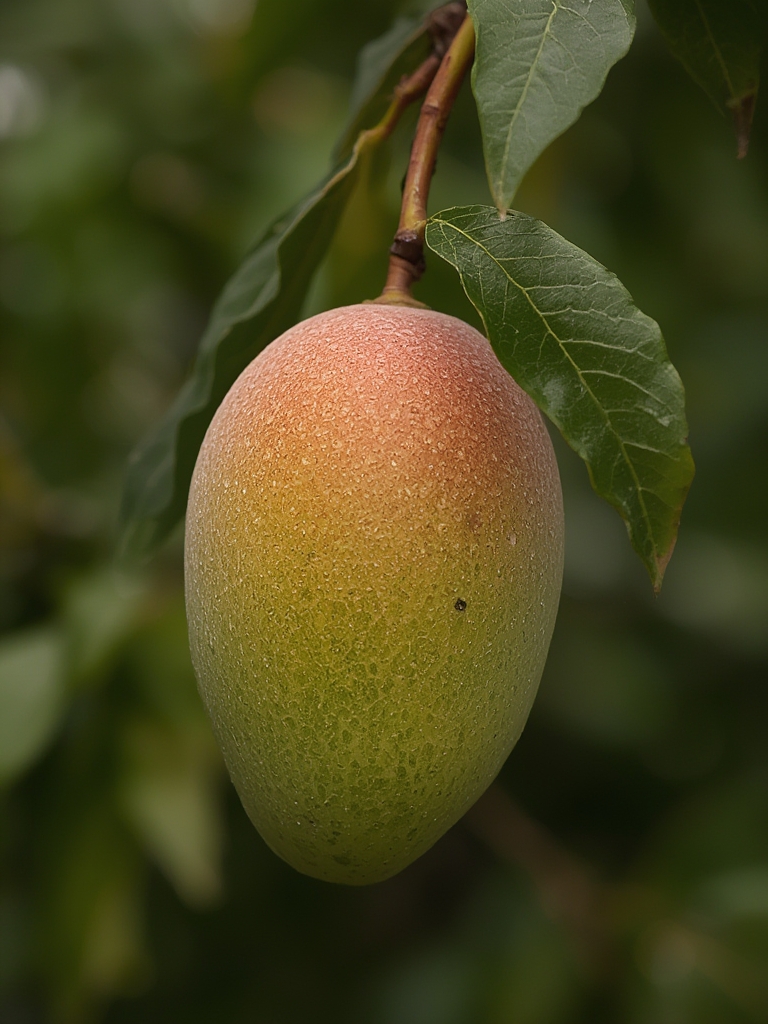

Have you ever tasted a perfectly ripe mango freshly picked from your own tree? There’s nothing quite like the sweet, tropical flavor of homegrown mangoes. Growing mango trees in your backyard isn’t just about enjoying premium fruit—it’s about connecting with nature, enhancing your landscape, and experiencing the satisfaction of nurturing a tree from seedling to fruit-bearing beauty. With the right techniques, you can accelerate your mango tree’s growth and enjoy this delicious fruit sooner than you might think. Let’s explore how to grow mango trees faster right in your own backyard.
Table of Contents
Materials & Supplies
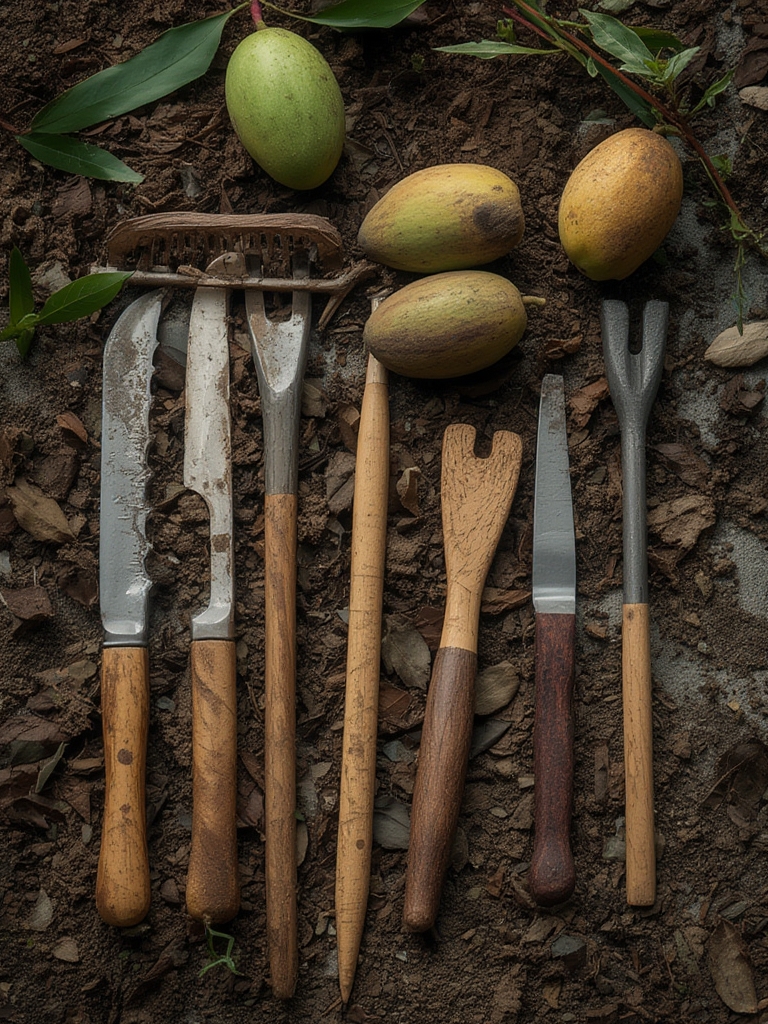
To successfully grow a thriving mango tree, gather these essential supplies:
- Mango seedling or grafted sapling: Grafted varieties produce fruit faster (2-3 years vs. 5-7 for seedlings)
- Well-draining potting soil: Mix garden soil with sand and compost (2:1:1 ratio)
- Large container (at least 20 gallons if container-growing)
- Organic fertilizer: Specifically formulated for fruit trees
- Slow-release nitrogen fertilizer: For growth boosting
- Watering can or irrigation system: For controlled watering
- Pruning shears: Clean and sharp for proper maintenance
- Organic mulch: Wood chips, straw, or coconut coir
- Plant stakes (optional): For supporting young trees
- Frost cloth (for cooler regions): To protect during temperature drops
Timing / Growing Schedule
Mango trees thrive best when planted in spring when temperatures consistently stay above 55°F (13°C). From planting to first fruit typically takes:
- Grafted trees: 2-3 years
- Seedlings: 5-7 years
However, with the accelerated techniques covered in this guide, you can potentially reduce this timeline by 1-2 years. A mature mango tree can produce fruit for 3-4 months annually, usually between May and September, depending on your climate zone.
Step-by-Step Instructions
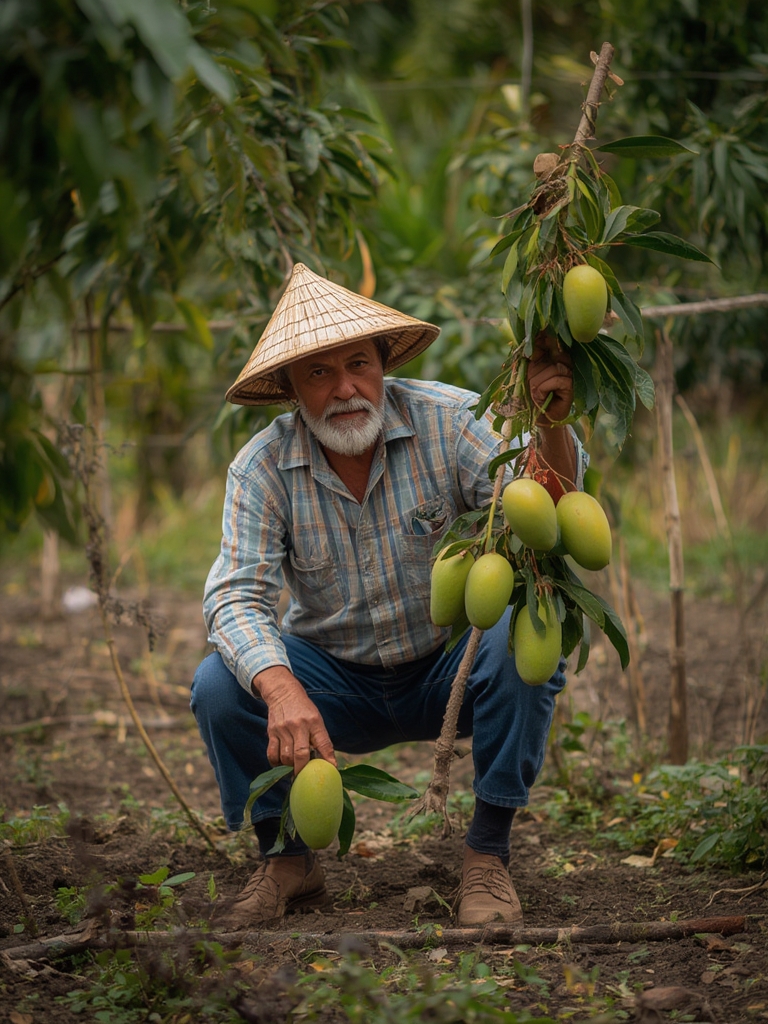
Select the right variety: Choose dwarf varieties like ‘Julie’ or ‘Irwin’ for faster fruiting, or climate-adapted varieties for your region.
Prepare the planting location: Choose a spot with full sun (at least 6-8 hours daily) and protection from strong winds. Ensure the location has at least 25-30 feet of clearance from structures and other trees.
Prepare the soil: Create a nutrient-rich, well-draining mix by incorporating compost and sand into your native soil. Mango trees hate wet feet!
Plant properly: Dig a hole twice as wide and just as deep as the root ball. Position the graft union a few inches above soil level to prevent rotting.
Watering routine: Water deeply but infrequently—about once weekly for established trees, more frequently for newly planted ones. Reduce watering in winter.
Fertilize strategically: Apply balanced fertilizer (like 10-10-10) three times yearly: early spring, early summer, and after harvesting. This accelerates growth significantly.
Apply growth boosters: Supplement with seaweed extract or fish emulsion monthly during growing season for faster development.
Nutritional Benefits / Advantages
Homegrown mangoes aren’t just delicious—they’re nutritional powerhouses containing:
- High levels of vitamins A, C, and E
- Important antioxidants like quercetin and beta-carotene
- Dietary fiber for digestive health
- No pesticides or chemicals (when grown organically)
Additionally, mango trees enhance property value, provide cooling shade, and create habitat for beneficial insects and birds.
Tips and Alternative Methods
- Container growing: Use fabric pots for better root development and mobility to avoid frost.
- Grafting practice: Learn to graft productive branches onto existing trees to diversify your harvest.
- Trellising young trees: Creates stronger trunks and better branch architecture.
- Companion planting: Grow nitrogen-fixing plants nearby to boost growth naturally.
- Climate adaptation: In cooler regions, plant against a south-facing wall for heat reflection.
Common Mistakes to Avoid
- Overwatering: More mango trees die from excessive water than drought. Allow soil to dry between waterings.
- Improper pruning: Never remove more than 25% of foliage at once; prune after fruiting, not before.
- Fertilizing young trees: Wait until new growth appears before fertilizing newly planted trees.
- Ignoring pH levels: Mangoes prefer slightly acidic soil (pH 5.5-7.5); test and adjust accordingly.
- Neglecting pest inspection: Check regularly for powdery mildew and anthracnose; treat promptly with organic solutions.
Storage / Maintenance Tips
Maintain your tree with seasonal care:
- Spring: Apply balanced fertilizer, check for pests as new growth emerges
- Summer: Water deeply during fruit development, thin excess fruit if necessary
- Fall: Reduce watering, apply mulch around (but not touching) the trunk
- Winter: Protect from frost in marginal climates, hold off on fertilizer
For harvested mangoes, store at room temperature until ripe, then refrigerate for up to 5 days.
Conclusion
Growing mango trees faster in your backyard is achievable with the right knowledge and care. By selecting appropriate varieties, optimizing soil conditions, and following strategic fertilization schedules, you can enjoy homegrown tropical fruit sooner than you might expect. The journey of nurturing a mango tree offers both delicious rewards and the satisfaction of sustainable gardening. Ready to transform your yard into a tropical paradise? Start your mango-growing adventure today!
FAQs
How long does it take for a mango tree to bear fruit?
Grafted mango trees typically produce fruit within 2-3 years, while trees grown from seed may take 5-7 years. Using growth-boosting techniques can potentially reduce this time.
Can mango trees grow in cold climates?
Mango trees are frost-sensitive and thrive in USDA zones 9b-11. In colder regions, grow them in containers and bring them indoors when temperatures drop below 40°F (4°C).
How often should I water my mango tree?
Established trees need deep watering once weekly during growing season, less during winter. Young trees require more frequent watering—every 2-3 days until established.
Why are the leaves on my mango tree turning brown?
Brown leaves often indicate salt burn from over-fertilization, sunburn, or fungal diseases. Check for proper drainage, adjust fertilizer application, and ensure adequate but not excessive watering.
Do I need two mango trees to get fruit?
No, most mango varieties are self-pollinating. A single tree can produce abundant fruit, though having multiple trees can sometimes improve yields through cross-pollination.