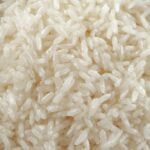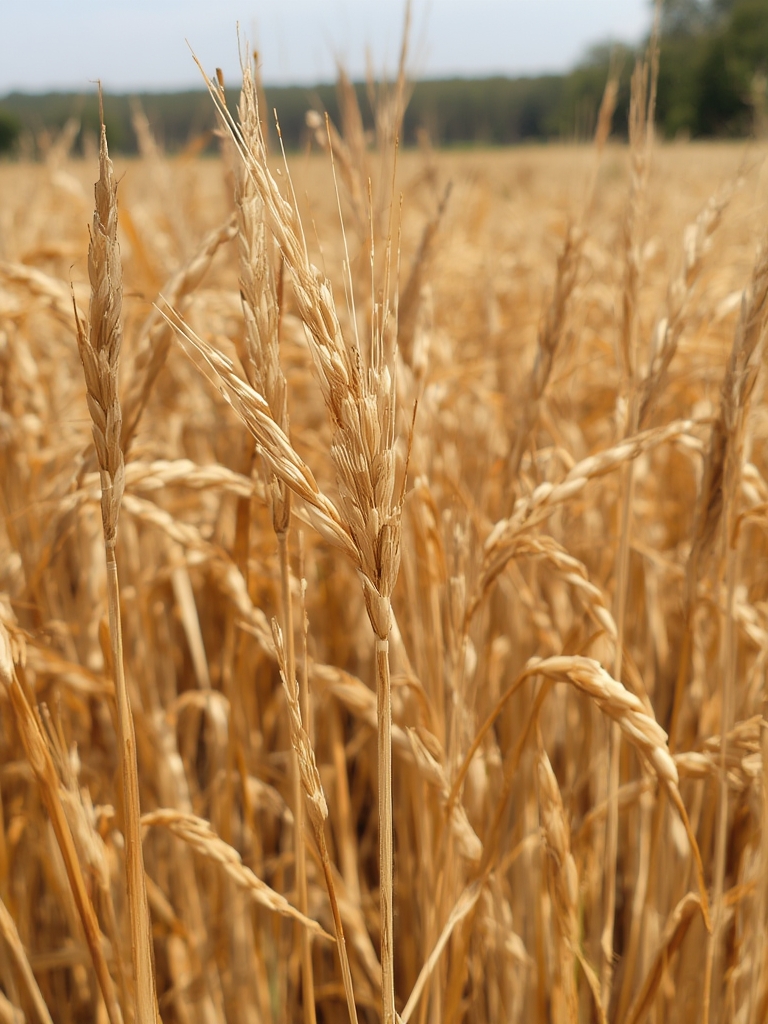

Have you ever considered growing your own wild rice at home? Despite its name, wild rice isn’t actually rice but an aquatic grass seed native to North America. Growing wild rice in your backyard garden can be a rewarding experience that connects you with indigenous agricultural traditions while providing a nutritious grain for your kitchen. Wild rice typically thrives in shallow, slow-moving water, but with some creativity and the right approach, backyard gardeners can successfully cultivate this unique crop in controlled environments.
Table of Contents
Materials & Supplies
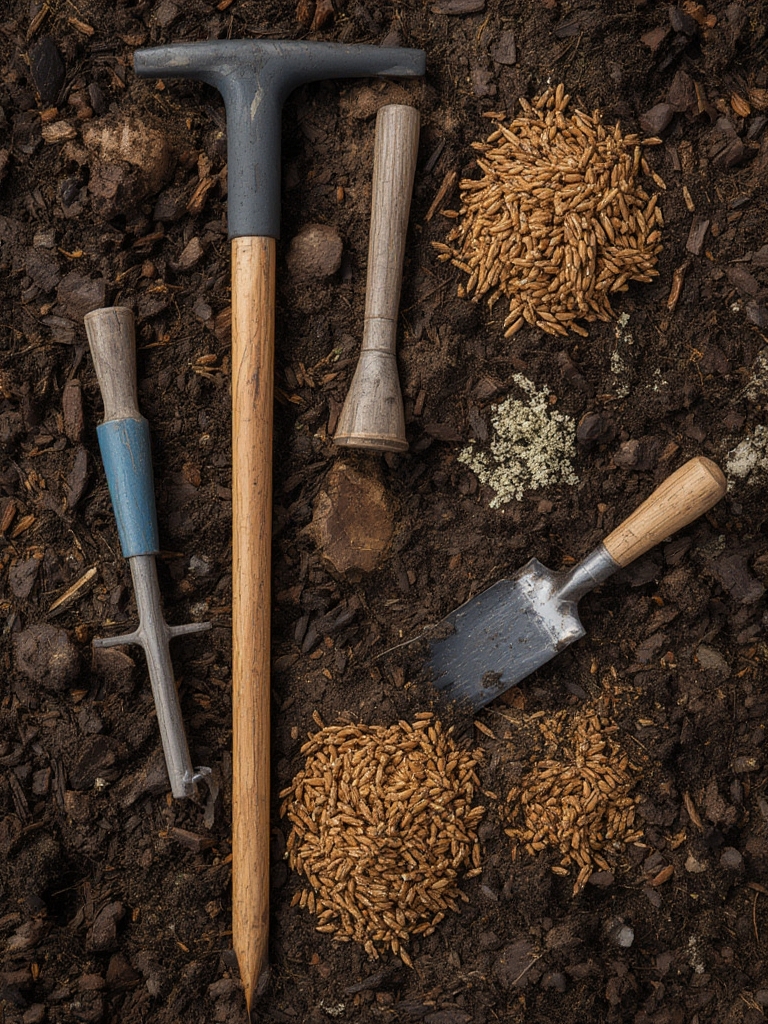
To successfully grow wild rice at home, you’ll need:
- Wild Rice Seeds: Purchase from specialty seed suppliers or native plant nurseries; look for viable, untreated seeds
- Growing Containers: Large plastic tubs, kiddie pools, or purpose-built garden ponds (minimum 12 inches deep)
- Clay-Loam Soil: A 2-3 inch layer for the bottom of your container
- Fresh Water Source: Access to clean, non-chlorinated water
- Garden Hose: For maintaining water levels
- pH Testing Kit: Wild rice prefers slightly acidic water (pH 6.0-7.0)
- Garden Netting: To protect seeds from birds during germination
- Garden Gloves: For handling soil and maintenance tasks
- Optional: Small recirculating pump to mimic slight water movement
Timing / Growing Schedule
Wild rice has a specific growing schedule that requires patience:
- Preparation: Early spring (March-April) for container setup
- Planting: Late spring (May-June) when water temperatures reach at least 50°F
- Growth Period: 3-4 months from planting to harvest
- Harvest Time: Late summer to early fall (August-September)
Unlike conventional rice that matures in about 120 days, wild rice needs 110-130 days to reach maturity, depending on your climate. Plan accordingly, especially if you live in northern regions with shorter growing seasons.
Step-by-Step Instructions
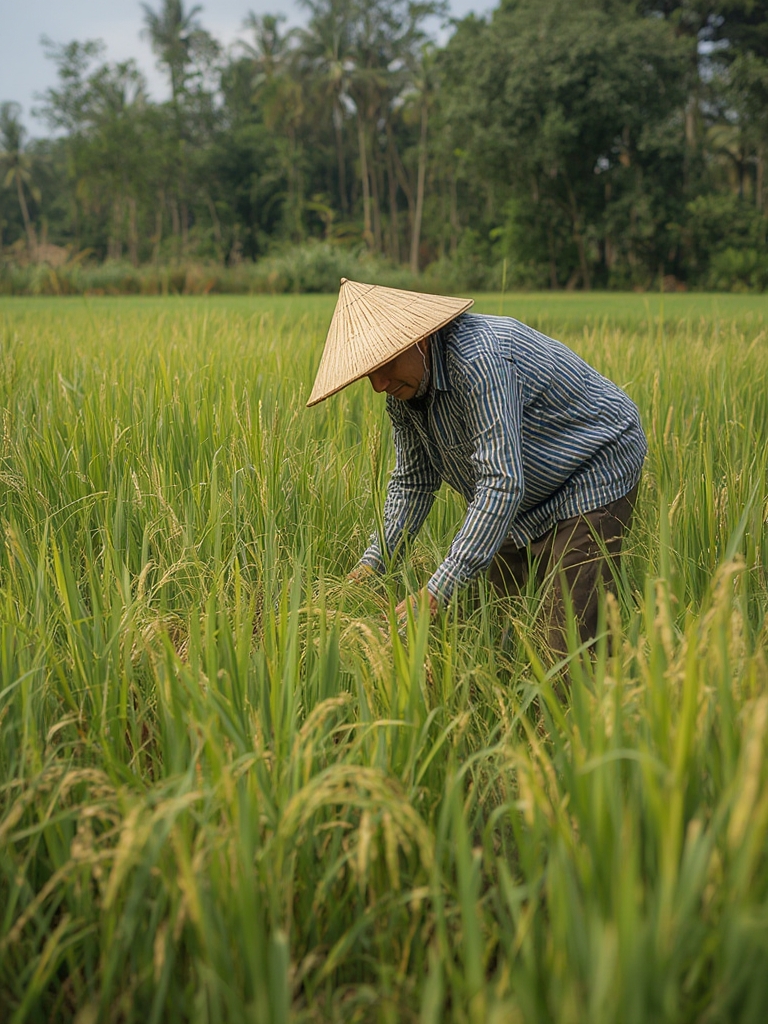
Prepare your container: Fill the bottom with 2-3 inches of clay-loam soil mix. Position your container in a spot that receives 6-8 hours of sunlight daily.
Fill with water: Add water until it reaches 6-8 inches above the soil layer. Allow chlorinated water to sit for 24 hours before adding seeds.
Soak the seeds: Pre-soak wild rice seeds for 24-48 hours in clean, cold water to stimulate germination.
Plant the seeds: Scatter pre-soaked seeds across the water surface at a rate of about 1/4 cup per square foot of surface area. They’ll naturally sink to the soil layer.
Maintain water depth: Keep water 6-8 inches deep throughout the growing season, topping up as needed during hot weather.
Monitor and protect: Cover with garden netting during early growth to prevent birds from eating the seeds and seedlings.
Watch for flowering: After about 60 days, plants will reach the water surface and eventually extend above it, developing flowers and then seeds.
Nutritional Benefits
Wild rice offers exceptional nutritional value compared to other grains:
- Higher in protein (14-15%) than brown rice
- Rich in B vitamins, including niacin and riboflavin
- Excellent source of minerals including manganese, zinc, and phosphorus
- Contains antioxidants that may help reduce oxidative stress
- Gluten-free, making it suitable for those with celiac disease
Tips and Alternative Methods
- Container adaptations: No large containers? Consider using multiple smaller containers grouped together.
- Indoor option: Wild rice can be started indoors in aquariums with grow lights before moving outdoors.
- Water conservation: Implement a recirculating system to reduce water consumption.
- Companion planting: Consider adding native aquatic plants like arrowhead or water lilies to create a balanced ecosystem.
- Climate adaptations: In very hot regions, provide afternoon shade to prevent water from overheating.
Common Mistakes to Avoid
- Using chlorinated water: Chlorine can inhibit germination; use collected rainwater or dechlorinated tap water.
- Insufficient water depth: Wild rice requires consistent water depth; too shallow and plants will wither.
- Overcrowding: Planting too densely reduces yield; thin seedlings if necessary.
- Harvesting too early: Wait until seeds turn dark brown/black for optimal nutrition and flavor.
- Neglecting pest control: Monitor for aquatic insect pests that may damage developing seed heads.
Storage / Maintenance Tips
- Watering: Maintain water level at 6-8 inches throughout the growing season.
- Fertilizing: Minimal fertilization is needed; if growth seems stunted, add a small amount of aquatic plant fertilizer.
- Harvesting: Collect seed heads when they begin to shatter slightly by bending them over a container and tapping.
- Drying: Air-dry harvested grains completely before storage to prevent mold.
- Storage: Store dried wild rice in airtight containers in a cool, dark place for up to two years.
Conclusion
Growing wild rice at home connects you with an ancient food tradition while providing a uniquely nutritious harvest. Though it requires specific conditions, the process is manageable for dedicated gardeners willing to create the right environment. Your backyard wild rice project not only yields delicious grains but also creates a beautiful water feature that attracts beneficial wildlife. Why not try this fascinating aquatic crop in your garden this season? Share your wild rice growing experiences in the comments below!
FAQs
Can wild rice be grown in containers on a patio or balcony?
Yes, wild rice can thrive in large containers like stock tanks or kiddie pools on patios, provided they receive adequate sunlight and maintain proper water depth.
How much wild rice can I expect to harvest from my backyard setup?
A 4×4 foot container can yield approximately 1-2 pounds of finished wild rice, depending on growing conditions and proper care.
Is wild rice difficult to process after harvesting?
Traditional processing involves parching, hulling, and winnowing, which can be labor-intensive. Home gardeners can simplify by using a food dehydrator and manually removing hulls.
Can I use pond water for my wild rice container?
Established pond water is excellent for wild rice cultivation as it contains beneficial microorganisms, though ensure it’s free from chemical treatments.