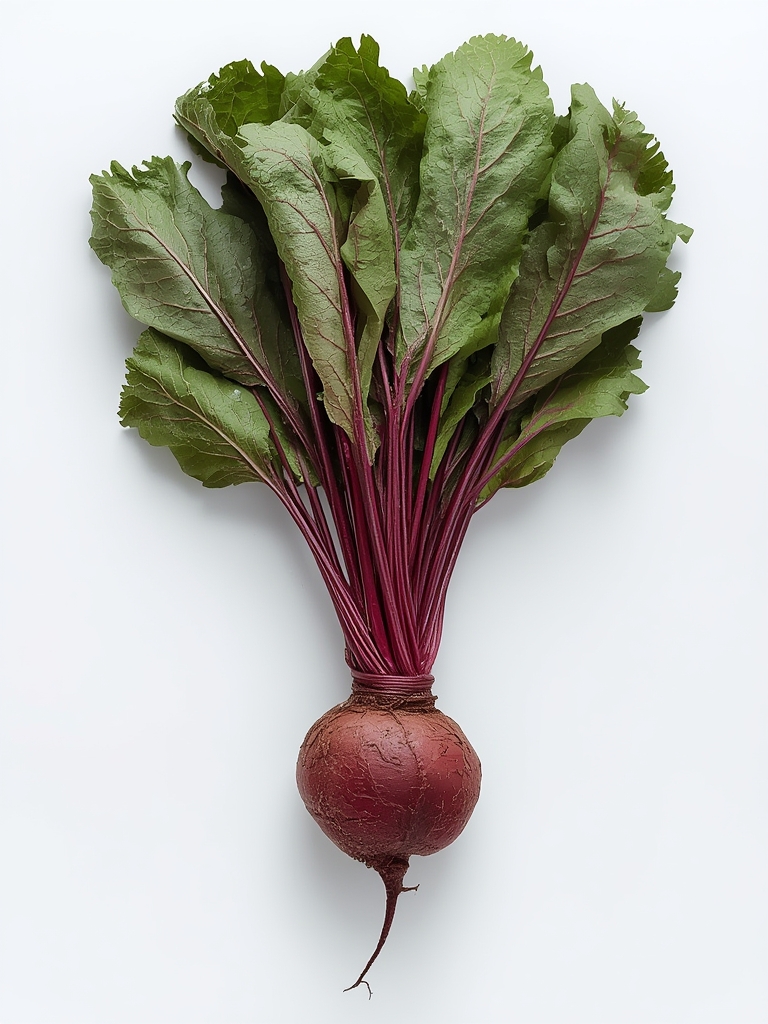

Ever wondered how to grow those vibrant, nutrient-packed beetroot in your own garden? Growing beetroot (also known as beets) at home is not only rewarding but surprisingly straightforward. With their striking ruby color and impressive nutritional profile, homegrown beetroot delivers flavor that store-bought versions simply can’t match. Whether you’re a seasoned gardener or complete novice, this guide will walk you through everything you need to know about growing beetroot from seed to harvest, ensuring you’ll enjoy these versatile root vegetables straight from your garden.
Table of Contents
Materials & Supplies
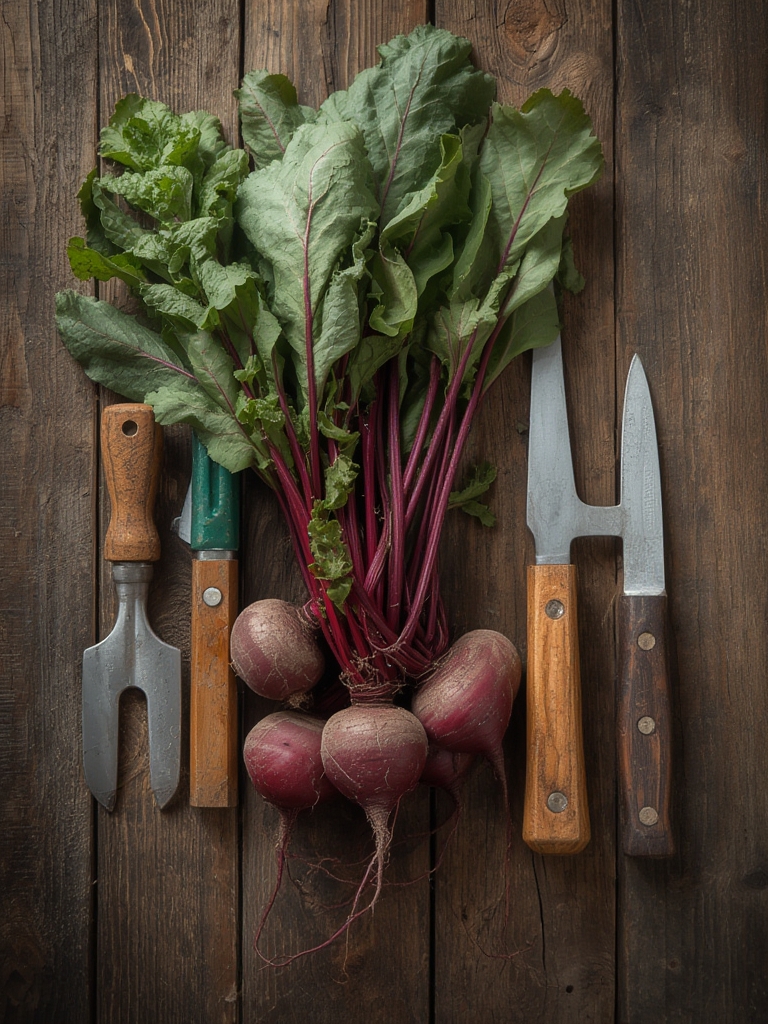
To successfully grow beetroot, you’ll need:
- Beetroot seeds: Choose varieties like ‘Detroit Dark Red’ for traditional beets or ‘Golden’ for milder flavor
- Soil: Well-draining, fertile soil with pH 6.0-7.5
- Containers or garden bed: At least 6-8 inches deep
- Compost or organic matter: To enrich soil
- Garden tools: Trowel, rake, watering can with rose attachment
- Plant markers: To identify different varieties
- Organic fertilizer: Low nitrogen, higher phosphorus and potassium
- Row covers (optional): For early season protection
- Mulch: Straw or leaf mulch to maintain moisture
Timing / Growing Schedule
Beetroot is a cool-season crop that performs best when temperatures range between 50-75°F (10-24°C). For spring planting, sow seeds 2-4 weeks before the last frost date. For fall crops, plant 6-8 weeks before the first expected frost.
From sowing to harvest, beetroot typically takes 50-70 days, depending on variety and growing conditions. You can succession plant every 3 weeks for continuous harvests. Baby beets can be harvested in as little as 35 days, while mature roots take the full growing period.
Step-by-Step Instructions
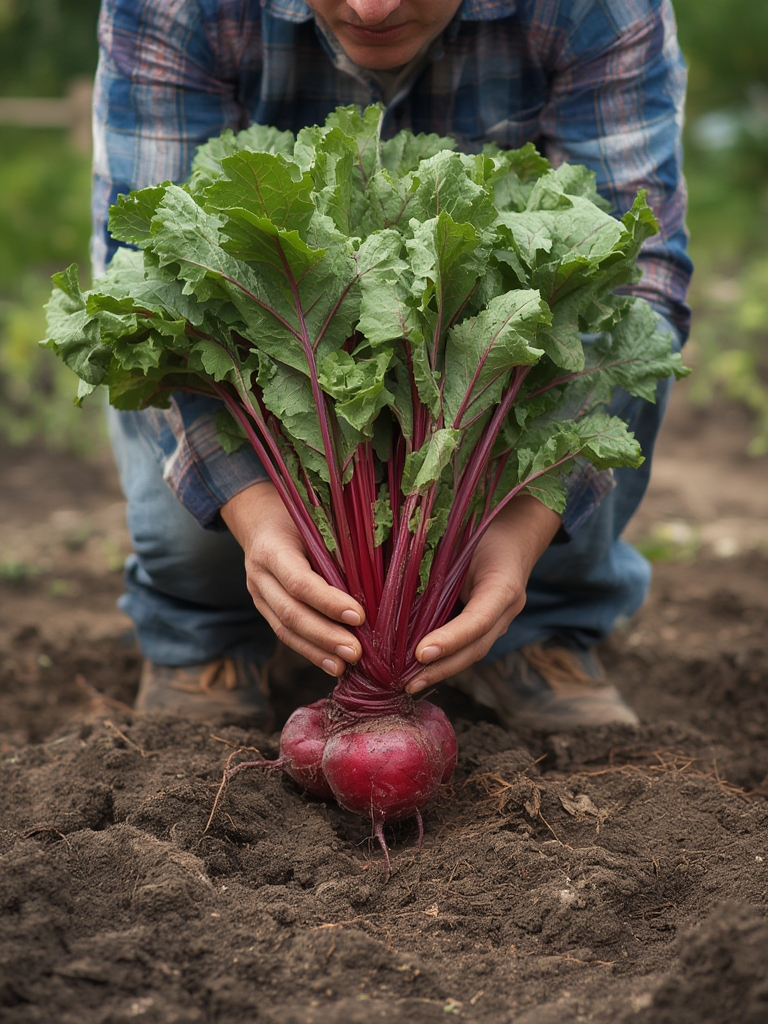
Prepare the soil: Work in compost to create loose, fertile soil free from stones. Beetroot thrives in well-drained, neutral to slightly alkaline soil.
Sow seeds: Plant seeds 1/2 inch deep and 1 inch apart in rows spaced 12-18 inches apart. Pro tip: Soak seeds overnight to improve germination rates.
Water gently: Keep soil consistently moist but not waterlogged. Use a watering can with a rose attachment to avoid disturbing seeds.
Thin seedlings: When plants reach 2 inches tall, thin to 3-4 inches apart. Don’t discard the thinnings—young beetroot leaves make excellent salad greens!
Provide consistent moisture: Beetroot needs regular watering, especially during dry spells. Inconsistent watering causes woody, less flavorful roots.
Fertilize lightly: Apply balanced organic fertilizer once plants are established. Avoid high-nitrogen fertilizers which promote leaf growth at the expense of root development.
Nutritional Benefits
Homegrown beetroot offers impressive health benefits, including:
- Rich source of folate, manganese, and potassium
- High in nitrates that may help lower blood pressure
- Contains betalains, powerful antioxidants with anti-inflammatory properties
- Both roots and leaves are edible and nutritious
- Excellent source of fiber for digestive health
Tips and Alternative Methods
- Container growing: Choose containers at least 8 inches deep and wide for healthy root development.
- Companion planting: Grow alongside onions, lettuce, or cabbage, but keep away from pole beans.
- Raised beds: Ideal for beetroot as they warm more quickly in spring and provide excellent drainage.
- Succession planting: Sow small batches every 2-3 weeks for continuous harvests throughout the season.
- Winter growing: In mild climates, grow under row covers for extended season harvests.
Common Mistakes to Avoid
- Overcrowding: Failure to thin seedlings leads to small, deformed roots.
- Inconsistent watering: Causes splitting, cracking, and woody texture.
- Heavy nitrogen fertilization: Results in lush tops but poor root development.
- Planting too deep: Seeds should be only 1/2 inch deep for proper germination.
- Harvesting too late: Oversized beets become tough and woody.
Storage / Maintenance Tips
After harvesting, trim tops to 1-2 inches (but don’t cut into the root). Store unwashed beetroot in damp sand in a cool cellar or refrigerator for up to 3 months. For longer storage, pickle, can, or freeze cooked beetroot.
For ongoing care, maintain consistent soil moisture, apply light mulch to conserve water and suppress weeds, and monitor for pests like leaf miners or aphids.
Conclusion
Growing beetroot at home rewards you with vibrant, flavorful roots that outshine anything from the grocery store. With minimal space requirements and fairly straightforward needs, beetroot is an excellent choice for gardeners of all experience levels. Start with these guidelines, adapt to your specific growing conditions, and you’ll soon be enjoying these nutritional powerhouses straight from garden to table.
FAQs
How often should I water my beetroot plants?
Water consistently to maintain even soil moisture, typically 1-1.5 inches per week depending on weather conditions and soil type.
Can I grow beetroot in partial shade?
Yes, though they prefer full sun. In partial shade, beetroot will grow but may take longer to mature and produce smaller roots.
Why are my beetroot leaves turning yellow?
Yellowing leaves usually indicate nutrient deficiency, particularly nitrogen, or inconsistent watering. Apply balanced organic fertilizer and maintain even soil moisture.
When is the best time to harvest beetroot?
Harvest when roots reach 1.5-3 inches in diameter for optimal flavor and texture. For baby beets, harvest at 1-1.5 inches.
Can the entire beetroot plant be eaten?
Yes! The roots are the main attraction, but the leaves are also edible and highly nutritious, similar to Swiss chard. Use young leaves in salads and mature ones cooked like spinach.