
Have you ever dreamed of stepping into your garden to pluck fresh bay leaves for your homemade soups and stews? Growing your own bay laurel (Laurus nobilis) transforms ordinary cooking into extraordinary culinary experiences while adding an elegant, evergreen presence to your home or garden. This Mediterranean native isn’t just beautiful with its glossy, aromatic leaves—it’s also surprisingly adaptable and can thrive for decades with proper care. Whether you’re an experienced gardener or a curious beginner, these comprehensive tips will help you successfully grow bay laurel that will serve your kitchen for years to come.
Table of Contents
Materials & Supplies

To successfully grow bay laurel, you’ll need:
- Bay laurel seedling or young plant: Starting from established plants is easier than seeds, which can take months to germinate
- Potting container: A 12-16 inch diameter pot with excellent drainage holes
- Potting mix: Use well-draining soil with a mix of regular potting soil, perlite, and compost (ratio 2:1:1)
- Watering can: For controlled watering
- Pruning shears: Clean, sharp pruners for shaping and harvesting
- Liquid fertilizer: Balanced, slow-release fertilizer (10-10-10)
- Spray bottle: For misting leaves in dry conditions
- Plant stakes: Optional support for young plants
- Horticultural oil: For pest management
- pH testing kit: To monitor soil conditions (bay laurel prefers slightly acidic to neutral soil)
Timing / Growing Schedule
Bay laurel is a slow-growing plant that rewards patience. Initial establishment takes 3-6 months, during which growth may seem minimal. Expect:
- Establishment phase: 3-6 months for the plant to acclimate
- Growth rate: 6-12 inches per year under optimal conditions
- Maturity timeline: 2-3 years before regular harvesting should begin
- Harvest season: Year-round, but best flavor develops in summer
- Lifespan: With proper care, bay laurel can live 50+ years in containers and even longer in ground plantings
This timeline is considerably longer than herbs like basil or cilantro, but the long-term rewards make it worthwhile.
Step-by-Step Instructions
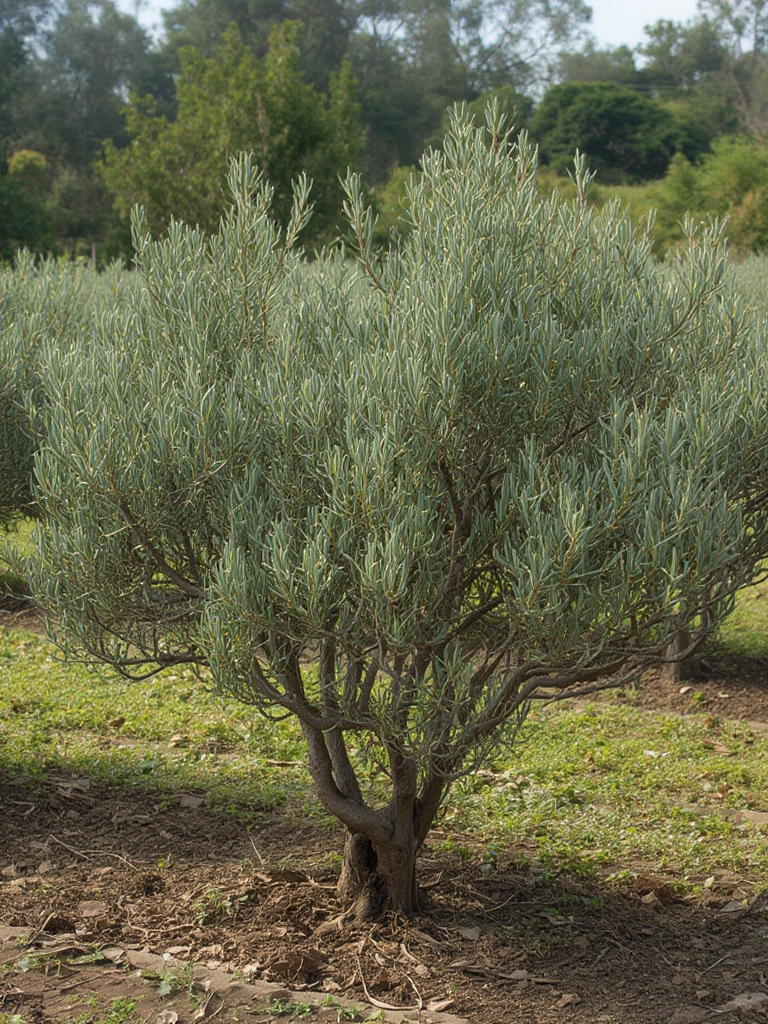
Select the right location: Choose a spot with partial to full sun (at least 6 hours daily). In hot climates, provide afternoon shade.
Pro tip: Southern or western exposure works best in most regions.Prepare your container: Fill your pot with the soil mixture, leaving 2 inches from the top. Ensure the drainage holes are unobstructed.
Pro tip: Add a layer of small stones at the bottom to improve drainage.Plant your bay laurel: Dig a hole twice the width of the root ball. Place the plant, backfill with soil, and firm gently around the base.
Pro tip: Keep the soil line at the same level as it was in the nursery pot.Watering routine: Water thoroughly until it drains from the bottom, then allow the top inch of soil to dry before watering again.
Pro tip: Bay laurel prefers to dry slightly between waterings; overwatering is the most common cause of failure.Fertilizing schedule: Apply diluted liquid fertilizer every 4-6 weeks during spring and summer, none during winter.
Pro tip: Reduce feeding by half if growing indoors.Pruning for shape: In early spring, prune to maintain desired shape, removing no more than 1/4 of the plant at once.
Pro tip: Save pruned branches to dry the leaves for cooking.
Nutritional Benefits
Bay leaves offer impressive health advantages beyond flavor:
- Rich in vitamins A and C
- Contains calcium, iron, potassium, and magnesium
- Natural source of antioxidants
- Traditional remedy for digestive issues
- Contains eugenol, which has anti-inflammatory properties
- Essential oils in the leaves have antimicrobial effects
Tips and Alternative Methods
- Container vs. ground planting: In zones 8-10, plant directly in the ground; elsewhere, use containers that can be moved indoors for winter.
- Indoor growing: Place near south-facing windows but avoid hot, direct sun that can scorch leaves.
- Small-space solution: Train as a topiary or espalier against a wall.
- Climate adaptations: In humid areas, ensure excellent air circulation to prevent fungal issues.
- Companion planting: Grows well with rosemary and lavender, which share similar water requirements.
Common Mistakes to Avoid
- Overwatering: Allow soil to dry between waterings; yellowing leaves often indicate soggy roots.
- Insufficient drainage: Bay laurel hates wet feet; ensure proper drainage to prevent root rot.
- Inconsistent temperatures: Avoid placing near heating vents or in drafty locations.
- Overcrowding: Give plants room to grow; they can reach 6-8 feet tall in containers.
- Overharvesting: Never remove more than 1/3 of the leaves at once.
Storage / Maintenance Tips
- Harvesting: Pick leaves as needed, choosing mature, deep green leaves for best flavor.
- Drying: Hang small branches in a dry, well-ventilated area away from direct sunlight.
- Winter care: In cold regions, bring containers indoors before temperatures drop below 20°F (-6°C).
- Repotting: Every 2-3 years, repot in spring with fresh soil mix.
- Pest management: Inspect regularly for scale insects; treat with horticultural oil if needed.
- Pruning maintenance: Remove any damaged or crossing branches to maintain airflow.
Conclusion
Growing bay laurel offers incredible rewards for minimal effort once established. Its dual purpose as both culinary herb and ornamental evergreen makes it a valuable addition to any garden or home. The key to success lies in patience, proper watering, and protection from extreme conditions. Start with these guidelines, adjust to your specific climate, and you’ll enjoy fresh bay leaves for decades to come. Ready to enhance your cooking with homegrown flavor that surpasses anything store-bought?
FAQs
How often should I harvest bay leaves?
Bay leaves can be harvested year-round, but take no more than 1/3 of the leaves at once. Mature leaves (deep green and slightly leathery) offer the strongest flavor.
Why are the edges of my bay laurel leaves turning brown?
Brown edges typically indicate environmental stress—either too much direct sun, insufficient humidity, or salt buildup from fertilizer. Increase humidity by misting regularly and flush the soil occasionally with plain water.
Can I grow bay laurel from cuttings?
Yes, though they can be challenging to root. Take 4-6 inch semi-hardwood cuttings in late summer, remove lower leaves, dip in rooting hormone, and place in a well-draining medium. Maintain high humidity until rooted.
How can I tell if my bay laurel needs repotting?
Signs include roots circling the bottom or emerging from drainage holes, water running straight through without being absorbed, slowed growth, or the plant becoming top-heavy and unstable.
Is bay laurel toxic to pets?
While bay laurel leaves are safe for culinary use, they can cause digestive upset in cats and dogs if ingested. Keep plants out of reach of curious pets.