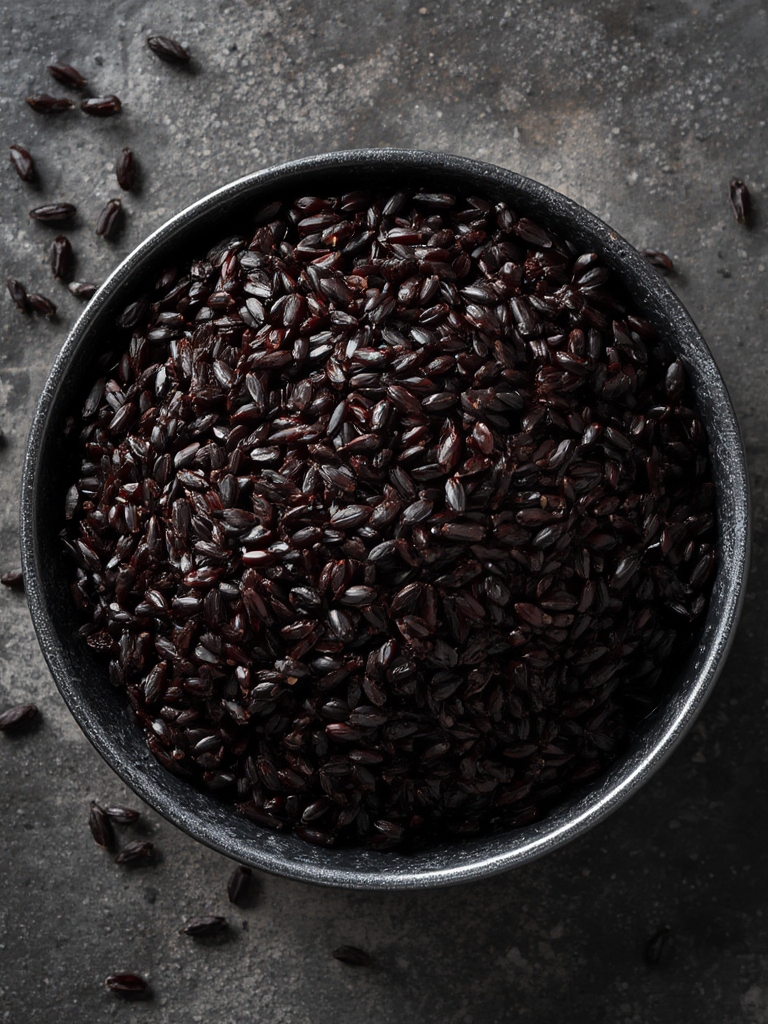

Have you ever wondered why black rice has gained the nickname “forbidden rice”? Once reserved exclusively for Chinese emperors, this nutritional powerhouse is now accessible to home gardeners everywhere. Growing black rice in your own backyard or even in containers offers a rewarding experience that connects you to ancient agricultural traditions while providing your family with one of nature’s most nutrient-dense grains. Unlike conventional rice varieties, black rice cultivation can be surprisingly straightforward with the right approach and understanding of its growth requirements.
Table of Contents
Materials & Supplies
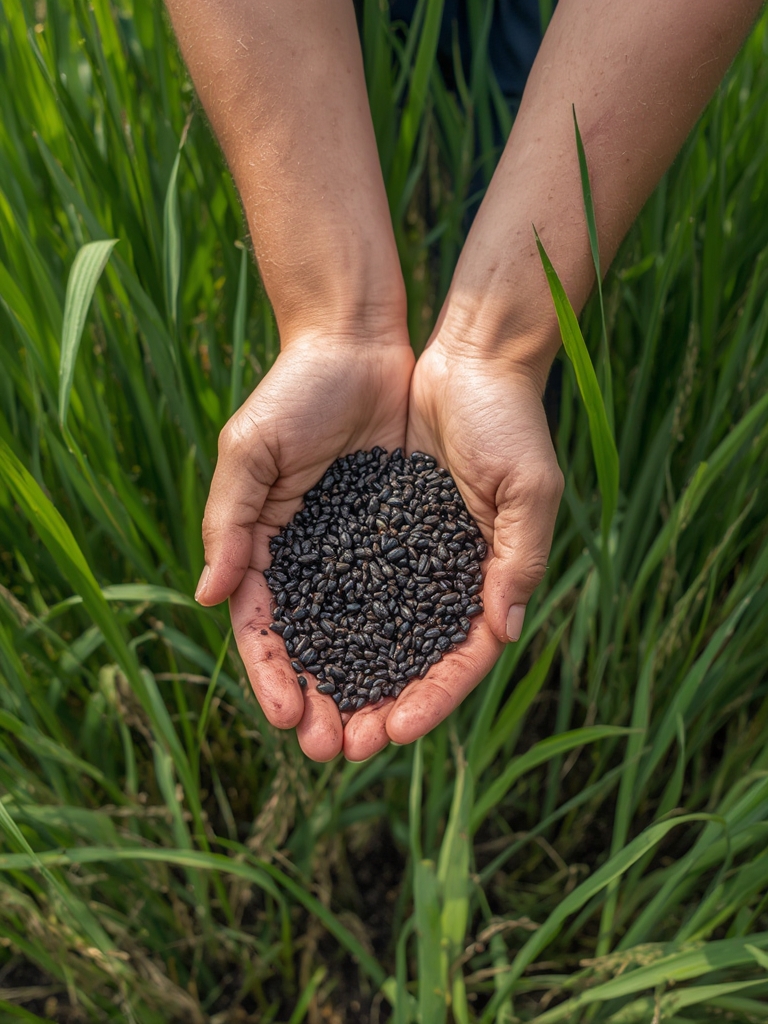
To successfully grow black rice at home, you’ll need:
- Black rice seeds/grains: Purchase from specialty seed suppliers or use organic, non-GMO black rice from health food stores
- Growing containers: Large plastic tubs (at least 12 inches deep) or dedicated rice paddies if space permits
- Potting medium: Heavy clay soil or standard potting soil mixed with clay
- Water source: Access to clean, non-chlorinated water
- Organic fertilizer: Nitrogen-rich options like fish emulsion or composted manure
- Garden tools: Trowel, watering can with fine spout, spray bottle for misting
- pH testing kit: Optional but helpful to maintain ideal soil acidity (pH 5.5-6.5)
- Floating row covers: To protect young plants from birds or insects
Timing / Growing Schedule
Black rice typically requires 110-160 days from planting to harvest, making it ideal for warm-season growing. Start seeds indoors 4-6 weeks before the last spring frost for temperate climates. In subtropical or tropical regions, you can direct-sow after temperatures consistently stay above 68°F (20°C). Unlike traditional white rice varieties that might need precise flooding schedules, black rice offers more flexibility with irrigation, making it approximately 20-30% easier to manage for home gardeners.
Step-by-Step Instructions
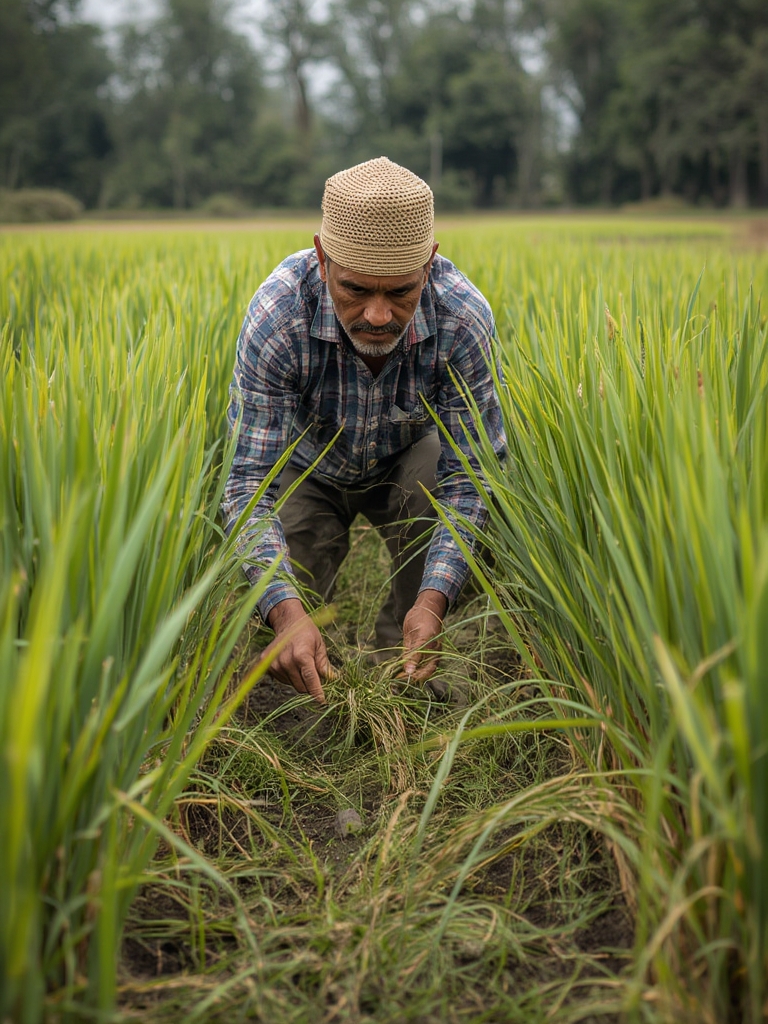
Prepare your growing medium: Mix clay-rich soil with organic compost in a 3:1 ratio. This creates the dense, water-retentive environment black rice thrives in.
Pre-soak seeds: Immerse black rice seeds in water for 24-36 hours until you see small white tips emerging. This dramatically improves germination rates.
Plant seeds: Sow pre-sprouted seeds about 1 inch deep and 6 inches apart in rows. For container growing, maintain similar spacing but ensure containers are filled with soil to about 2 inches from the top.
Water management: Unlike white rice varieties, black rice doesn’t require constant flooding. Maintain consistently moist soil with 1-2 inches of standing water during active growth phases. Reduce water as grains mature.
Fertilize appropriately: Apply organic nitrogen fertilizer when plants reach 8 inches tall and again when flowering begins. Avoid over-fertilizing, which can reduce grain production.
Nutritional Benefits
Black rice earns its superfood status with an impressive nutritional profile. It contains more anthocyanin antioxidants than blueberries, providing its distinctive color and powerful anti-inflammatory properties. Each serving offers:
- Higher protein content (8.5g per 100g) than both brown and white rice
- Rich in iron, zinc, and manganese
- Excellent source of fiber (over 3g per serving)
- Contains vitamin E, which supports immune function
- Lower glycemic index than white rice, making it suitable for blood sugar management
Tips and Alternative Methods
- Container gardening: Use 5-gallon buckets with drainage holes covered by mesh to retain soil while allowing water management.
- Indoor growing: Place containers near south-facing windows or under grow lights for year-round cultivation.
- Water conservation: Implement a drip irrigation system to reduce water usage while maintaining appropriate moisture levels.
- Companion planting: Grow nitrogen-fixing legumes nearby to enhance soil fertility naturally.
Common Mistakes to Avoid
- Inconsistent watering: Maintain even moisture throughout the growing period to prevent stunted growth or empty seed heads.
- Poor drainage: While black rice needs moisture, standing water for extended periods can cause root rot. Ensure containers have adequate drainage.
- Ignoring pH levels: Black rice prefers slightly acidic soil; test regularly and amend with sulfur if needed to lower pH.
- Harvesting too early: Wait until grain heads droop and turn golden-brown before harvesting to ensure maximum nutritional development.
Storage / Maintenance Tips
Store harvested black rice in airtight containers in a cool, dry place for up to one year. For longer storage, freeze cleaned grains in sealed bags. Maintain growing areas by removing plant debris after harvest and rotating crops annually to prevent disease buildup. Consider cover cropping during off-seasons to rebuild soil nutrients naturally.
Conclusion
Growing black rice at home offers both culinary distinction and exceptional health benefits with relatively simple cultivation requirements. By following these guidelines, even novice gardeners can successfully produce this ancient grain packed with nutrients. The satisfaction of harvesting your own black rice—from seed to table—makes the effort worthwhile. Why not set aside a small growing space to try this remarkable crop this season?
FAQs
Can black rice be grown in all climate zones?
Black rice grows best in USDA zones 7-10 but can be cultivated in containers indoors in cooler regions or with season extension techniques.
How much black rice can I harvest from a small plot?
A 4×4 foot growing area typically yields 2-3 pounds of dried black rice grains, providing approximately 15-20 servings.
Is black rice cultivation water-intensive?
While traditional rice farming requires flooding, black rice can thrive with consistent moisture, using approximately 30% less water than conventional rice growing methods.
Does black rice require special processing after harvest?
After harvesting, black rice needs drying and hulling, which can be done manually at home using basic tools, making it more accessible than processing other rice varieties.