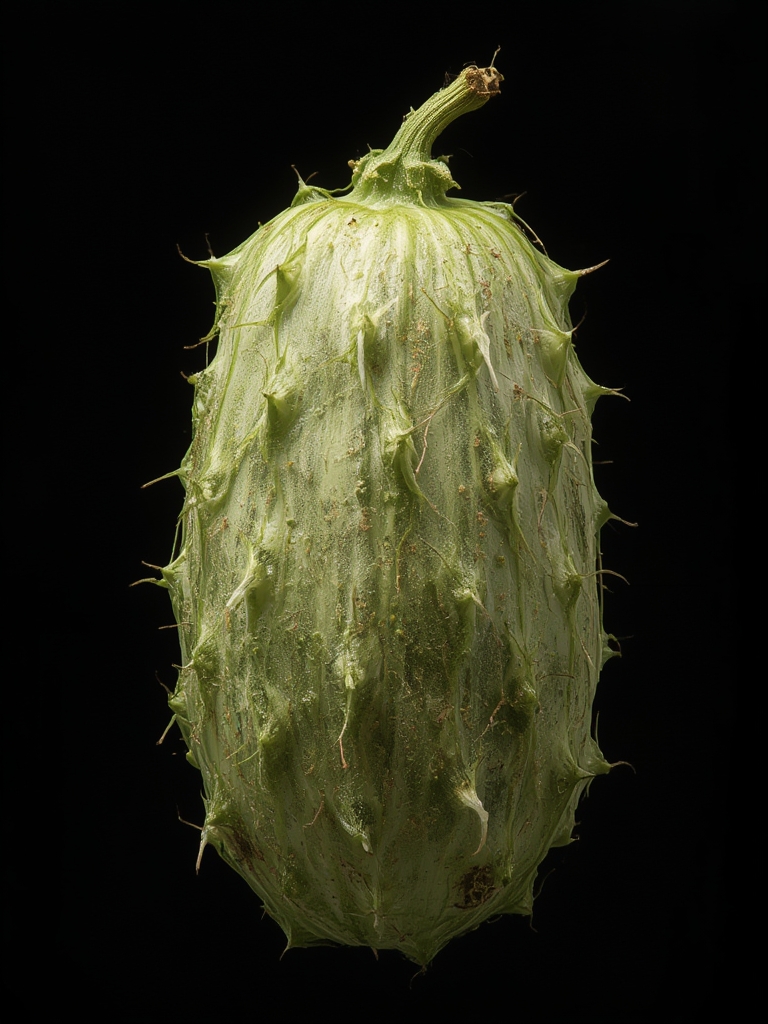

Have you ever considered growing your own bitter melon at home? This unique tropical vegetable, known for its distinctive warty exterior and intensely bitter flavor, thrives in warm backyard environments and offers gardeners both culinary versatility and impressive health benefits. Growing bitter melon (Momordica charantia) in your own garden ensures you’ll have fresh access to this nutritional powerhouse while adding an exotic touch to your growing space. With proper knowledge and the right conditions, you can successfully cultivate this warm-weather vine right in your backyard.
Table of Contents
Materials & Supplies
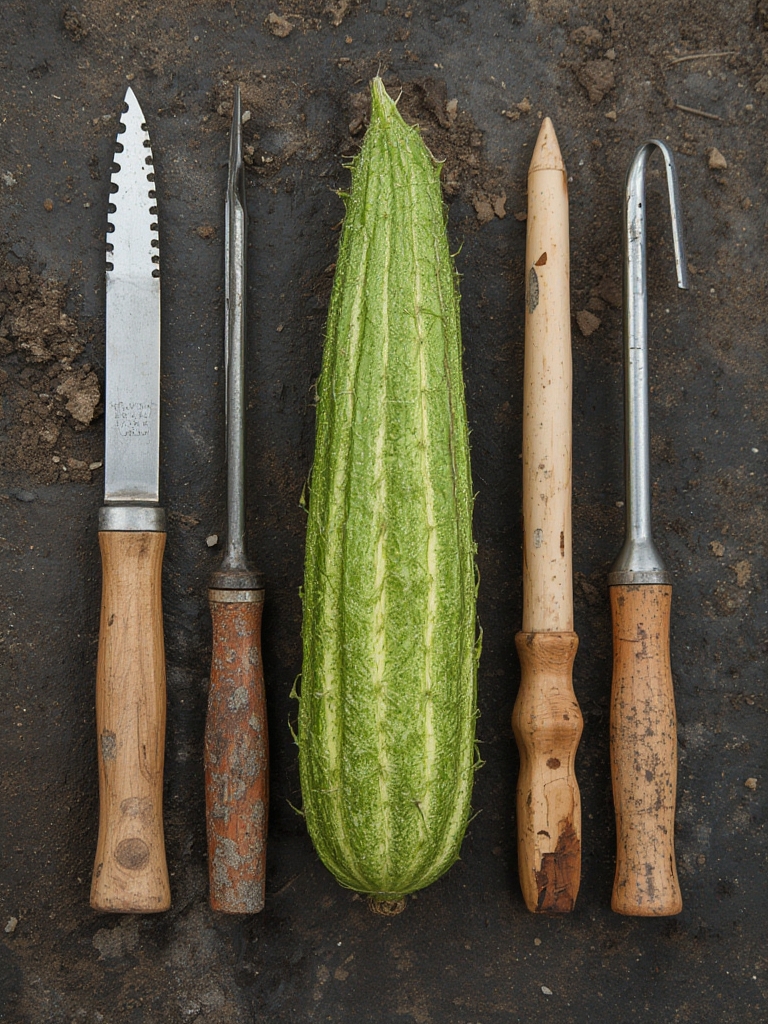
To start growing bitter melon successfully, gather these essential supplies:
- Bitter melon seeds: Choose from Chinese, Indian, or Thai varieties depending on your taste preference
- Growing containers: 5-gallon buckets or larger pots with drainage holes if not planting directly in ground
- Trellis or support system: 6-8 feet tall to accommodate vining growth habit
- Well-draining soil: Mix garden soil with compost and sand for optimal drainage
- Organic fertilizer: Balanced NPK formula (10-10-10) or compost tea
- Watering can or irrigation system: For consistent moisture delivery
- Garden gloves: For handling prickly vines during maintenance
- Pruning shears: To control growth and harvest fruits
- Mulch: Organic material to retain soil moisture and suppress weeds
Optional tools include soil pH testing kit (aim for 5.5-6.7), row covers for cooler climates, and neem oil for organic pest control.
Timing / Growing Schedule
Bitter melon requires a long, warm growing season of 3-4 months with temperatures consistently between 75-85°F (24-29°C). Start seeds indoors 4-6 weeks before your region’s last frost date. Transplant outdoors when soil temperatures reach at least 65°F (18°C). Expect germination within 5-10 days and initial fruits approximately 60-70 days after transplanting. Most varieties continue producing throughout the summer until first frost. For comparison, bitter melon has a longer growing season than cucumbers but shorter than winter squash.
Step-by-Step Instructions
- Prepare seeds: Soak bitter melon seeds in warm water for 24 hours before planting to improve germination rates.
- Start indoors: Plant seeds ½ inch deep in biodegradable pots filled with seed-starting mix. Maintain soil temperature around 75°F using a heat mat if necessary.
- Provide sunlight: Place seedlings where they’ll receive at least 6-8 hours of direct sunlight daily.
- Harden off seedlings: One week before transplanting, gradually expose plants to outdoor conditions, increasing exposure daily.
- Prepare garden bed: Select a full-sun location and amend soil with compost. Install trellising before planting.
- Transplant: Space plants 2-3 feet apart in rows 3-4 feet apart, being careful not to disturb fragile roots.
- Train vines: Guide young vines onto the trellis and secure with garden twine if necessary.
- Fertilize: Apply balanced fertilizer when plants begin flowering, following package instructions.
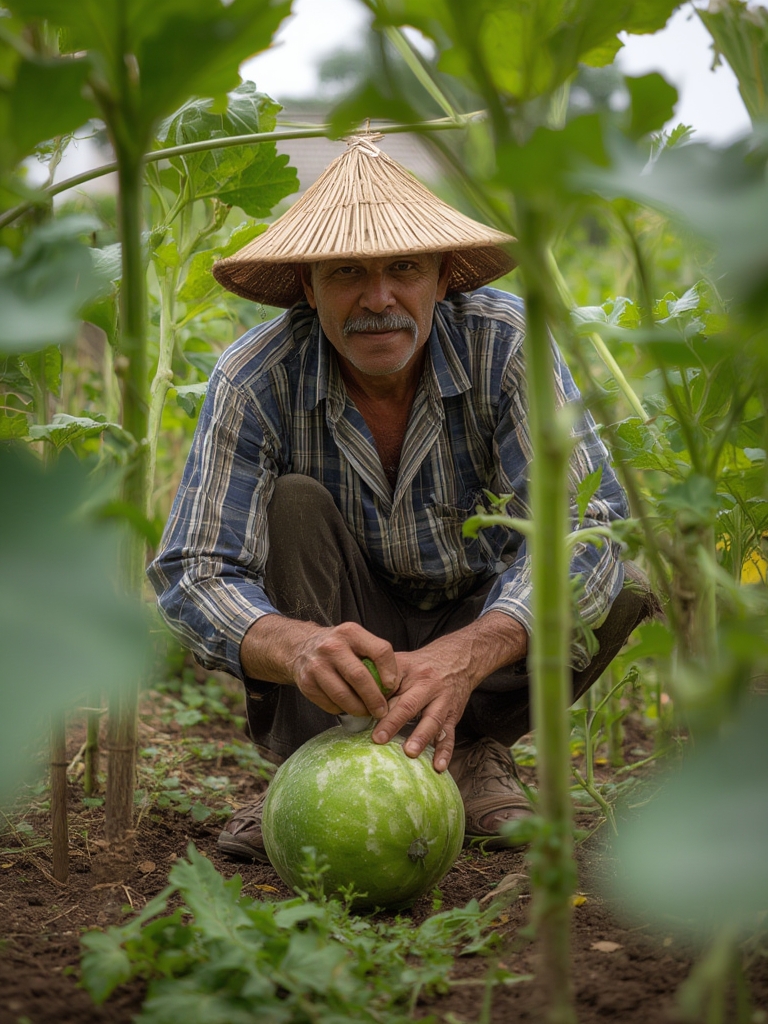
- Monitor pollination: Hand-pollinate flowers in the morning if pollinators are scarce by transferring pollen from male to female flowers using a small brush.
- Harvest: Pick fruits when they’re firm, bright green, and 4-6 inches long for less bitterness.
Nutritional Benefits
Bitter melon is renowned for its exceptional health properties. It contains compounds that may help regulate blood sugar levels and is packed with vitamins C and A, folate, and minerals including potassium and iron. The vegetable is extremely low in calories while providing dietary fiber. Regular consumption has been linked to improved digestive health, enhanced immune function, and potential anti-inflammatory benefits. Growing your own ensures you’ll have access to the freshest bitter melon, which contains the highest concentration of beneficial compounds.
Tips, Alternative Methods, or Gardening Advice
Container gardening works excellently for bitter melon, especially in cooler climates where containers can be moved to maximize sun exposure. For small spaces, choose a compact variety like ‘Thai Green’ and use vertical trellising. In regions with short summers, start seeds indoors earlier and use black plastic mulch to warm soil faster. Consider growing bitter melon alongside pollinator-attracting plants like marigolds or borage to increase fruit set. For organic gardening, regular applications of compost tea can replace synthetic fertilizers while strengthening natural disease resistance.
Common Mistakes to Avoid
- Insufficient support: Bitter melon vines are vigorous and heavy when fruiting. Use sturdy trellises or supports to prevent vine breakage.
- Overwatering: While bitter melon needs consistent moisture, waterlogged soil leads to root rot. Allow soil to dry slightly between waterings.
- Harvesting too late: Fruits become increasingly bitter and develop hard seeds when overripe. Harvest regularly when fruits are young.
- Ignoring pests early: Monitor for aphids, spider mites, and cucumber beetles regularly. Treat with insecticidal soap at first sign of infestation.
- Planting in cool soil: Bitter melon seeds rot in cold soil. Wait until soil temperatures are consistently warm before direct sowing.
Storage / Maintenance Tips
Water bitter melon plants at soil level early in the day, avoiding wet foliage which can promote fungal diseases. Prune to remove excess foliage and encourage air circulation. Store harvested bitter melon in perforated plastic bags in the refrigerator for up to one week. For longer storage, blanch and freeze sliced bitter melon for up to six months. Remove any fruits showing yellow coloration immediately as they will divert plant energy from producing new fruits. Apply a layer of compost mid-season to provide additional nutrients during heavy fruiting periods.
Conclusion
Growing bitter melon in your warm backyard garden brings the satisfaction of cultivating a nutritional powerhouse right outside your door. With proper trellising, consistent care, and attention to timing, you’ll be rewarded with a bountiful harvest of this unique vegetable throughout the summer months. The initial effort pays off with fresh, organic produce that far surpasses store-bought alternatives in both flavor and nutritional value. Share your bitter melon growing journey with us in the comments below, or explore our related posts on tropical vegetables that thrive in home gardens.
FAQs
When is the best time to harvest bitter melon?
Harvest bitter melon when fruits are firm, bright green, and 4-6 inches long for most varieties. Morning harvesting yields the freshest taste and highest nutrient content.
Why are my bitter melon plants flowering but not producing fruit?
This typically indicates a pollination issue. Hand-pollinate flowers in the morning by transferring pollen from male flowers (thin stems) to female flowers (with tiny fruit at the base).
Can bitter melon be grown in cooler climates?
Yes, but with adaptations. Use black plastic mulch to warm soil, choose faster-maturing varieties, start seeds indoors early, and consider row covers for temperature regulation.
How can I reduce the bitterness of homegrown bitter melon?
Harvest younger, smaller fruits for less bitterness. Additionally, blanching briefly in salted water before cooking or soaking sliced bitter melon in salted water for 15-30 minutes can reduce the bitter flavor.
What companion plants work well with bitter melon?
Plant bitter melon alongside pollinator-attracting flowers like marigolds, herbs such as basil or dill, or other non-competing vegetables like bush beans. Avoid planting near potatoes, which can compete for nutrients.