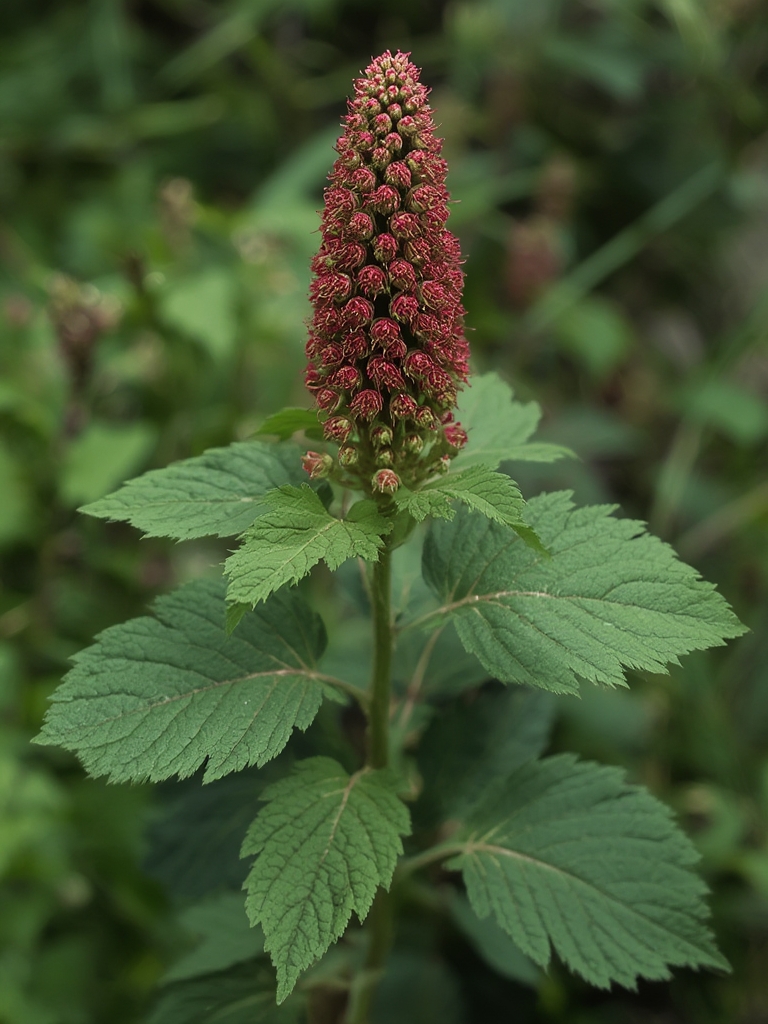

Have you ever wanted to grow a plant that’s both visually stunning and nutritionally dense? Amaranth might be the perfect addition to your garden. This ancient grain and leafy green has been cultivated for thousands of years, yet remains underappreciated in modern home gardens. Growing amaranth at home not only provides you with nutrient-rich greens and protein-packed seeds but also adds a splash of vibrant color to your garden space. Whether you’re an experienced gardener or just starting out, amaranth’s forgiving nature makes it an excellent choice for gardens of all sizes.
Table of Contents
Materials & Supplies
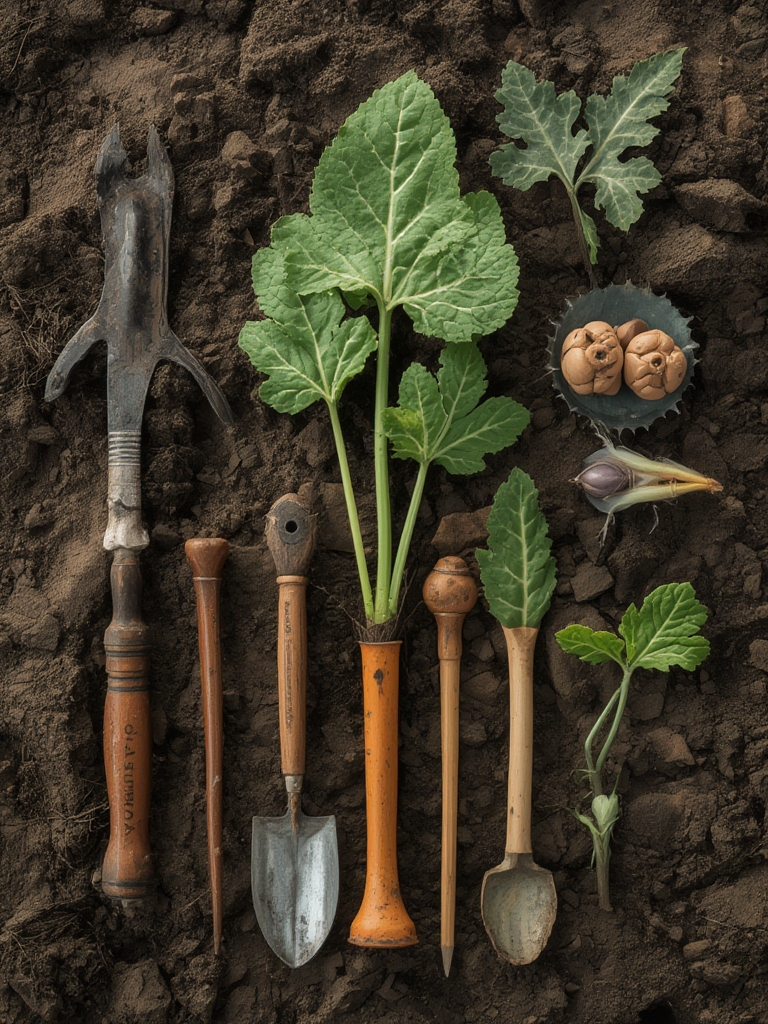
To successfully grow amaranth at home, you’ll need:
- Amaranth seeds: Choose from varieties like ‘Red Garnet,’ ‘Hopi Red Dye,’ or ‘Green Thumb’ depending on your preference for grain or leaf production
- Well-draining soil: Garden soil mixed with compost or a quality potting mix
- Garden space or containers: Amaranth can grow in beds or pots (minimum 12-inch diameter)
- Basic gardening tools: Trowel, watering can, and rake
- Organic fertilizer (optional): A balanced, slow-release fertilizer supports robust growth
- Mulch: To retain moisture and suppress weeds
- Support stakes (optional): For taller varieties that may need stabilizing in windy areas
- Pruning shears: For harvesting leaves and seed heads
Timing / Growing Schedule
Amaranth thrives in warm conditions, making it perfect for summer gardens. Start seeds indoors 4-6 weeks before your last frost date, or direct sow when soil temperatures reach 65°F (18°C). The growing period typically spans 60-90 days, with leaf harvests possible within 20-30 days after planting. Seed heads mature in 90-120 days, depending on variety. This timeline makes amaranth comparable to growing sunflowers, though with the added benefit of edible leaves throughout the season.
Step-by-Step Instructions
Prepare your planting area: Choose a sunny location with well-draining soil. Work in compost to improve fertility. For containers, use quality potting soil with drainage holes.
Sow seeds: Plant seeds 1/4 inch deep and 18-24 inches apart. For leaf production, you can plant more densely (6-8 inches apart) and thin later. Water lightly after planting.
Maintain consistent moisture: Keep soil evenly moist until seeds germinate (usually 7-14 days). Once established, amaranth becomes relatively drought-tolerant, but consistent watering produces better yields.
Thin seedlings: When plants reach 2-3 inches tall, thin to proper spacing. Don’t discard the thinnings—they’re perfectly edible as microgreens!
Mulch plants: Apply 2-3 inches of organic mulch around plants to conserve moisture and reduce weed competition.
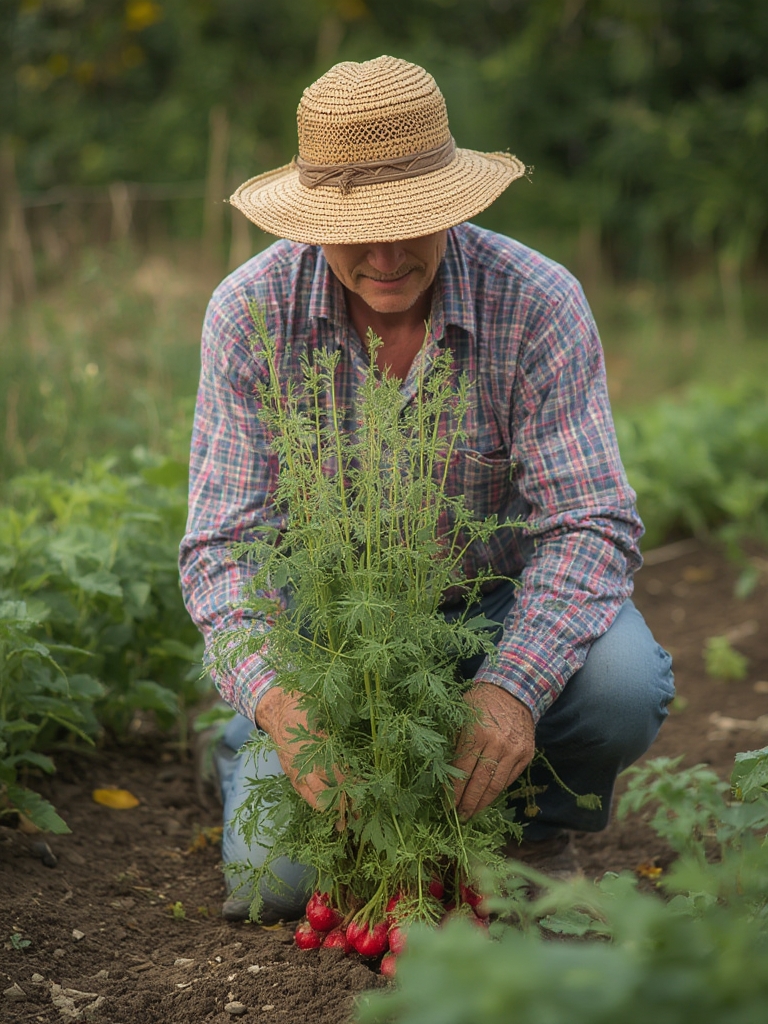
Harvest leaves regularly: Begin harvesting outer leaves when plants are 6-8 inches tall. Regular harvesting encourages continued leaf production.
Support taller plants: As grain varieties grow (potentially reaching 6-8 feet), provide support if needed to prevent toppling.
Nutritional Benefits
Amaranth is a nutritional powerhouse. The leaves contain more calcium, iron, and phosphorus than many other leafy greens. They’re rich in vitamins A and C, folate, and antioxidants. The seeds are one of the few plant sources containing complete protein with all essential amino acids. They’re also high in fiber, magnesium, and lysine—an amino acid often limited in other grains. Additionally, amaranth is naturally gluten-free, making it suitable for those with celiac disease or gluten sensitivity.
Tips and Alternative Methods
- Container growing: Choose compact varieties like ‘Pygmy Torch’ or focus on leaf production in containers.
- Succession planting: Sow new seeds every 2-3 weeks for continuous leaf harvests throughout summer.
- Companion planting: Grow amaranth alongside tall corn to provide natural support structures.
- Indoor cultivation: Grow microgreens on a sunny windowsill year-round.
- Heat tolerance: Unlike many leafy greens, amaranth thrives during hot summer months when lettuce may bolt.
Common Mistakes to Avoid
- Planting too deeply: Seeds need light to germinate—plant only 1/4 inch deep.
- Overcrowding: Ensure proper spacing to prevent disease and stunted growth.
- Overwatering: Once established, amaranth prefers slightly dry conditions between waterings.
- Harvesting too late: For tender greens, harvest young leaves regularly; older leaves become tougher.
- Ignoring seed heads: Don’t let seed heads mature and drop if you want to prevent self-seeding, as amaranth can be prolific.
Storage / Maintenance Tips
Store harvested leaves in the refrigerator, wrapped in damp paper towels, for up to 5 days. For seed storage, allow seed heads to fully mature on the plant until they become dry and brittle. Hang seed heads upside down in paper bags to catch falling seeds, then store in airtight containers in a cool, dry place for up to 5 years. During the growing season, minimal maintenance is required—simply remove any diseased or yellowing leaves and keep an eye out for aphids or leaf miners.
Conclusion
Amaranth deserves a place in every home garden, offering exceptional nutrition, striking visual appeal, and remarkable ease of growth. Whether you’re harvesting tender leaves for salads, cooking the greens like spinach, or collecting protein-rich seeds for baking, amaranth rewards minimal effort with maximum returns. Start with a small patch this growing season and discover why this ancient plant is making a modern comeback in sustainable home gardens. Have you grown amaranth before? Share your experiences in the comments!
FAQs
Can I grow amaranth indoors?
Yes, compact varieties can be grown indoors near a south-facing window or under grow lights. Focus on leaf production rather than seeds when growing indoors.
Is amaranth difficult to harvest?
Not at all. Leaves can be harvested by simply pinching or cutting. For seeds, wait until the seed heads are dry, then gently rub them over a bucket to release the seeds.
Will amaranth come back every year?
Amaranth is an annual plant, but it self-seeds readily. If you allow some seed heads to mature and drop seeds, you’ll likely see volunteer plants the following season.
Can amaranth grow in partial shade?
While amaranth prefers full sun, it can tolerate partial shade. However, plants grown in shade may become leggy and produce fewer seeds.
How do I prevent amaranth from becoming invasive?
Harvest seed heads before they fully mature or become brittle. If some seeds do drop, young seedlings are easy to identify and remove from unwanted areas.