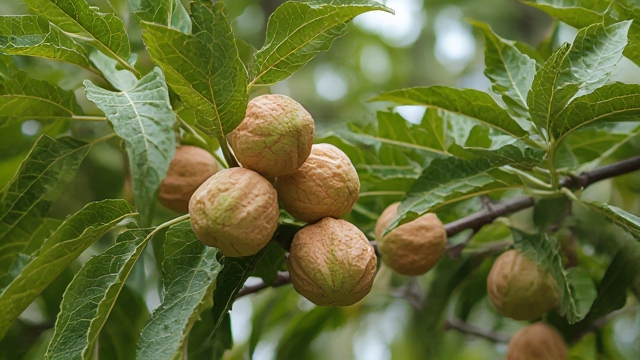

Have you ever imagined harvesting your own fresh walnuts from a tree in your backyard? Growing a Walnut Tree at home is a rewarding investment that pays dividends for decades, providing nutritious nuts, shade, and increased property value. Whether you’re a seasoned gardener or a beginner, this guide will walk you through everything you need to know about cultivating healthy walnut trees.
Walnut trees are long-lived Perennials that can produce nuts for over 100 years when properly maintained. Despite their reputation for being challenging to grow, modern gardening techniques have made them accessible to Home Gardeners in various climates. This comprehensive guide covers materials, timing, step-by-step instructions, and expert tips to ensure your Walnut Tree thrives.
Table of Contents
Materials & Supplies
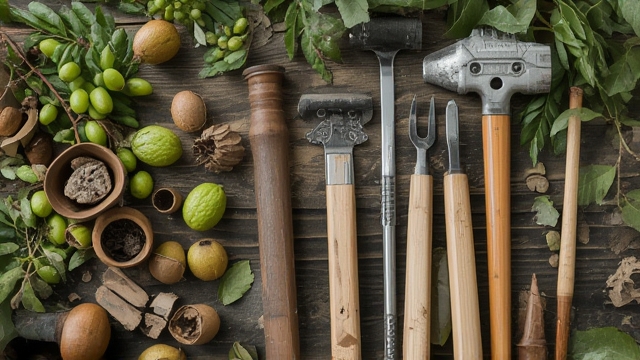
Before planting your Walnut Tree, gather the following essential materials:
Core Items:
- Walnut tree seedlings (1-year-old bare-root or container-grown)
- Well-draining soil pH 6.0-7.5
- Garden spade and shovel
- Mulch (wood chips or straw)
- Balanced fertilizer (10-10-10 or organic equivalent)
- Large container (minimum 20 gallons) if growing in pots
Optional Supplies:
- pH testing kit
- Pruning shears and saw
- Tree stakes and ties
- Root hormone powder
- Compost or aged manure
- Garden hose or drip irrigation system
Consider purchasing locally-adapted varieties from reputable nurseries. English walnuts (Juglans regia) and Black walnuts (Juglans nigra) are popular choices, with English varieties being more beginner-friendly.
Timing / Growing Schedule
Preparation Time: 2-3 weeks before planting
Germination Period: 4-6 weeks if starting from seeds
** seedling Establishment:** First growing season
Time to First Harvest: 4-7 years from seedling, 10-12 years from seed
Mature Production: Full production reached by year 15
In most regions, plant bare-root walnut trees in early spring while still dormant, ideally between March and April. Container-grown trees can be planted in spring or early fall. If starting from seeds, stratify them outdoors over winter or refrigerate for 90-120 days before spring planting.
Step-by-Step Instructions
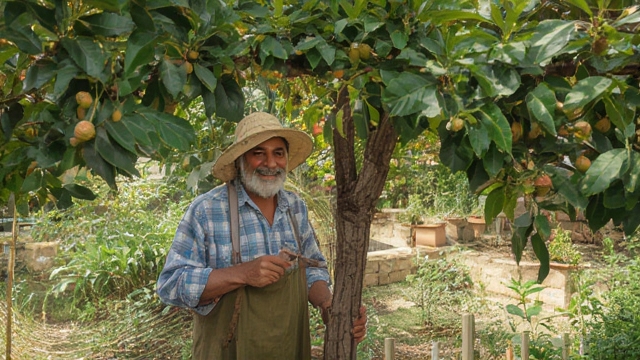
Step 1: Choose the Right Location
Select a sunny spot receiving 6-8 hours of direct sunlight daily. Ensure adequate spacing—at least 30-40 feet from structures and other trees, as walnut roots extend widely and produce juglone, a compound toxic to some plants.
Step 2: Prepare the Soil
Test your soil pH and amend if necessary. Dig a hole twice as wide as the root ball and just as deep. Mix compost into the removed soil for improved drainage and nutrition.
Step 3: Plant the Tree
Place the seedling in the hole, ensuring the graft union (if present) sits 2-3 inches above soil level. Backfill carefully, tamping down to eliminate air pockets. Water thoroughly.
Step 4: Mulch and Stake
Apply 3-4 inches of organic mulch around the base, keeping it away from the trunk. Install stakes for young trees to support against wind damage.
Step 5: Initial Care
Water deeply once weekly during the first two years. Apply balanced fertilizer in early spring, following package directions based on tree age.
Nutritional Benefits / Advantages
Homegrown walnuts offer exceptional nutritional value. They contain omega-3 fatty acids, antioxidants, protein, and minerals including magnesium, phosphorus, and potassium. Regular consumption supports heart health, brain function, and reduces inflammation.
Environmental benefits include carbon sequestration, soil erosion prevention, and habitat for wildlife. Mature walnut trees can increase property values by 10-20% and provide cooling shade that reduces energy costs.
Tips, Alternative Methods, or Gardening Advice
Container Gardening: Grow dwarf or semi-dwarf varieties in large containers on patios. Use potted walnuts for mobility during extreme weather.
Organic Methods: Apply compost tea quarterly, use neem oil for pest control, and practice companion planting with nitrogen-fixing species.
Climate Adjustments: In colder zones, wrap young trunks with tree guards and apply extra mulch before winter. In hot climates, provide afternoon shade during establishment.
Space-Saving Tips: Train walnut trees as espaliers against walls or plant in hedgerows for smaller properties.
Common Mistakes to Avoid
- Overwatering: Walnut trees prefer deep, infrequent watering. Constant moisture causes root rot.
- Planting too deeply: This suffocates roots and invites disease.
- Ignoring juglone: Don’t plant tomatoes, peppers, or blueberries near walnut trees.
- Skipping pruning: Annual shaping prevents weak branches and improves nut production.
- Harvesting too early: Wait until nuts fall naturally for mature, fully-developed kernels.
Storage / Maintenance Tips
Post-Harvest Storage: Dry harvested nuts in a single layer for 2-3 weeks in a cool, dry location. Store in airtight containers in the refrigerator for up to one year or freezer for two years.
Ongoing Maintenance:
- Water mature trees during drought periods (1-2 inches weekly)
- Prune in late winter to remove deadwood and improve airflow
- Fertilize annually in early spring
- Monitor for aphids, codling moths, and walnut anthracnose
- Apply trunk paint or guards to prevent sunscald and borers
Conclusion
Growing a healthy Walnut Tree requires patience and proper technique, but the rewards—decades of nutrient-rich nuts, environmental benefits, and natural beauty—make the investment worthwhile. Start with quality seedlings, provide consistent care during establishment, and enjoy the journey watching your tree mature. Share your walnut growing experiences in the comments below, and explore our guides onfruit tree care and organic gardening for more tips.
FAQs
How long does it take for a walnut tree to produce nuts?
Walnut trees typically begin producing nuts 4-7 years after planting a seedling, but may take 10-12 years when grown from seed.
Do I need two walnut trees to get nuts?
Most walnut varieties are self-pollinating, but planting two different varieties can improve pollination and increase yields.
Are black walnuts and English walnuts different?
Yes. Black walnuts have stronger flavor but harder shells; English walnuts are easier to crack and more common in commercial production.
How do I know when walnuts are ready to harvest?
Walnuts are ready when the green hulls split and nuts begin falling from the tree. Harvest promptly to prevent mold.
Can I grow a walnut tree in a pot?
Yes, dwarf varieties thrive in containers of at least 20 gallons. Ensure adequate drainage and repot every 2-3 years.