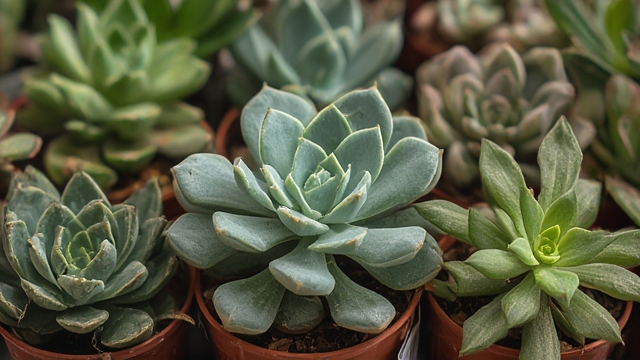

Succulents have taken the gardening world by storm, becoming beloved houseplants for both beginners and seasoned plant parents alike. But why do these drought-resistant beauties deserve a spot in your home? The answer lies in their remarkable ability to thrive with minimal care while adding a touch of natural elegance to any space. Whether you’re looking to transform your windowsill into a miniature desert garden or seeking low-maintenance greenery for your office desk, succulents plants offer an rewarding gardening experience that fits seamlessly into busy lifestyles. These resilient plants store water in their thick leaves, stems, and roots, making them incredibly forgiving of occasional neglect while providing endless aesthetic variety.
Table of Contents
Materials & Supplies
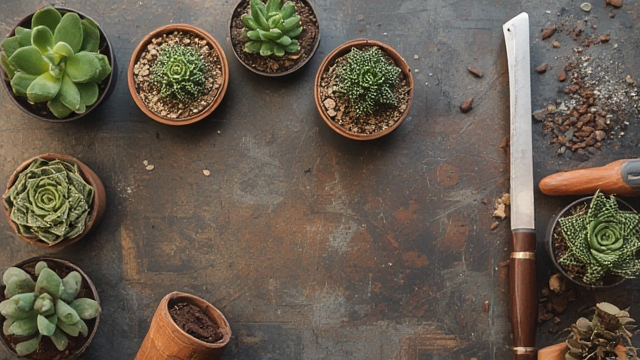
Before diving into succulent care, gathering the right supplies ensures your plants have the best foundation for success. Here’s what you’ll need:
Essential Materials:
- Well-draining potting mix (cactus or succulent-specific soil)
- Containers with drainage holes (terracotta pots work exceptionally well)
- Succulent plants or cuttings (available at garden centers or online)
- Gravel or small pebbles for drainage layer
- Watering can with fine nozzle or squeeze bottle
- Soft brush for cleaning leaves
Optional Items:
- Decorative sand or moss for top dressing
- Rooting hormone powder for propagatingnew plants
- Plant labels or markers
- Grow lights for indoor spaces with limited natural light
- Fertilizer specifically formulated for succulents (low-nitrogen)
Timing / Growing Schedule
Understanding the timing behind succulent care helps set realistic expectations and ensures healthy growth year-round. Most succulents prefer warm temperatures between 65-80°F (18-27°C) during their active growing season, typically spring through early fall. During these months, you’ll water more frequently—approximately every 7-14 days—allowing soil to dry completely between waterings.
Winter months signal dormancy for many succulent varieties, requiring reduced watering to every 2-4 weeks. This dormant period is crucial for their overall health, as overwatering during winter remains the leading cause of succulent death. Growth rates vary significantly by species, with some producing new leaves within weeks while others may take months to show noticeable progress. Patience proves essential—succulents are slow but steady growers.
Step-by-Step Instructions
Step 1: Choose the Right Location
Select a spot receiving 4-6 hours of bright, indirect sunlight daily. South or east-facing windows provide ideal conditions. Insufficient light causes etiolation—stretching toward light sources—resulting in weak, leggy growth.
Step 2: Prepare Your Container
Add a 1-inch layer of gravel or pebbles at the bottom of your pot. This prevents root rot by ensuring excess water drains freely. Fill remaining space with well-draining succulent soil, leaving about an inch from the rim.
Step 3: Plant Your Succulents
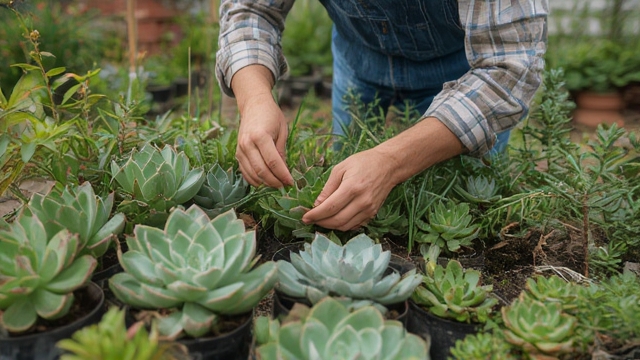
Gently remove plants from nursery pots, loosening compacted roots. Place in the center of your container and fill surrounding areas with soil. Press lightly to secure, but avoid compacting the soil too tightly.
Step 4: Water Properly
The soak-and-dry method works best: water thoroughly until it drains from the bottom, then wait until soil completely dries before watering again. Bottom watering encourages deep root growth and prevents leaf rot.
Step 5: Maintain Regularly
Dust leaves monthly with a soft brush to maximize photosynthesis. Rotate pots weekly to ensure even growth on all sides.
Nutritional Benefits / Advantages
Growing succulents offers numerous benefits beyond their aesthetic appeal. These plants improve indoor air quality by absorbing carbon dioxide and releasing oxygen, particularly effective at night for bedroom environments. Their presence can reduce stress and boost mood, contributing to better mental well-being. For those with limited outdoor space, succulents provide gardening satisfaction without requiring yards of land. Additionally, many succulent varieties contain beneficial compounds used in traditional medicine and skincare products.
Tips, Alternative Methods, or Gardening Advice
Container gardening proves perfect for succulents, allowing you to move plants as needed for optimal light exposure. Hanging macramé planters showcase trailing varieties beautifully while saving counter space. For outdoor gardens in appropriate climates, rock gardens with excellent drainage create natural-looking succulent landscapes. Indoor growers in low-light environments should consider low-light tolerant varieties like jade plants or snake plants. During summer, move container succulents outside gradually to prevent sunburn, then bring them inside before first frost.
Common Mistakes to Avoid
Overwatering remains the most common killer of succulents—always let soil dry completely between waterings. Using containers without drainage holes traps moisture against roots, causing rot. Placing succulents in direct hot sunlight through glass windows leads to leaf burn. Fertilizing too frequently or with high-nitrogen products causes rapid, weak growth. Ignoring pest prevention allows mealybugs and spider mites to infest plants; inspect regularly and treat immediately with neem oil if detected.
Storage / Maintenance Tips
Succulents require minimal storage, as they’re typically grown in containers year-round. However, during winter in colder regions, bring outdoor plants inside before temperatures drop below 50°F (10°C). Pruning dead or damaged leaves encourages healthy new growth. Repot every 2-3 years or when roots emerge from drainage holes, using fresh soil each time. Apply diluted fertilizer monthly during growing season to support vibrant foliage.
Conclusion
Growing thriving succulents plants rewards patient gardeners with stunning, low-maintenance beauty that lasts for years. By providing proper drainage, appropriate watering, and adequate light, you’ll discover how truly forgiving these remarkable plants can be. Start with one or two varieties and expand your collection as confidence grows. We encourage you to share your succulent success stories in the comments below—did you try any of these tips? Happy planting!
FAQs
How often should I water my succulents?
Water every 7-14 days during growing season, allowing soil to dry completely between waterings. Reduce to every 2-4 weeks in winter.
Can succulents grow indoors without direct sunlight?
Yes, but they may become leggy. Low-light varieties like ZZ plants or certain pothos work better in dim spaces, or use grow lights.
Why are my succulent leaves falling off?
This typically indicates overwatering. Check drainage holes and reduce watering frequency immediately.
Do succulents need fertilizer?
Yes, but sparingly. Apply diluted succulent fertilizer once monthly during spring and summer growing months.
What’s the best soil for succulents?
Use specifically formulated cactus or succulent soil, or create your own by mixing regular potting soil with perlite or sand for improved drainage.