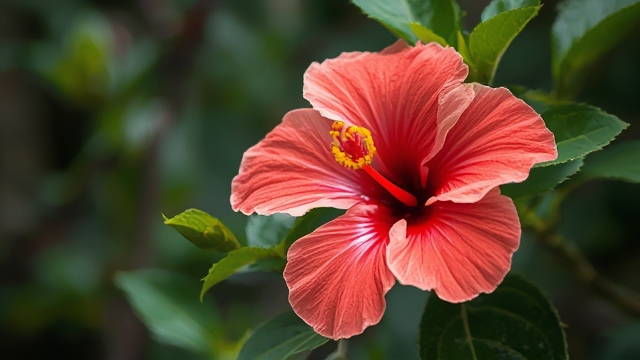

Have you ever wondered how to transform your garden into a tropical paradise with vibrant, show-stopping blooms? Hibiscus flowers are the secret weapon that countless gardeners use to create breathtaking displays that attract pollinators and elevate outdoor aesthetics. Whether you’re a seasoned gardener or just starting your green journey, growing hibiscus at home offers rewarding results with relatively modest effort. Let’s dive into everything you need to know about cultivating these stunning tropical beauties successfully.
Table of Contents
Materials & Supplies
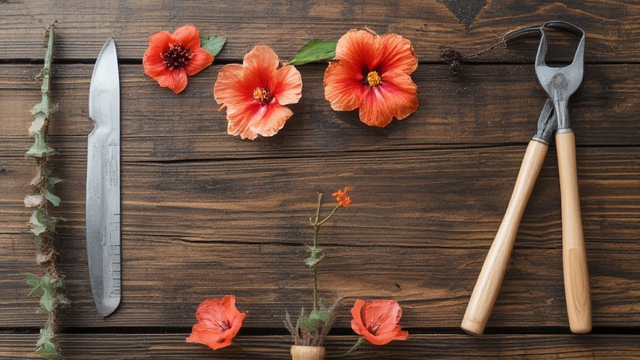
Before planting your hibiscus, gather the following essentials to ensure a smooth growing experience:
- Hibiscus seeds or nursery plants – Choose between starting from seeds (patience required) or purchasing established young plants for faster blooms
- Well-draining potting mix – A blend rich in organic matter works best; avoid heavy clay soils that retain excess moisture
- Containers or garden beds – Ensure pots have drainage holes; fabric pots are excellent for root aeration
- Balanced fertilizer – Look for formulations like 10-10-10 or slow-release options specifically designed for flowering plants
- Watering can or hose – Maintain consistent moisture without overwatering
- Pruning shears – Essential for shaping and maintaining plant health
- Mulch – Helps retain moisture and regulate soil temperature
Optional items include a pH testing kit (hibiscus prefers slightly acidic soil between 6.0-7.0), string or stakes for support, and organic compost for soil enrichment.
Timing / Growing Schedule
Timing plays a crucial role in hibiscus success. Prep time involves preparing your soil and containers 1-2 weeks before planting. The ideal planting window is spring or early summer when temperatures consistently stay above 60°F (15°C). Growth period varies significantly—seed-grown plants typically take 2-3 years to mature and bloom, while nursery plants may flower within their first growing season. Expect your hibiscus to enter peak bloom time from midsummer through early fall, with some varieties producing flowers year-round in warm climates. In cooler regions, plants enter dormancy during winter months.
Step-by-Step Instructions
Step 1: Choose Your Location
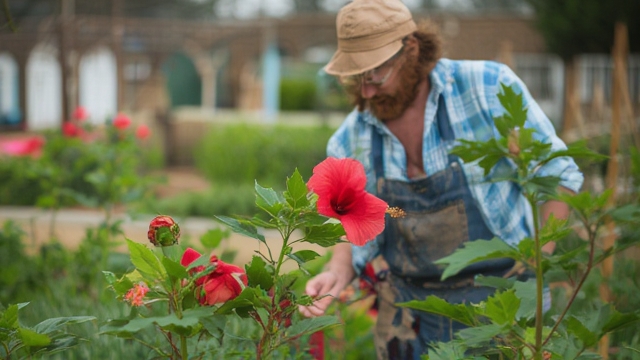
Select a spot receiving 6-8 hours of direct sunlight daily. Hibiscus thrives in bright, warm conditions—insufficient light leads to fewer blooms and leggy growth.
Step 2: Prepare Your Soil
Mix potting soil with compost in a 3:1 ratio. Ensure excellent drainage by adding perlite or sand if needed. For container planting, choose pots at least 12 inches in diameter.
Step 3: Plant Properly
If using nursery plants, dig a hole twice as wide as the root ball. Place the plant at the same depth it grew in its container. Backfill gently and water thoroughly.
Step 4: Water Consistently
Keep soil consistently moist but never waterlogged. During hot weather, daily watering may be necessary. Reduce frequency during cooler months.
Step 5: Fertilize Regularly
Feed every 2-3 weeks during the growing season with a balanced, water-soluble fertilizer. Switch to a bloom-boosting formula (higher phosphorus) in summer to encourage flower production.
Step 6: Prune and Shape
Prune in late winter or early spring to maintain shape and encourage new growth. Remove dead or crossing branches and pinch growing tips to promote bushier development.
Nutritional Benefits / Advantages
Beyond their ornamental appeal, hibiscus plants offer remarkable benefits. The flowers of Hibiscus sabdariffa (roselle) are used to make delicious teas rich in vitamin C and antioxidants. Growing hibiscus supports local ecosystems by attracting hummingbirds, butterflies, and bees to your garden. These plants also act asnatural privacy screens when grown as hedges, and their dense foliage helps filter air pollutants.
Tips, Alternative Methods, or Gardening Advice
- Container gardening – Ideal for colder climates; move pots indoors during frost
- Indoor growing – Place near south-facing windows and maintain humid conditions
- Organic methods – Use compost tea and natural pest controls like neem oil
- Climate adjustments – In USDA zones below 9, grow tropical varieties as annuals or bring containers inside for winter
Common Mistakes to Avoid
Many gardeners struggle with overwatering, which causes root rot—always check soil moisture before watering. Using cold water can shock plants; opt for room-temperature hydration. Skipping fertilization leads to yellowing leaves and poor blooming; establish a consistent feeding schedule. Pruning at the wrong time (late fall) removes buds and eliminates flowering the following season.
Storage / Maintenance Tips
For harvested hibiscus flowers (edible varieties), store fresh blooms in the refrigerator for up to one week. Dried flowers maintain quality for 6-12 months in airtight containers. Ongoing maintenance includes monthly deep watering, bi-weekly fertilization during active growth, and pest monitoring for aphids, spider mites, and whiteflies. Apply horticultural oil at the first sign of infestation.
Conclusion
Growing hibiscus flowers transforms ordinary gardens into extraordinary tropical retreats. With proper sunlight, consistent watering, and attentive care, these resilient plants reward gardeners with spectacular blooms season after season. Start your hibiscus journey today—your future self will thank you when vibrant flowers grace your outdoor space. Have you grown hibiscus before? Share your tips and experiences in the comments below!
FAQs
How long do hibiscus flowers last?
Individual blooms typically last 1-2 days, but plants produce new flowers continuously throughout the blooming season.
Can hibiscus grow in shade?
Hibiscus requires full sun to bloom properly. While they may survive in partial shade, expect significantly reduced flowering.
Why are my hibiscus leaves turning yellow?
Yellow leaves often indicate overwatering, nutrient deficiencies, or pest problems. Check soil drainage and consider applying a balanced fertilizer.
Do hibiscus plants come back every year?
In frost-free climates (zones 9-11), hibiscus grows as a perennial and returns yearly. In colder regions, treat as annuals or overwinter indoors.
Are all hibiscus flowers edible?
No—while some varieties like Hibiscus sabdariffa are edible, many ornamental hybrids may contain compounds that cause stomach upset. Only consume flowers you can positively identify as safe.