
Introduction
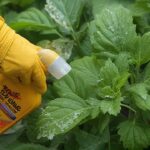
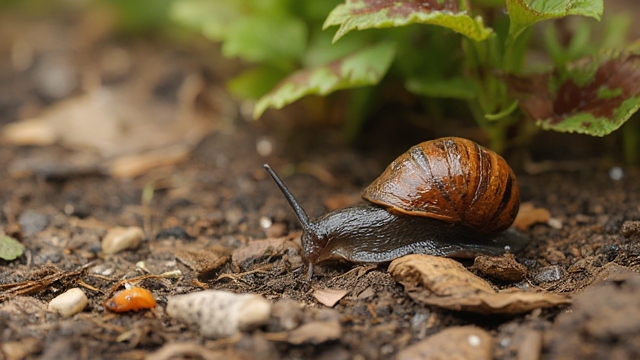
Wake up to find your prized petunias riddled with holes and silvery slime trails across your beautiful flower pots? You’re not alone—slugs are the number one enemy of container gardeners, turning vibrant blooms into ragged leftovers overnight. If you’re wondering how to stop slugs eating your flower pots, you’ve landed on the right page. These nocturnal pests thrive in moist conditions, and container gardens provide the perfect paradise—especially when pots are watered regularly and positioned in shaded spots. The good news? You don’t need harsh chemicals to protect your plants. With a few proven, simple fixes, you can reclaim your flower pots and enjoy a thriving garden all season long.
Table of Contents
Materials & Supplies
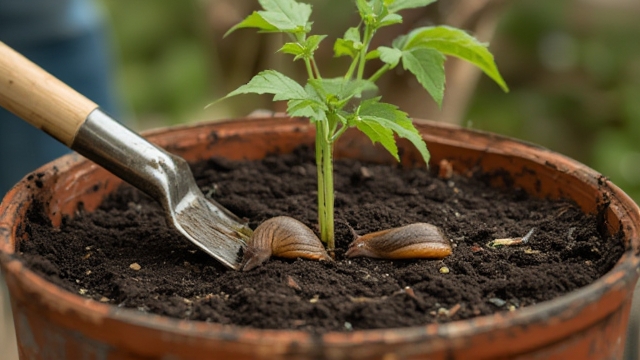
Before implementing your anti-slug strategy, gather these essential materials:
- Copper tape or copper mesh – Creates a mild electrical charge that deters slugs
- Diatomaceous earth (food-grade) – Sharp microscopic edges that slugs avoid
- Beer traps – Shallow containers filled with beer to lure and drown slugs
- Eggshells or crushed gravel – Abrasive barriers around pot rims
- Slug pellets (organic, iron phosphate-based) – Safe for pets and wildlife
- Spray bottle – For applying homemade solutions
- Vaseline or petroleum jelly – Applied to pot rims as a sticky barrier
- Handheld flashlight – For nighttime slug hunting
- Optional: Coffee grounds, citrus peels, or copper fungicide as alternatives
Timing / Growing Schedule
The battle against slugs is seasonal, with peak activity occurring from early spring through late autumn. Here’s your optimal timeline:
- Early Spring: Inspect pots for overwintered slug eggs (tiny white spheres) and remove them immediately
- Late Spring: Apply preventative barriers as new growth emerges
- Summer: Monitor nightly during humid or rainy periods—slugs are most active after dark
- Fall: Clean pots thoroughly and remove debris to reduce overwintering sites
Consistency is key. Implement your chosen method at the start of the growing season and maintain it throughout, especially after rainfall or watering.
Step-by-Step Instructions
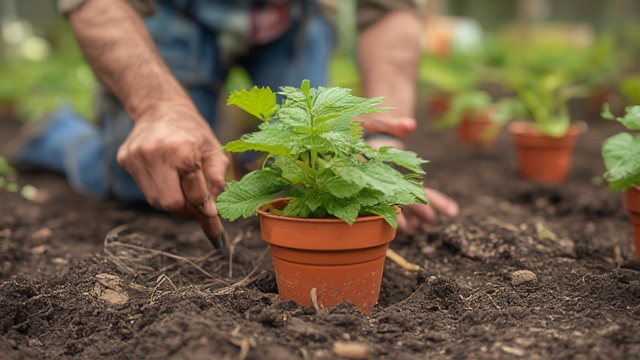
Step 1: Clean and Assess
Remove dead leaves, debris, and decaying plant matter from pots and surrounding areas. Slugs hide in these spots during daylight hours.
Step 2: Apply Copper Barriers
Wrap copper tape or mesh around the rim of each pot. Ensure no gaps exist—slugs can squeeze through even small openings. Copper reacts with slug slime, creating an uncomfortable tingling sensation.
Step 3: Create Abrasive Borders
Sprinkle diatomaceous earth or crushed eggshells in a 1-inch band around pot bases. Reapply after rain, as moisture reduces effectiveness.
Step 4: Set Beer Traps
Bury shallow containers (yogurt cups work well) so the rim sits at soil level. Fill with beer—yeast attracts slugs. Check and replace every few days.
Step 5: Night Patrol
Arm yourself with a flashlight and hunt slugs manually after dusk. Relocate them far from your garden or dispatch humanely in salt water.
Step 6: Apply Organic Pellets
If problems persist, scatter iron phosphate pellets according to package directions. These break down into soil nutrients and are safe for edible gardens.
Tips, Alternative Methods, or Gardening Advice
- Container placement matters: Position pots on hard surfaces like patios or decks rather than directly on soil
- Water in the morning: Allows soil to dry before evening, making conditions less inviting
- Embrace companion planting: Herbs like rosemary, sage, and thyme naturally repel slugs
- Try homemade sprays: Mix water with a few drops of essential oils (eucalyptus, lavender, or peppermint) and spray around pot bases
- Consider copper fungicides: Liquid copper sprays create a protective film on soil surfaces
Common Mistakes to Avoid
- Using table salt directly on plants: This burns foliage and damages soil
- Applying diatomaceous earth when wet: It becomes ineffective until dried
- Neglecting pot undersides: Slugs often crawl up from underneath—ensure full coverage
- Relying on one method: Combining multiple strategies yields better results
- Overwatering: Soggy soil is an open invitation to slugs
Storage / Maintenance Tips
Store unused slug control products in cool, dry locations away from pets and children. Inspect copper barriers monthly for corrosion or gaps, replacing as needed. At season’s end, thoroughly clean all pots with a 10% bleach solution to eliminate any remaining eggs or pathogens.
Conclusion
Slugs don’t have to win—and with these proven simple fixes, they won’t. By understanding their behavior and implementing layered defenses, you can protect your flower pots and enjoy blooming success all season. Ready to put these strategies to the test? Try combining copper barriers with beer traps for maximum protection, and share your results in the comments below. Happy gardening!
FAQs
Q: Are coffee grounds effective against slugs?
A: Coffee grounds can deter slugs due to caffeine and texture, but results vary. They’re best used as a supplement to other methods.
Q: Will copper tape damage my pots?
A: No, copper tape is safe for all pot materials. It may leave a green patina over time, which is purely cosmetic.
Q: How often should I reapply diatomaceous earth?
A: Reapply every 1-2 weeks or after heavy rainfall. Check effectiveness by seeing if it remains powdery.
Q: Can I use salt to kill slugs on my pots?
A: Avoid direct application on plants. Salt can accumulate in soil and harm beneficial organisms.
Q: What’s the fastest way to see results?
A: A combined approach of copper barriers, nighttime hand-picking, and beer traps typically shows results within 3-5 days.