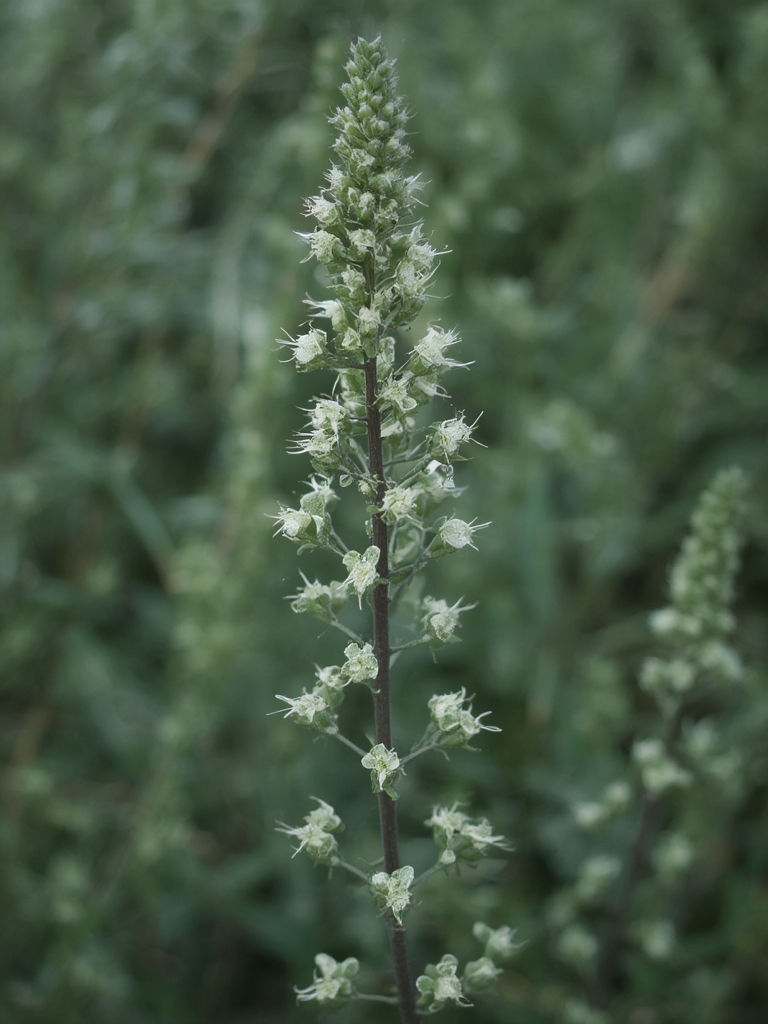

Have you ever reached for fresh sage while cooking only to find a dried-up, flavorless store-bought version? Growing your own sage at home transforms your culinary experience while providing a beautiful, aromatic addition to your garden. Sage (Salvia officinalis) is one of the most rewarding herbs to cultivate, offering both culinary versatility and medicinal benefits. This Mediterranean perennial doesn’t just elevate your cooking—it attracts beneficial pollinators and adds a silvery-green texture to your landscape that few other herbs can match.
Table of Contents
Materials & Supplies
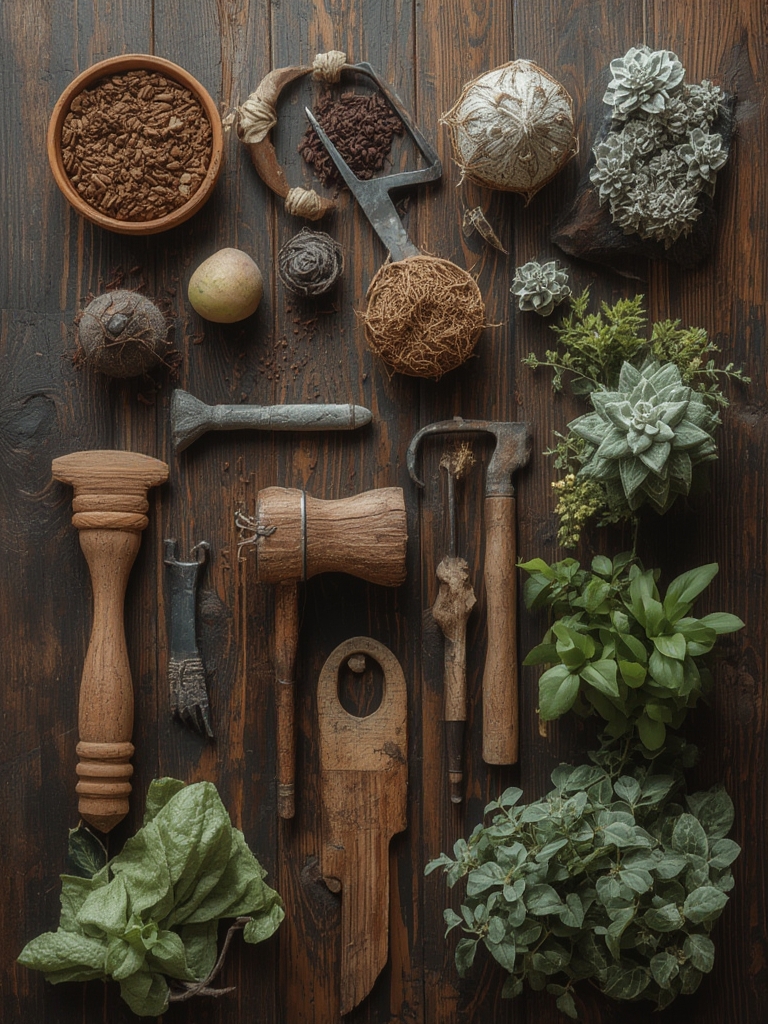
To create a thriving sage patch, you’ll need:
- Sage seeds or seedlings: Young plants establish faster, but seeds offer variety options
- Well-draining soil: A mix of regular potting soil with 30% perlite or coarse sand
- Containers or garden space: Terracotta pots (minimum 8″ diameter) or a sunny garden plot
- Pruning shears: Sharp, clean tools for proper harvesting
- Organic fertilizer: Slow-release, low-nitrogen variety (too much nitrogen reduces flavor)
- Watering can: With a gentle sprinkler head to avoid waterlogging
- Mulch: Pine needles or small pebbles work well for Mediterranean herbs
Timing / Growing Schedule
Sage is best planted in spring after all frost danger has passed when soil temperatures reach about 60°F (15°C). From seed to first harvest typically takes 75-80 days, while seedlings may provide usable leaves in just 4-6 weeks. Unlike basil or cilantro, sage is a perennial that becomes more productive in years two and three, often living 3-5 years before becoming woody and less productive. Plan your sage growing to coincide with other perennial herbs like rosemary and thyme for a coordinated herb garden schedule.
Step-by-Step Instructions
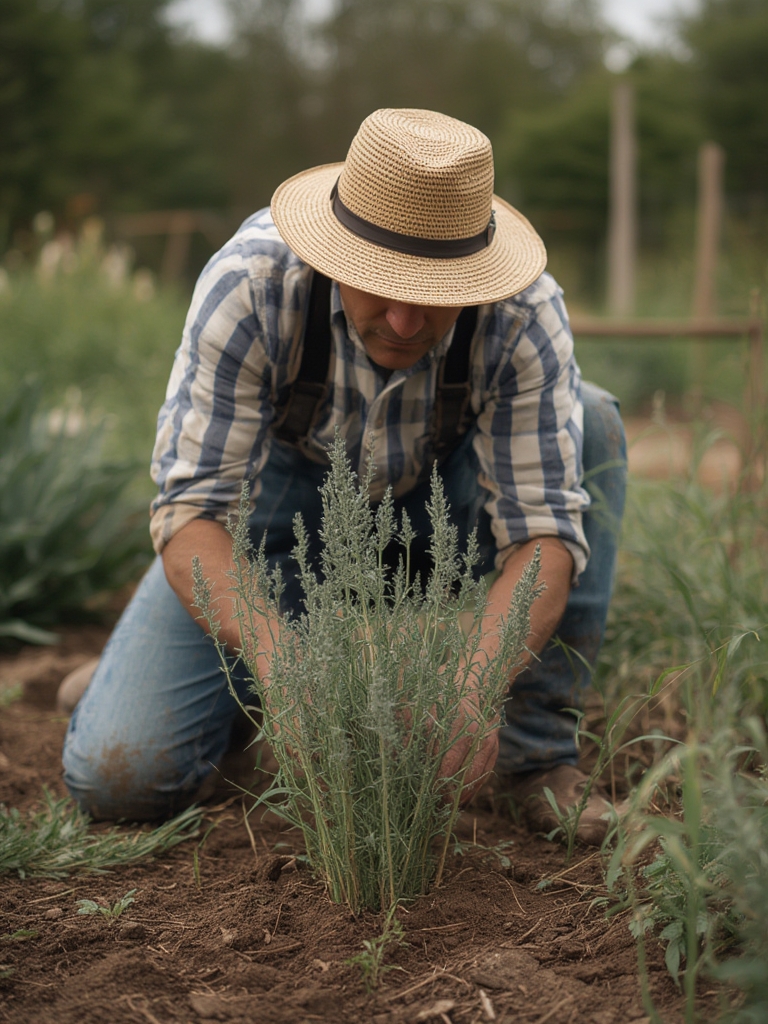
Choose your planting location: Select a spot receiving 6-8 hours of direct sunlight daily. Sage prefers slightly warm, dry conditions similar to its Mediterranean origins.
Prepare your soil: Mix garden soil with coarse sand or perlite to create excellent drainage. Sage roots rot in wet conditions, so raised beds work particularly well.
Plant with proper spacing: Position plants 18-24 inches apart to allow good air circulation. When planting seedlings, set them at the same depth they were in their nursery pots.
Water correctly: After planting, water thoroughly but allow the soil to dry between waterings. Touch the soil an inch below the surface—if it’s dry, it’s time to water.
Mulch appropriately: Apply a light layer of inorganic mulch like pebbles rather than moisture-retaining organic materials like bark.
Prune for bushiness: When plants reach 6 inches tall, pinch the tips to encourage branching. This creates a fuller, more productive herb.
Nutritional Benefits
Sage isn’t just flavorful—it’s packed with health benefits. Rich in vitamins A, C, E, and K plus minerals like magnesium and zinc, sage has been used medicinally for centuries. Its antioxidant properties support memory and cognitive function, while its anti-inflammatory compounds may help with digestive issues. Growing your own ensures you have access to the freshest, most potent form of this beneficial herb.
Tips and Alternative Methods
For container growing, choose wide rather than deep pots since sage has a spreading root system. In humid climates, provide extra space between plants and avoid overhead watering to prevent powdery mildew. Consider companion planting sage with cabbage, carrots, or strawberries—it helps deter pests. For indoor growing, use a south-facing window and a terracotta pot to help maintain the drier conditions sage prefers.
Common Mistakes to Avoid
- Overwatering: More sage plants die from excess moisture than drought
- Overfertilizing: Reduces essential oil content and flavor intensity
- Insufficient pruning: Leads to woody, less productive plants
- Late-season harvesting: Avoid major harvests after mid-August to allow plants to prepare for winter
Storage / Maintenance Tips
Harvest sage in the morning when oils are most concentrated. Store fresh leaves in the refrigerator wrapped in slightly damp paper towels for up to a week. For long-term storage, dry bundles upside down in a well-ventilated, dark area. Every spring, prune back woody stems by one-third to rejuvenate plants. Apply a light organic fertilizer once yearly in early spring.
Conclusion
Growing sage rewards you with a beautiful, aromatic herb that enhances both your cooking and garden. Its minimal care requirements and perennial nature make it perfect for beginner and experienced gardeners alike. Start your sage patch this season and discover the difference that truly fresh herbs make in your culinary creations. Have you grown sage before? Share your experience in the comments!
FAQs
How often should I water my sage plants?
Allow soil to dry completely between waterings—typically every 1-2 weeks depending on climate and container size.
Why are my sage leaves turning yellow?
Yellowing leaves usually indicate overwatering. Reduce frequency and ensure excellent drainage.
Can I harvest sage in the first year?
Yes, but lightly. Take just a few leaves initially, increasing harvest in subsequent years as the plant establishes.
Does sage grow well indoors?
It can succeed indoors with 6+ hours of direct sunlight daily and proper drainage, though plants remain smaller than outdoor specimens.