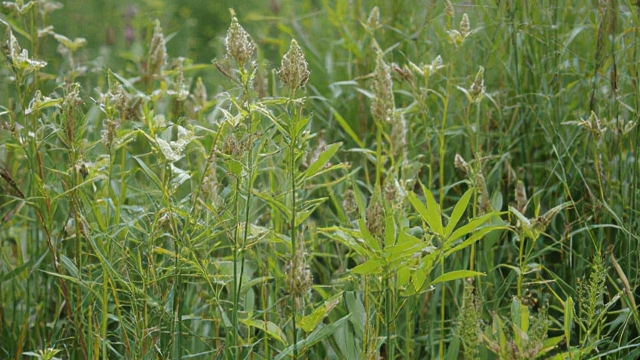

Are stubborn weeds taking over your garden season after season? You’re not alone—perennial weeds are among the most frustrating challenges homeowners face when trying to maintain a beautiful yard. Unlike annual weeds that complete their life cycle in one year, perennial weeds return year after year, developing deep root systems that make them notoriously difficult to eliminate. Understanding how to tackle these persistent invaders is essential for anyone who wants a healthy, thriving garden. In this comprehensive guide, we’ll explore proven methods to remove perennial weeds for good, saving you time, money, and endless frustration. Perennial weeds can be defeated with the right approach and persistence.
Table of Contents
Materials & Supplies

Before tackling perennial weeds, gather the essential tools that will make your eradication efforts more effective:
- Garden hoe – Ideal for cutting weeds off at the root just below the soil surface
- Hand trowel or weeding knife – Perfect for digging out deep taproots like dandelions
- Garden fork – Helps loosen soil and remove spreading root systems
- Spray bottle or garden sprayer – For applying herbicides or homemade solutions
- Mulch (organic or synthetic) – Smothers weeds and prevents regrowth
- Landscape fabric – Creates a barrier against weed growth
- Herbicide (selective or non-selective) – Targets persistent perennial weeds
- Gloves and knee pad – Protects you during extended gardening sessions
Optional items include a heat gun for spot treatment, a flame weeder for larger areas, and a wheelbarrow for disposing of removed vegetation.
Timing / Growing Schedule
The best time to attack perennial weeds depends on the specific weed and your chosen method:
Early Spring (March–April): Begin treatment when weeds are actively growing but before they flower. This is ideal for applying herbicides, as plants are transporting nutrients to their roots.
Late Spring to Early Summer: Hand-digging is most effective after rain when soil is loose. Weeds are small and root systems haven’t fully developed.
Mid-Summer: Use mulching and solarization methods when heat is intense. Covering weeds traps heat and kills them.
Fall (September–October): This is actually the most critical time for control. Weeds are storing energy in their roots for winter, making herbicide applications highly effective.
Plan for 2-3 treatment cycles per season for stubborn infestations, with complete eradication taking 1-2 seasons depending on the weed density.
Step-by-Step Instructions
1. Identify the Enemy
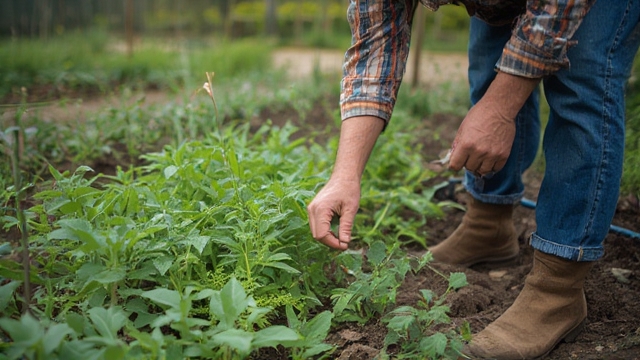
Before taking action, identify which perennial weeds you’re dealing with. Common culprits include dandelions (taproot), creeping charlie (spreading stems), bindweed (entangling vines), and quackgrass (spreading rhizomes). Each requires slightly different removal strategies.
2. Hand-Dig Deep Root Systems
For weeds like dandelions, use a hand trowel or garden fork. Insert the tool at an angle about 4-6 inches from the weed, then lever upward while grasping the base. Remove the entire root—any remaining pieces can regenerate into new plants.
3. Deplete Energy Reserves
After removal, stress the weeds by repeatedly cutting off new growth at soil level whenever appears. This forces the plant to use stored energy in its roots, eventually depleting and killing it.
4. Apply Post-Emergent Herbicide
For widespread infestations, apply a post-emergent herbicide directly to weed leaves. Choose products containing glyphosate for general control or selective herbicides for lawn use. Apply when plants are dry and weather is calm.
5. Cover and Exclude Light
After removing visible weeds, apply mulch (3-4 inches deep) or landscape fabric to prevent regrowth. This blocks photosynthesis and smothers any remaining roots.
Advantages of a Weed-Free Garden
Removing perennial weeds offers significant benefits beyond aesthetic appeal. A weed-free garden reduces competition for water, nutrients, and sunlight, allowing your desired plants to thrive more vigorously. You’ll dramatically decrease pest populations, as many weeds harbor insects that attack ornamental plants. Additionally, maintaining weed-free beds reduces your workload long-term—prevention is far easier than eradication. Finally, a well-maintained landscape increases your property value and neighborhood pride.
Tips, Alternative Methods, or Gardening Advice
Container Gardening: For severe infestations, consider growing plants in raised beds or containers filled with sterile potting mix. This bypasses contaminated soil entirely.
Organic Methods: Use white vinegar (5% acidity) for spot treatments, or apply corn gluten meal in early spring as a pre-emergent. Boiling water poured directly on weeds effectively kills them without chemicals.
Solarization: In hot summer months, wet the area, cover with clear plastic, and leave for 4-6 weeks. Heat builds up and kills weeds, seeds, and roots.
Small Spaces: Focus on dense planting—groundcovers and thick mulching leave no room for weeds to establish.
Common Mistakes to Avoid
- Leaving root fragments: Always remove the entire root system; breaking roots creates more plants
- Working wet soil: Treading on wet soil compacts it and damages soil structure
- Ignoring integrated approaches: Relying solely on herbicides leads to resistant weeds
- Neglecting follow-up: One treatment isn’t enough—monitor and retreat as needed
- Mulching too thin: Less than 2 inches allows light penetration and weed growth
Storage / Maintenance Tips
After achieving a weed-free garden, maintain your victory through consistent practices. Apply fresh mulch annually to maintain a 3-4 inch depth. Inspect beds weekly during growing season and immediately remove any new sprouts. Edge your beds to create barriers preventing grass and weed encroachment. For ongoing weed prevention, consider applying pre-emergent herbicides in early spring before weed seeds germinate. Keep pathways compacted or covered to prevent weed establishment in high-traffic areas.
Conclusion
Perennial weeds don’t have to rule your garden. With patience, persistence, and the techniques outlined above, you can reclaim your outdoor space and keep it looking its best year after year. Remember that successful weed control is a marathon, not a sprint—consistency is your greatest ally. Start with the most affected areas, work systematically, and celebrate small victories as you notice reduced weed pressure. Ready to transform your garden? Share your weed-fighting experiences in the comments below, and don’t forget to explore our related guides on lawn care and organic gardening for more tips!
Frequently Asked Questions
How long does it take to completely eliminate perennial weeds?
Depending on the weed type and infestation severity, complete eradication typically takes 1-3 growing seasons. Persistent treatment and preventing reseeding accelerate results.
Will pulling weeds make them grow back stronger?
Hand-pulling can stimulate growth if root fragments remain. Always remove the entire root system, or use methods that deplete root energy stores through repeated cutting.
Is chemical herbicide safe for pets and children?
Most herbicides are safe once dry, but keep pets and children away during application. Consider organic alternatives if you’re concerned about chemical exposure.
What’s the most effective perennial weed killer?
Glyphosate-based herbicides work for most perennial weeds, but repeated applications are often necessary. For organic options, vinegar and boiling water provide temporary control.
Can I use mulch to prevent perennial weeds from returning?
Yes! Organic mulch (straw, wood chips) or landscape fabric effectively prevents perennial weed regrowth by blocking light and smothering root systems. Maintain 3-4 inches for best results.