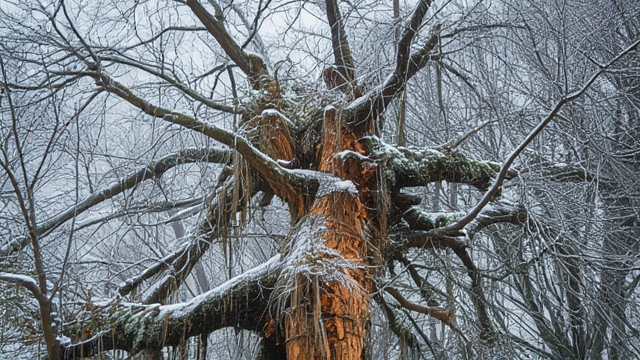

Winter can be a silent killer for your trees. Imagine waking up in spring to find split trunks, broken branches, or trees that simply didn’t survive the cold. That devastation is more common than you might think—millions of trees suffer winter tree damage each year, leaving homeowners with expensive removals and lifeless landscapes. The good news? Most of this damage is entirely preventable with the right knowledge and a few simple steps.
Whether you’re a seasoned gardener or a first-time homeowner, protecting your trees from winter’s harsh elements is essential for maintaining a healthy, beautiful yard year-round. In this guide, we’ll walk you through everything you need to know to shield your trees from snow, ice, wind, and freezing temperatures. Let’s dive in.
Table of Contents
Materials & Supplies
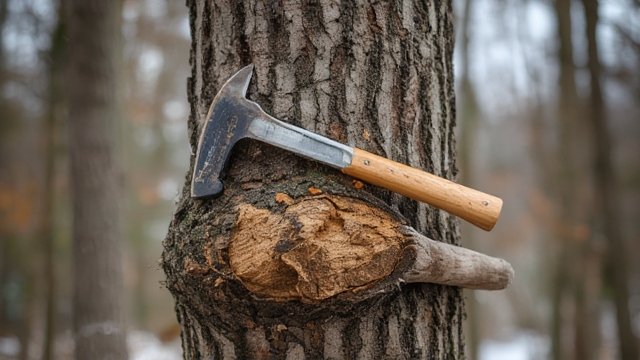
To effectively protect your trees from winter damage, gather these essential materials before the first frost arrives:
- Tree wrap or burlap – Insulates trunk bark from freeze-thaw cycles
- Mulch – Organic mulch like wood chips or straw regulates soil temperature
- Pruning shears and saws – For removing dead or weak branches before winter
- Stakes and ties – Supports young or newly planted trees against wind
- Anti-desiccant spray – Helps evergreen trees retain moisture
- Fertilizer – Late-fall application strengthens root systems
- Garden hose – For watering trees before the ground freezes
- Optional: Tree guards, snow fences for evergreens, or rope for bundling delicate branches
Having these supplies ready in late autumn will ensure you’re prepared when temperatures drop.
Timing / Growing Schedule
Timing is critical when it comes to preventing winter tree damage. Here’s your seasonal timeline:
- Late September to October: Inspect trees for existing damage, pests, or disease
- Early to mid-November: Apply mulch and wrap vulnerable tree trunks
- Late November: Complete all pruning tasks before freezing temperatures arrive
- December through February: Monitor conditions after heavy snow or ice storms
- Early March: Remove wraps gradually as temperatures warm
The entire preparation process takes most homeowners 2-4 hours per tree, depending on size and quantity. Starting early is always better than reacting to sudden cold snaps.
Step-by-Step Instructions
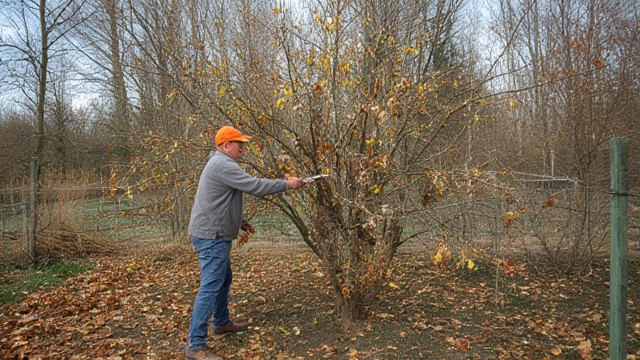
Follow these proven steps to protect your trees effectively:
Inspect Thoroughly – Walk your property and examine each tree for cracks, dead branches, cavities, or signs of disease. Damaged areas worsen during winter.
Prune Strategically – Remove dead, diseased, or crossing branches. This prevents them from becoming ice-loaded hazards that can split and damage healthy wood.
Water Deeply – Give trees a thorough watering before the ground freezes. Well-hydrated trees tolerate cold stress significantly better than dehydrated ones.
Apply Mulch Correctly – Spread 2-4 inches of organic mulch in a ring around the base, keeping it 2-3 inches away from the trunk. This insulates roots and maintains consistent soil moisture.
Wrap Tree Trunks – Starting at the ground, wrap young or thin-barked trees (maples, birches, ash) upward to the first branch. Secure with tape and remove in spring.
Protect Evergreens – Use burlap screens on the windward side of evergreen trees to prevent desiccation (drying out) from harsh winter winds.
Stake Young Trees – Install stakes and ties to prevent root movement and trunk damage from strong winds or ice accumulation.
Avoid Salt Damage – Use calcium chloride instead of sodium chloride near tree roots, or create diversion channels for salted runoff.
Tips, Alternative Methods, or Gardening Advice
- Container Trees: Move potted trees to sheltered areas like garages or porches during extreme cold spells
- Small Spaces: Focus protection on the most vulnerable young trees nearest to structures or walkways
- Alternative Methods: Consider using tree tubes or protective shelters for newly planted saplings
- Climate Variations: In regions with heavy snowfall, gently brush off accumulated snow from branches to prevent bending or breakage
- Organic Approach: Use compost and organic fertilizers to build soil health, which naturally strengthens tree resilience
Common Mistakes to Avoid
- Wrapping too late – Tree wrap applied after freeze-thaw cycles begin provides little benefit
- Over-mulching – Piling mulch against the trunk creates moisture and encourages rot and pest problems
- Pruning too early – Late summer or early fall pruning stimulates new growth that won’t harden off before winter
- Ignoring evergreens – Many homeowners focus on deciduous trees and forget that evergreens are equally vulnerable to winter desiccation
- Neglecting root care – Healthy roots equal healthy trees; always prioritize deep watering before freeze
Storage / Maintenance Tips
During winter, perform periodic checks after storms. Remove any broken branches promptly to prevent disease entry. Keep sidewalks and driveways cleared of salt, and redirect plow discharge away from tree bases. In early spring, gradually remove wraps and mulch to allow soil to warm naturally. Resume regular watering as temperatures rise, and apply fresh mulch as needed to maintain a 2-4 inch depth.
Conclusion
Protecting your trees from winter damage doesn’t require advanced expertise or expensive equipment—it just requires knowing what to do and when to do it. By following these simple steps, you’ll preserve your landscape investment, avoid costly removals, and enjoy healthier trees that thrive year after year. Don’t wait until the first snowfall to take action. Start your winter tree protection today, and share your experience with fellow homeowners!
Ready to transform your yard? Explore our other guides on seasonal tree care, landscaping tips, and garden maintenance to create the outdoor space you’ve always wanted.
FAQs
When should I start preparing my trees for winter?
Begin your winter protection efforts in mid-to-late fall, ideally after leaves have dropped but before the first hard freeze, usually around late October or early November.
Can I use plastic tree wraps instead of burlap?
While plastic wraps are available, breathable materials like burlap or specialized tree wrap are preferred as they provide insulation while preventing moisture buildup that can lead to fungal problems.
How do I know if my tree is already damaged?
Look for cracks in the trunk, peeling bark, dead branches without foliage in summer, or visible cavities. A certified arborist can provide a professional assessment if you’re uncertain.
Should I fertilize trees in winter?
No, avoid fertilizing in late fall or winter as this stimulates new growth that cannot harden off before cold weather. Apply fertilizer in early spring instead.
What’s the most common cause of winter tree death?
Winter desiccation (drying out) is a leading cause, particularly for evergreens. Combined with freeze-thaw damage and physical snow/ice load, these factors account for most winter tree losses.