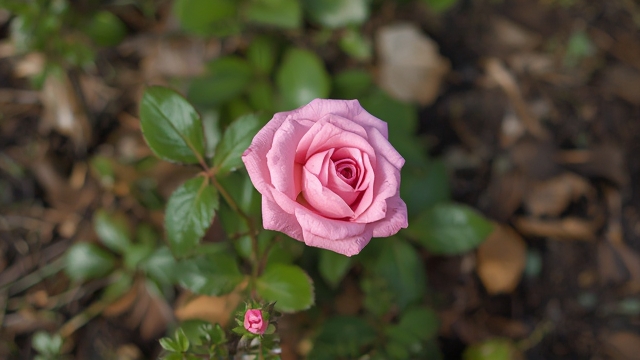

Are you searching for a stunning, low-maintenance groundcover that transforms your garden into a blanket of color? The Rose ‘Meijocos’ Groundcover might be exactly what you need. This exceptional variety, also known as Pink Drift or Popcorn Drift Rose, offers continuous blooms, excellent disease resistance, and a spreading habit perfect for slopes, borders, or containers. Whether you’re a seasoned gardener or a beginner, growing this rose at home delivers year-round beauty with minimal effort—making it a smart investment for any landscape.
Table of Contents
Materials & Supplies
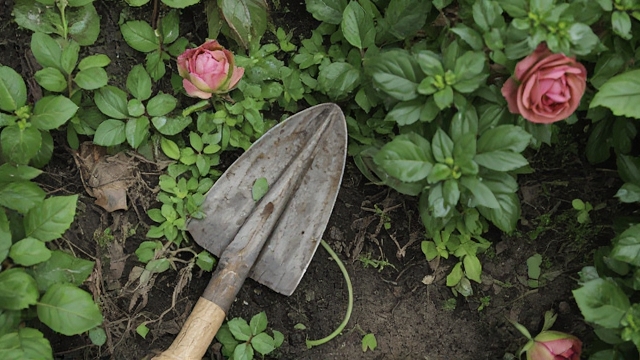
To successfully grow Rose ‘Meijocos’ Groundcover, gather the following essential materials:
- Rose ‘Meijocos’ plants – Purchase healthy, disease-free specimens from nurseries or online retailers
- Well-draining soil – Loamy or sandy soil with pH 6.0-7.0
- Compost – Aged organic matter for soil amendment
- Mulch – Wood chips or shredded bark to retain moisture and suppress weeds
- Balanced fertilizer – Slow-release granular fertilizer (10-10-10 or rose-specific formula)
- Pruning shears – Clean, sharp bypass pruners
- Watering can or garden hose – For consistent irrigation
- Garden gloves – Protective gloves for handling plants
Optional items: Liquid seaweed extract for root establishment, rose collars for fungal protection, and trellises for trained growth patterns.
Timing / Growing Schedule
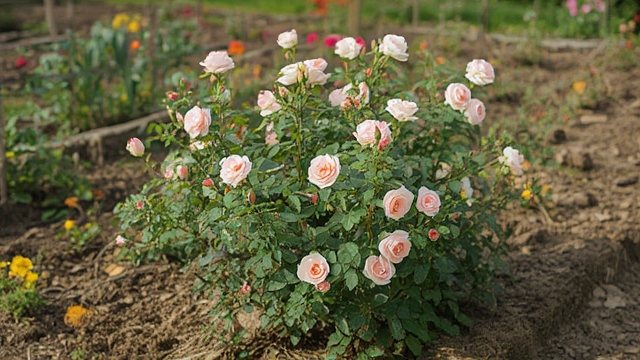
The optimal planting window for Rose ‘Meijocos’ Groundcover spans early spring through late fall, with spring planting offering the best establishment results. Plan for a 12-16 week establishment period before the plant reaches full vigor. In temperate climates, expect the first significant bloom cycle approximately 8-10 weeks after planting. This groundcover reaches maturity in 2-3 years, spreading up to 3 feet wide while maintaining a compact 1-2 foot height.
Step-by-Step Instructions
Step 1: Choose the Right Location
Select a spot receiving full sun to partial shade (minimum 4-6 hours direct sunlight). Ensure adequate air circulation to prevent fungal issues.
Step 2: Prepare the Soil
Amend heavy clay or sandy soil with 2-3 inches of compost. Test drainage by digging a hole, filling it with water, and checking absorption—roses absolutely require well-draining conditions.
Step 3: Plant Properly
Dig a hole twice the width of the root ball. Position the rose so the graft union sits just below soil level. Backfill, firm gently, and water deeply.
Step 4: Apply Mulch
Spread 2-3 inches of mulch around the base, keeping it 2 inches away from the stem. This maintains soil moisture and regulates temperature.
Step 5: Water Consistently
Water deeply 1-2 inches weekly, adjusting for rainfall. Avoid overhead watering to prevent leaf diseases.
Step 6: Feed Strategically
Apply balanced fertilizer in early spring and again after the first major bloom cycle. Follow package directions carefully to prevent fertilizer burn.
Nutritional Benefits / Advantages
Rose ‘Meijocos’ Groundcover offers significant garden advantages beyond aesthetics. Its dense growth habit suppresses weeds naturally, reducing maintenance needs. The abundant blooms attract pollinators including bees and butterflies, supporting local ecosystems. Additionally, groundcover roses help prevent soil erosion on slopes and banks while creating habitat for beneficial insects.
Tips, Alternative Methods, or Gardening Advice
- Container gardening: Use a 12-inch minimum container with drainage holes; ensure potting mix includes perlite for drainage
- Organic methods: Apply neem oil for pest control and compost tea for natural nutrition
- Cold climate adjustments: Mulch heavily in winter and consider rose cones in zones below 5
- Small spaces: Plant in hanging baskets or window boxes for vertical color displays
Common Mistakes to Avoid
- Overwatering – Leads to root rot; always check soil moisture before watering
- Improper pruning – Never remove more than one-third of the plant; prune in late winter
- Ignoring disease signs – Address black spot or powdery mildew immediately with Funginex
- Planting too deeply – The graft union must remain above soil level
Storage / Maintenance Tips
For harvested rose petals (used in culinary or cosmetic applications), store in airtight containers in a cool, dark place for up to 2 weeks. For ongoing plant maintenance:
- Prune in early spring, removing dead wood and shaping
- Deadhead spent blooms to encourage continuous flowering
- Reapply mulch annually as it decomposes
- Winter protection: In cold climates, mound soil 6 inches around base after hard frost
Conclusion
Growing Rose ‘Meijocos’ Groundcover rewards gardeners with months of vibrant color, minimal maintenance, and ecological benefits. By following these proven steps and avoiding common pitfalls, you’ll establish a thriving groundcover that enhances your landscape for years. Ready to transform your garden? Start planting this spring and share your results—your neighbors will surely ask for your secret!
FAQs
How fast does Rose ‘Meijocos’ spread?
This variety spreads approximately 1-2 feet per year once established, reaching full width of 3 feet within 2-3 years.
Is Rose ‘Meijocos’ deer-resistant?
While no rose is completely deer-proof, this variety shows moderate resistance due to its fragrant blooms and slightly textured foliage.
Can I grow Rose ‘Meijocos’ indoors?
Groundcover roses require significant sunlight and air circulation; indoor growing is generally unsuccessful. However, you can enjoy container specimens on sunny patios or balconies.
When does Rose ‘Meijocos’ bloom?
This repeat-bloomer produces flowers from late spring through frost, with peak blooming in early summer and September.
How do I propagate Rose ‘Meijocos’?
Take 6-8 inch softwood cuttings in early summer, dip in rooting hormone, and plant in moist potting mix. Rooting typically occurs within 4-6 weeks.