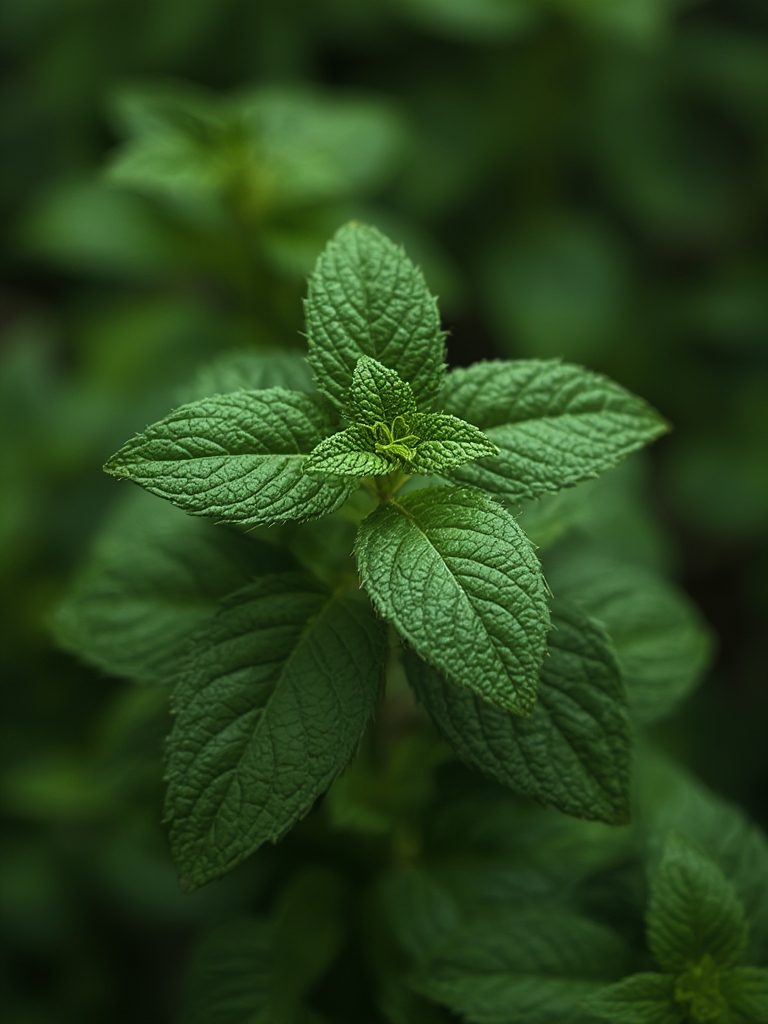

Have you ever planted mint in your garden only to find it spreading everywhere within weeks? Mint’s vigorous growth habit makes it both a blessing and a challenge for home gardeners. This aromatic herb adds fresh flavor to dishes, teas, and cocktails, making it a valuable addition to any kitchen garden. However, its aggressive spreading nature can quickly turn it from garden darling to invasive nightmare. The good news is that you can successfully grow mint without surrendering your entire garden to its dominating presence. Let’s explore how to enjoy this versatile herb while keeping it well-contained.
Table of Contents
Materials & Supplies
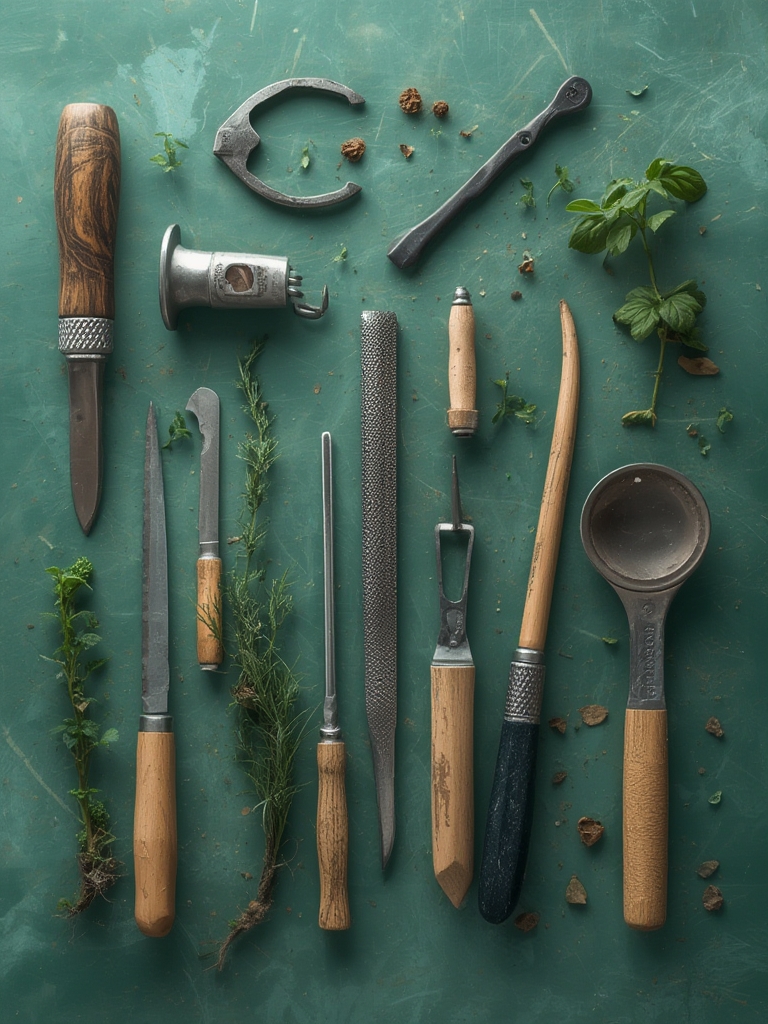
To grow mint successfully while preventing garden takeover, you’ll need:
- Containers: 8-12 inch deep pots with drainage holes (ceramic, plastic, or fabric)
- Barrier material: Plastic garden edging (at least 10 inches deep) if planting in ground
- Potting mix: Well-draining soil with organic matter
- Mint plants/cuttings: Spearmint, peppermint, or specialty varieties
- Pruning shears: Clean, sharp scissors or gardening snips
- Watering can or hose: For regular irrigation
- Organic fertilizer: Balanced, slow-release type (optional)
- Mulch: Organic material to retain moisture (optional)
- Sunken containers: Large plastic pots with bottoms removed (for in-ground containment)
Timing / Growing Schedule
Mint grows best when planted in spring after the last frost. From planting to first harvest typically takes 4-6 weeks. Once established, mint grows vigorously throughout summer and into fall in most climates. Unlike many herbs that require replanting each year, mint is perennial in zones 3-8, returning year after year with proper care. Even in cooler regions, mint often reappears earlier than other perennial herbs, making it one of the first fresh herbs available in your garden each spring.
Step-by-Step Instructions
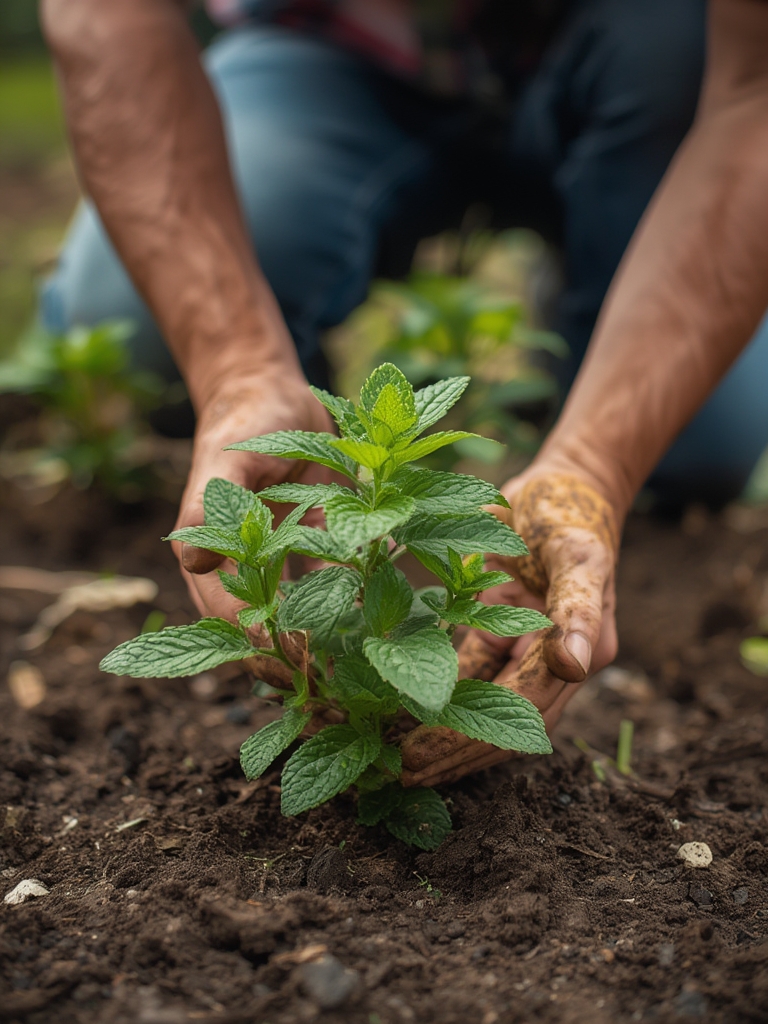
Select your containment method: Choose between container planting (recommended) or in-ground with barriers.
Tip: Sunken containers with bottoms removed offer the look of garden planting with containment benefits.Prepare your container: Fill with good-quality potting mix, leaving 1 inch of space at the top.
Tip: Add slow-release fertilizer during planting for season-long nutrients.Plant mint properly: Position plants or cuttings at the same depth as they were in their nursery containers.
Tip: Space multiple plants at least 12 inches apart, even in containers.Water thoroughly: Soak until water drains from the bottom, ensuring soil is evenly moist.
Tip: Mint prefers consistent moisture but not waterlogged conditions.Position strategically: Place containers in locations receiving morning sun and afternoon shade in hot climates.
Tip: In cooler regions, mint can handle full sun with adequate water.Maintain vigilantly: Trim regularly and watch for runners escaping containers.
Tip: Harvest from the top down, removing up to 1/3 of the plant at a time.
Nutritional Benefits
Mint offers more than just flavor. It’s rich in antioxidants and contains vitamin A, folate, and small amounts of iron and manganese. Its menthol content aids digestion, potentially reducing symptoms of IBS. Growing mint at home ensures you have a fresh, pesticide-free source of this beneficial herb. Additionally, mint plants attract beneficial pollinators to your garden while repelling pest insects like mosquitoes, ants, and flies.
Tips and Alternative Methods
For apartment dwellers, mint thrives in window boxes or hanging baskets, where its trailing habit becomes decorative. Consider growing mint indoors year-round near a sunny window, ensuring excellent air circulation to prevent powdery mildew. In hot climates, mint appreciates afternoon shade, while in cool regions, it can handle full sun with adequate moisture. For visual variety, combine different mint types like chocolate mint, apple mint, or pineapple mint in the same container, creating an aromatic mint garden.
Common Mistakes to Avoid
Planting directly in garden beds: Without barriers, mint will spread through underground rhizomes.
Solution: Use containers or install deep barriers.Inadequate containment depth: Shallow barriers won’t stop mint’s determined roots.
Solution: Ensure barriers extend at least 10 inches deep.Neglecting regular harvesting: Unharvested mint becomes leggy and less productive.
Solution: Harvest frequently to encourage bushy growth.Overwatering: While mint likes moisture, soggy conditions cause root rot.
Solution: Ensure containers drain well and allow soil to dry slightly between waterings.Ignoring container escapees: Mint that roots beyond its container will establish quickly.
Solution: Check regularly for trailing stems touching soil and trim them promptly.
Storage / Maintenance Tips
Keep mint productive by harvesting regularly, removing flower stalks to prevent self-seeding. Water consistently when the top inch of soil feels dry. Fertilize monthly during growing season with half-strength balanced fertilizer. In late fall, cut plants back to 2 inches above soil level. For cold climates, bring containers indoors or provide thick mulch protection. Divide container-grown mint every 2-3 years in spring to refresh plants and prevent them from becoming root-bound.
For storage, refrigerate fresh mint stems in water like cut flowers for up to a week. Alternatively, freeze chopped leaves in ice cube trays with water or dry them for tea by hanging bunches upside down in a dark, well-ventilated area.
Conclusion
Growing mint successfully requires strategic containment, but the rewards are worth the effort. By using containers or barriers and maintaining vigilant garden practices, you can enjoy this versatile herb without it colonizing your entire garden. The fresh flavor of homegrown mint in summer drinks, desserts, and savory dishes simply can’t be matched by store-bought alternatives. Start your mint garden today using these containment strategies, and enjoy years of abundant harvests.
FAQs
Can I grow different varieties of mint next to each other?
Yes, but they may cross-pollinate if allowed to flower, potentially affecting flavor in future generations. Keep varieties separated or deadhead flowers to prevent this.
How often should I water my potted mint?
Check soil moisture every 2-3 days during growing season. Water when the top inch feels dry, typically 2-3 times weekly during summer months, less in cooler weather.
Will mint grow well indoors year-round?
Yes, with sufficient light (at least 6 hours daily). Use a south-facing window or supplement with grow lights during winter months. Maintain higher humidity by misting or using a pebble tray.
Can I rejuvenate an older, woody mint plant?
Absolutely. Cut it back to 2 inches above soil level in early spring. This stimulates fresh, tender growth and reinvigorates the plant. Consider dividing and replanting sections with the healthiest roots.
Why are my mint leaves turning yellow or developing brown spots?
This typically indicates overwatering, poor drainage, or fungal issues. Improve air circulation, reduce watering frequency, and ensure containers drain properly. Remove affected leaves promptly to prevent spread.