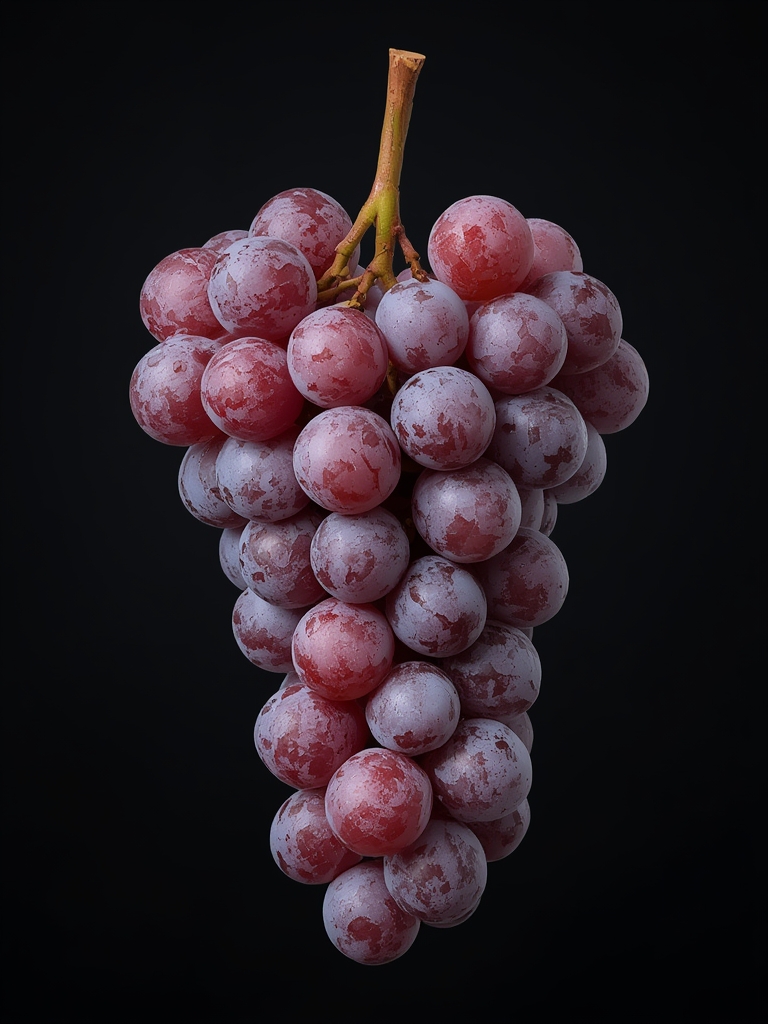

Have you ever imagined plucking juicy, sun-ripened grapes from your own backyard vineyard? Growing grapes at home isn’t just a rewarding hobby—it’s a sustainable way to enjoy these nutritious fruits without the grocery store markup. Whether you dream of making homemade wine, jellies, or simply enjoying fresh grapes straight from the vine, cultivating your own grape plants provides unmatched flavor and satisfaction. With proper care and patience, grape vines can thrive in many climates and provide bountiful harvests for decades.
Table of Contents
Materials & Supplies
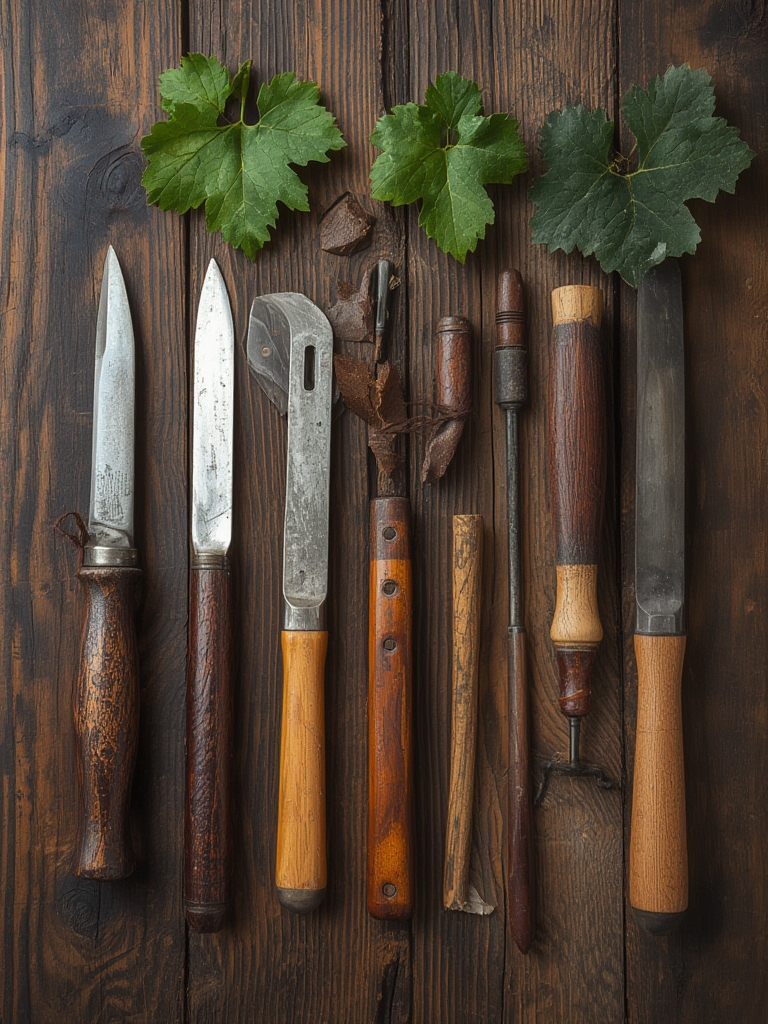
To start your grape-growing journey, gather these essential items:
- Grape vine cuttings or young plants – Choose varieties suited to your climate (European, American, or hybrid)
- Well-draining soil – Ideally with pH between 5.5-7.0
- Compost or organic matter – For soil enrichment
- Sturdy trellis system – T-posts with heavy-gauge wire or a pergola
- Pruning shears – Sharp, clean tools for maintenance
- Watering equipment – Soaker hoses work well for consistent irrigation
- Mulch – Bark chips or straw to retain moisture
- Fertilizer – Low-nitrogen, balanced organic options
- Plant protection – Netting to deter birds once fruit appears
Optional but helpful: pH testing kit, organic fungicide, and a post hole digger for trellis installation.
Timing / Growing Schedule
Grape vines are best planted in late winter to early spring when they’re dormant. From planting to first harvest typically takes 2-3 years, requiring patience but rewarding persistence. Once established, vines can produce for 40+ years with proper care! The annual cycle includes spring growth (March-May), flowering (May-June), fruit development (June-August), and harvest (August-October) depending on your variety and climate zone. Plan for significant winter pruning during dormancy.
Step-by-Step Instructions
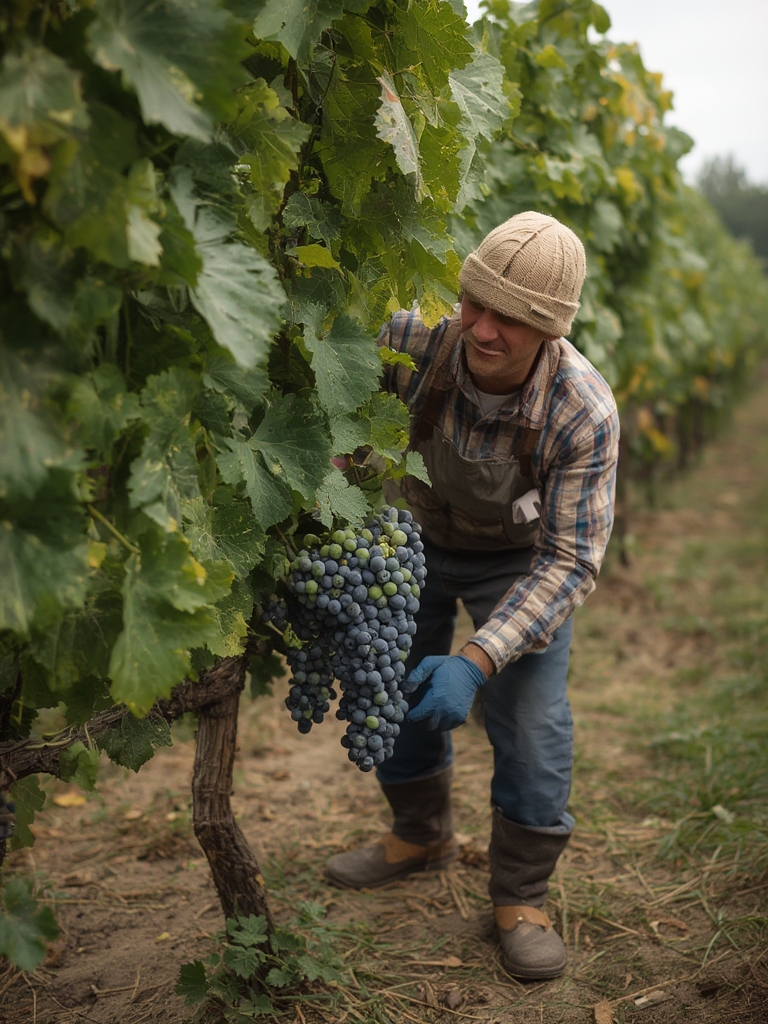
Select your location – Choose a spot with full sun (6+ hours daily) and good air circulation. South-facing slopes are ideal in cooler regions.
Prepare the soil – Test and amend soil to reach proper pH. Mix in compost to improve drainage and fertility. Dig holes twice as wide as root balls.
Install the trellis system – Set up your support structure before planting, using posts spaced 8 feet apart with horizontal wires at 3, 5, and 6 feet heights.
Plant the vines – Space plants 6-8 feet apart. Trim roots if damaged and plant at the same depth as they were grown previously. Water thoroughly.
Train the vines – During the first year, select a strong central shoot and train it upward along the support. Remove competing shoots to focus energy.
Prune aggressively – Master proper pruning techniques—typically removing 80-90% of the previous year’s growth during dormancy to stimulate production.
Maintain and monitor – Water deeply but infrequently, about 1 inch per week during the growing season. Watch for pests and diseases.
Nutritional Benefits
Homegrown grapes offer impressive health benefits, including high levels of antioxidants like resveratrol, which supports heart health. They provide vitamins C and K, potassium, and fiber with no added pesticides when grown organically. The seeds (in seeded varieties) contain beneficial compounds for inflammation reduction, while the skin contains most of the antioxidant properties.
Tips and Alternative Methods
For limited space, consider growing dwarf varieties in containers (minimum 15-20 gallon size). In humid climates, choose disease-resistant American varieties like Concord or Muscadine. For cold regions, try hardy varieties like Marquette or Frontenac. Table grapes generally require less maintenance than wine grapes for beginners. Consider companion planting with herbs like rosemary or thyme to naturally deter some pests.
Common Mistakes to Avoid
- Insufficient pruning – Failing to prune aggressively results in poor fruit production and overcrowded vines.
- Overwatering – Grapes prefer slightly dry conditions; soggy roots lead to disease.
- Improper spacing – Crowding vines reduces air circulation and increases disease risk.
- Neglecting the trellis – Inadequate support leads to ground contact and fruit rot.
- Ignoring soil pH – Incorrect pH limits nutrient availability and stunts growth.
Storage / Maintenance Tips
Water deeply twice weekly during fruit development, then reduce after harvest. Apply 2-3 inches of mulch around vines (keeping away from stems) to retain moisture. Fertilize sparingly in early spring with compost or balanced organic fertilizer. Harvest grapes when fully colored and slightly soft to touch. Fresh grapes store in the refrigerator for 1-2 weeks, or preserve by freezing, dehydrating, or making preserves.
Conclusion
Growing grapes at home connects you to thousands of years of cultivation tradition while providing nutritious, homegrown fruit. With proper setup, regular maintenance, and patience during the establishment years, your grape vines will reward you with decades of beautiful foliage and abundant harvests. Start your grape-growing adventure this season and experience the satisfaction of creating your own backyard vineyard.
FAQs
How long before my grape vines produce fruit?
Most grape vines take 2-3 years to produce their first meaningful harvest, with production increasing in subsequent years.
Do I need multiple grape varieties for pollination?
No, most grape varieties are self-pollinating, so a single vine will produce fruit, though some gardeners plant multiple varieties for diversity.
Can I grow grapes in containers?
Yes, dwarf varieties thrive in large containers (15+ gallons) with proper drainage, regular watering, and support structures.
How do I protect grapes from birds?
Cover ripening grape clusters with netting, old pantyhose, or paper bags secured around the stem to prevent bird damage.
When is the best time to prune grape vines?
Prune during late winter dormancy (January-February in most regions) when vines are leafless and before spring growth begins.