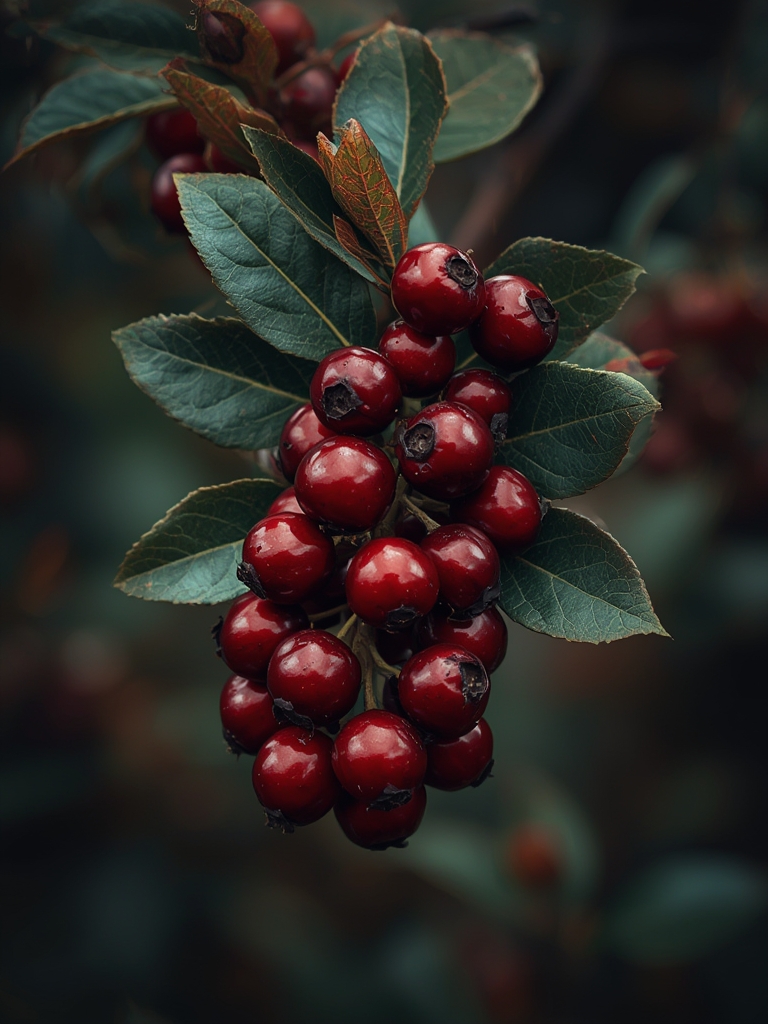

Have you ever considered growing your own cranberries at home? These ruby-red gems aren’t just for Thanksgiving dinner—they can be a rewarding addition to your garden landscape. Growing cranberry plants in small garden beds allows you to enjoy fresh, organic berries while adding visual interest to your outdoor space. Despite their commercial association with bogs and wetlands, cranberries can thrive in home gardens with the right conditions. Let’s explore how you can successfully cultivate these tart treasures in limited space and enjoy the satisfaction of harvesting your own cranberry crop.
Table of Contents
Materials & Supplies
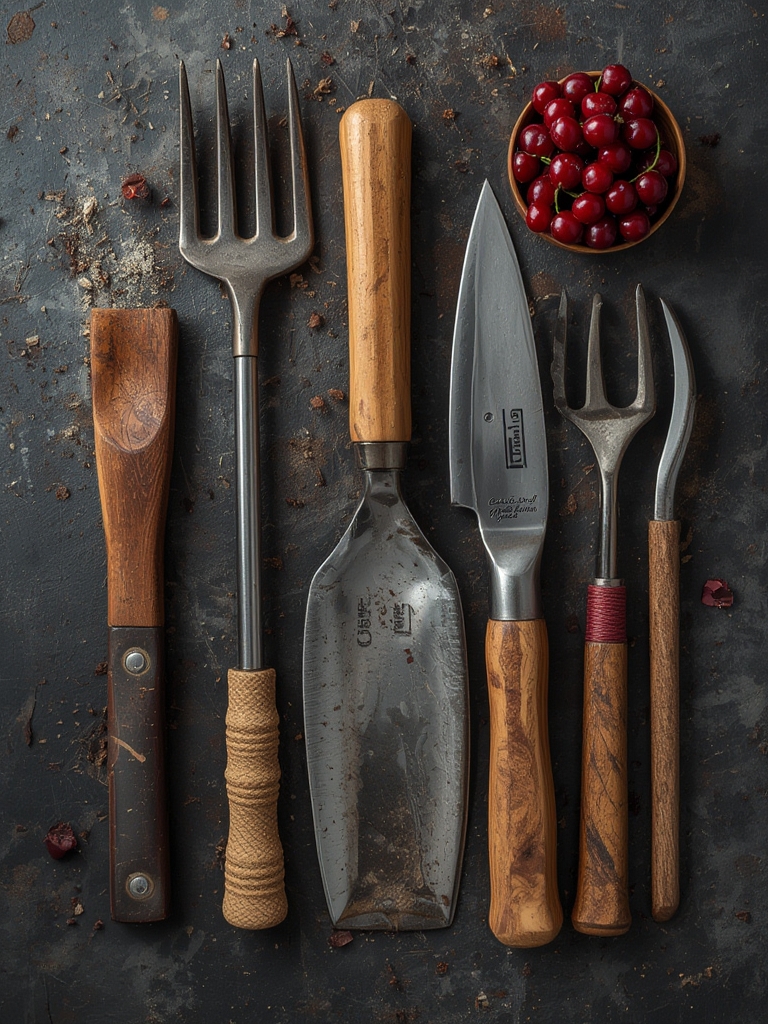
To begin your cranberry growing journey, gather these essential items:
- Cranberry plants or rooted cuttings: Purchase from a reputable nursery; varieties like ‘Stevens’ or ‘Pilgrim’ work well in small gardens
- Acidic soil mix: Blend equal parts peat moss, sand, and garden soil (pH 4.0-5.5)
- Garden bed frame: Cedar or other rot-resistant wood for raised bed construction
- Weed barrier fabric: To line the bottom of the bed
- Mulch: Pine needles or acid-loving plant mulch
- Watering equipment: Soaker hose or drip irrigation system
- Soil pH testing kit: Essential for monitoring acidity levels
- Pruning shears: For maintenance trimming
- Organic fertilizer: Specifically formulated for acid-loving plants (optional)
- Bird netting: To protect ripening berries (optional)
Timing / Growing Schedule
Cranberries have a distinct growing schedule that requires patience:
- Planting time: Early spring (April-May), after the last frost
- Establishment period: 1-2 years before significant fruiting begins
- Growth cycle: Plants spread slowly, filling in over 3-5 years
- Flowering: Late spring to early summer
- Harvest season: Mid-autumn (September-November)
- Total time investment: 3+ years to reach full production, significantly faster than commercial operations which may take 5-7 years
Step-by-Step Instructions
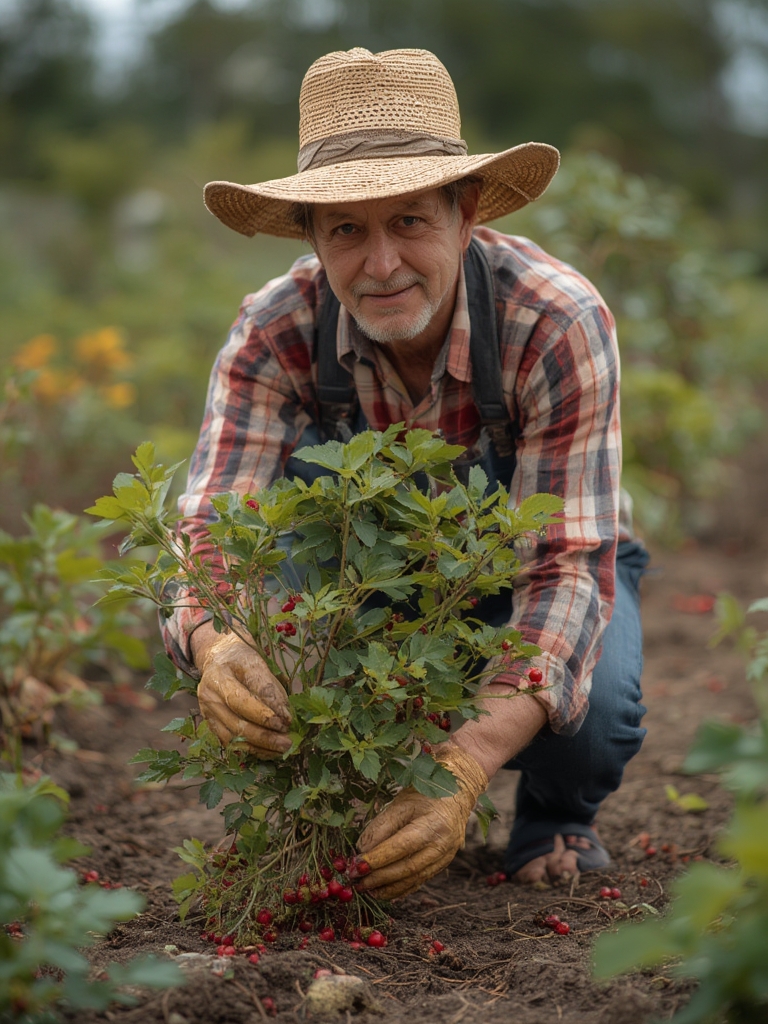
Prepare your garden bed: Create a raised bed 8-12 inches deep with good drainage. Line with weed barrier, leaving drainage holes.
Mix your soil: Combine peat moss, sand, and garden soil to create an acidic growing medium. Aim for pH between 4.0-5.5 (test before planting).
Plant cranberry cuttings: Space plants 12-18 inches apart in rows, placing them at the same depth they were in nursery containers. Gently firm soil around roots.
Water thoroughly: Keep soil consistently moist but not waterlogged during establishment. Consider a layer of sand on top to help retain moisture.
Apply mulch: Add 2-3 inches of pine needle mulch to maintain soil acidity and conserve moisture.
Maintain consistent moisture: Unlike commercial bogs, home garden cranberries don’t need flooding, but they do require regular watering.
Fertilize sparingly: Apply acid-loving plant fertilizer in spring, following package directions for small fruits.
Prune as needed: Trim overgrown vines in early spring before new growth appears.
Nutritional Benefits
Cranberries offer impressive health advantages:
- Exceptional source of antioxidants and vitamin C
- Natural urinary tract health support
- Low in calories (about 50 calories per cup)
- Rich in fiber and manganese
- Contains compounds that may help prevent certain bacterial infections
- Home-grown berries can be harvested at peak ripeness for maximum nutritional value
Tips and Alternative Methods
- Container growing: Use half-barrels or large pots at least 18 inches deep
- Indoor cultivation: Place on a bright windowsill with 6+ hours of sunlight
- Winter protection: Apply extra mulch in colder regions (zones 3-6)
- Companion planting: Pair with blueberries or rhododendrons, which share soil preferences
- Vertical growing: Train vines on trellises to save space in extremely small gardens
Common Mistakes to Avoid
- Using alkaline soil: Cranberries will yellow and fail in non-acidic conditions
- Overwatering: Soggy soil leads to root rot; aim for consistently moist but not waterlogged
- Insufficient sunlight: Plants need 6+ hours of direct sun for good production
- Neglecting mulch: Missing this step leads to weeds, dried soil, and pH imbalance
- Expecting immediate results: Patience is essential as plants establish
Storage / Maintenance Tips
- Watering routine: Consistent moisture during growing season, reducing slightly in winter
- Seasonal pruning: Remove dead wood and trim for shape in early spring
- Harvesting: Pick berries when fully red but still firm
- Storage: Fresh berries last 3-4 weeks refrigerated in ventilated containers
- Freezing: Wash, dry thoroughly, and freeze on trays before transferring to containers
- Winter care: Add extra mulch protection in colder regions
Conclusion
Growing cranberries in small garden beds connects you with a uniquely North American fruit while providing beautiful ground cover and nutritious harvests. Though they require specific conditions and patience, the reward of harvesting your own berries makes the effort worthwhile. Start with quality plants, create the right soil environment, and maintain consistent care—you’ll be enjoying homegrown cranberries for years to come. Have you tried growing cranberries? Share your experience in the comments below!
FAQs
Do cranberries need to grow in water?
Commercial cranberries are flood-harvested, but home garden plants only need consistently moist, acidic soil, not standing water.
How long before my cranberry plants produce fruit?
Expect minimal berries in years 1-2, with increasing yields in years 3-5 as plants establish.
Can cranberries grow in containers?
Yes, use large containers (at least 18 inches deep) with proper acidic soil mix and consistent watering.
Are cranberries difficult to grow organically?
Cranberries actually thrive with organic methods, requiring minimal intervention once established in the right conditions.
How much space do I need for growing cranberries?
A 4’x4′ raised bed can accommodate 9-12 plants, potentially yielding several pounds of berries when mature.