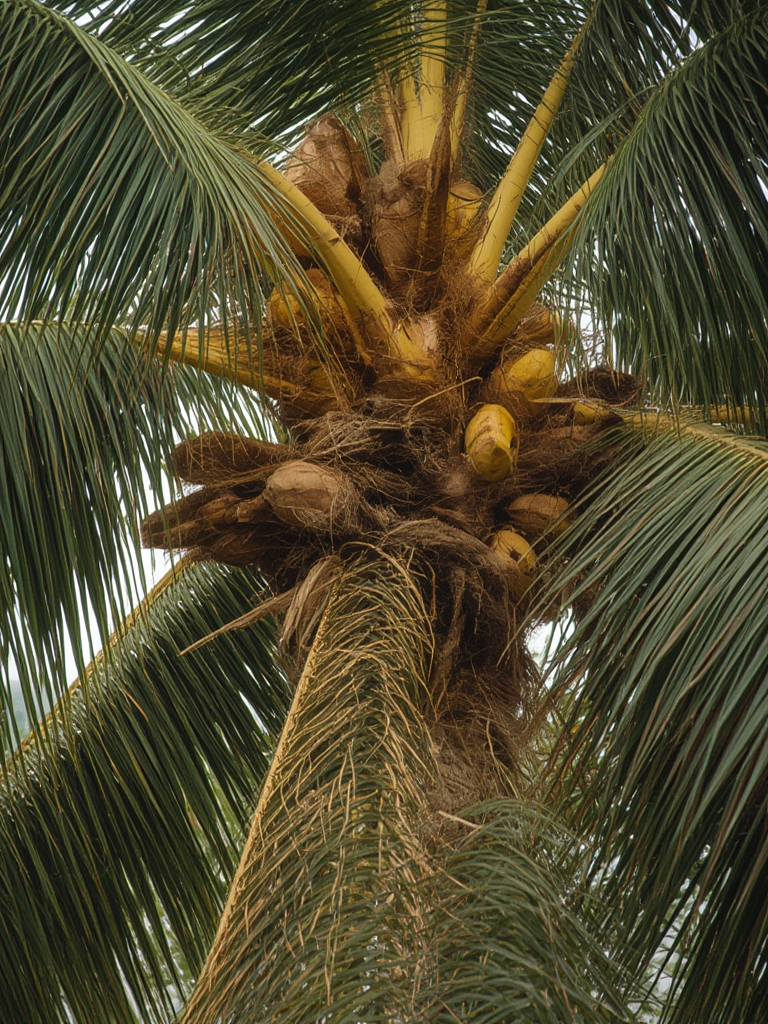

Have you ever dreamed of having a tropical paradise in your own backyard? Growing coconut palms can transform your garden into an exotic oasis while providing delicious, nutrient-rich fruits. Coconut palms (Cocos nucifera) are iconic tropical plants that thrive in warm climates and can be successfully grown at home with proper care and patience. Whether you’re looking to harvest your own coconuts or simply want to add a tropical aesthetic to your landscape, growing these majestic palms can be a rewarding endeavor for any gardening enthusiast.
Table of Contents
Materials & Supplies
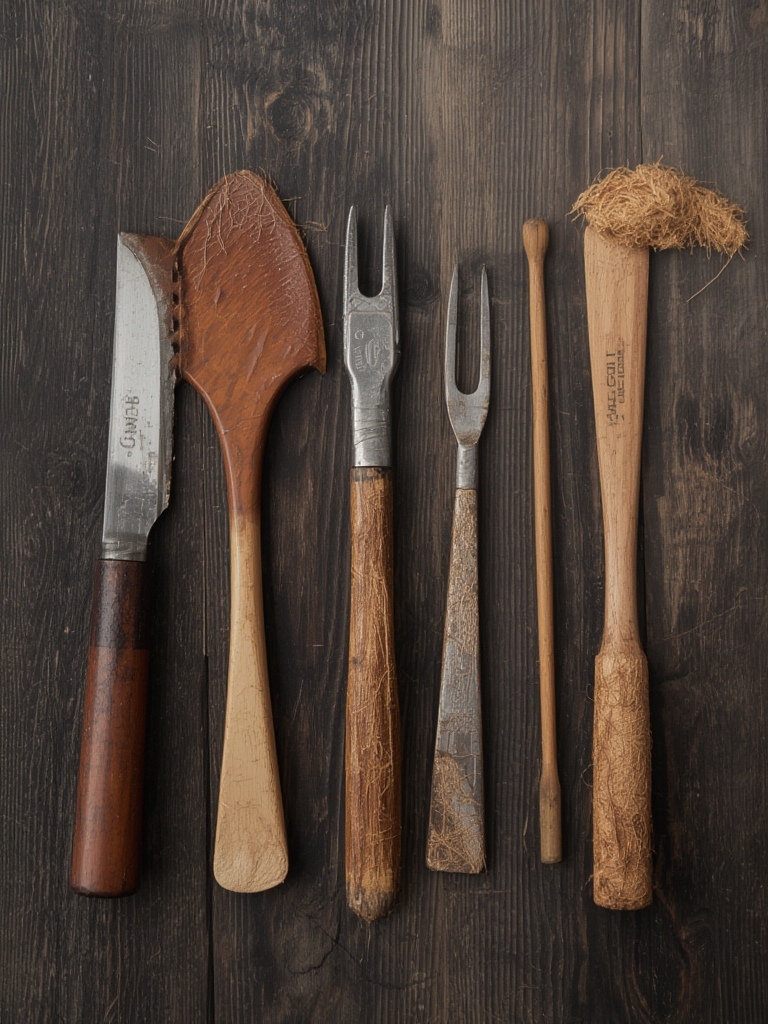
To successfully grow coconut palms, you’ll need:
- Fresh coconut: Choose a mature coconut with water inside (you can hear it sloshing when shaken)
- Potting soil: Well-draining mix with sand, perlite, and organic compost
- Container: A 12-15 inch pot with drainage holes (for starting)
- Larger container or garden space: For transplanting as the palm grows
- Watering can: For consistent watering
- Organic fertilizer: Palm-specific or balanced NPK formula (10-10-10)
- Pruning shears: For removing damaged fronds
- Thermometer: To monitor temperature (coconuts need warmth)
- Mulch: Coconut coir or wood chips to retain moisture
- Spray bottle: For increasing humidity around young plants
Timing / Growing Schedule
Growing coconut palms requires patience. Germination takes 3-6 months, while the initial growth phase spans 1-2 years before the palm begins to establish itself. Expect 6-10 years for a palm to mature enough to produce coconuts. This timeline is considerably longer than most garden plants but comparable to other fruit trees. In optimal conditions, coconut palms can live for 80-100 years, making them a long-term investment for your landscape.
Step-by-Step Instructions
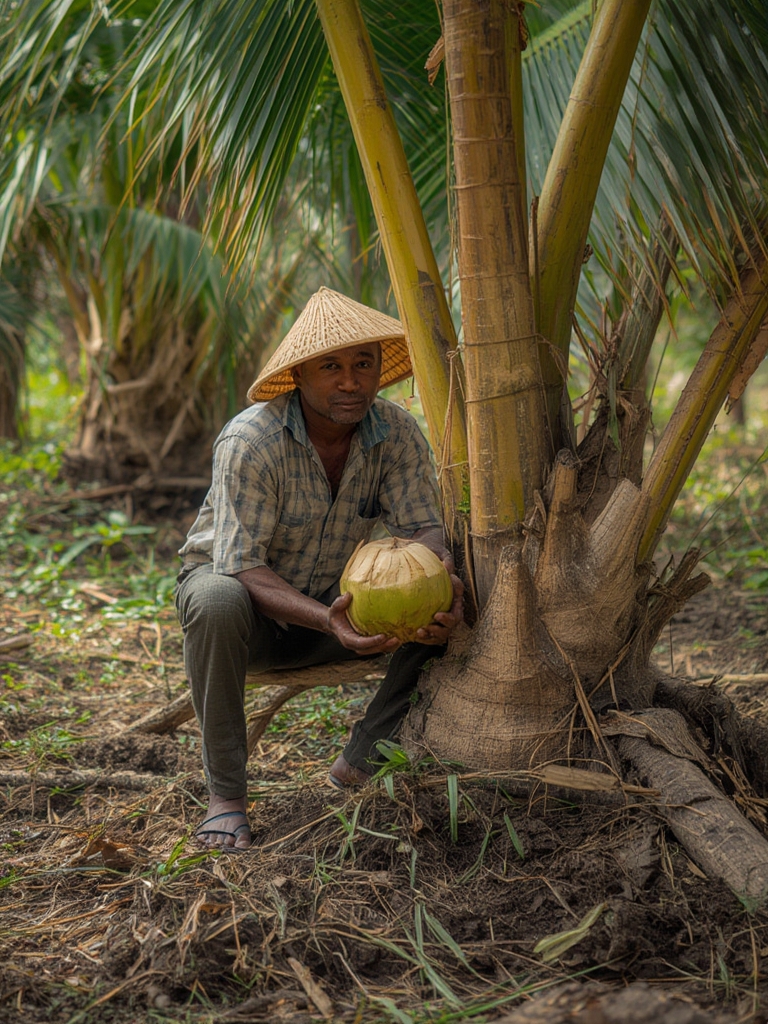
Select and prepare your coconut: Choose a fresh, mature coconut with liquid inside. Soak it in water for 2-3 days to soften the husk and promote germination.
Position the coconut: Fill a container with well-draining soil mix. Place the coconut horizontally with one-third of it above the soil. The area with the three “eyes” should be positioned sideways, not buried.
Create ideal conditions: Place the container in a warm location (75-85°F/24-29°C) with bright, indirect sunlight. Cover the container with clear plastic to create a greenhouse effect.
Water regularly: Keep the soil consistently moist but not waterlogged. Mist the coconut daily to maintain humidity.
Wait for germination: Look for a sprout emerging from one of the eyes after 3-6 months. Once sprouted, remove the plastic covering.
Provide proper care: Once established, water deeply but less frequently. Apply palm fertilizer every 2-3 months during the growing season.
Transplant carefully: When the palm reaches 12-18 inches tall with several fronds, transplant to a larger container or permanent garden location.
Nutritional Benefits
Homegrown coconuts provide numerous health benefits. They’re rich in medium-chain fatty acids, which are easily metabolized by the body. Coconut water is a natural electrolyte source containing potassium, magnesium, and sodium. The meat offers dietary fiber, while coconut oil has antimicrobial properties. Beyond nutrition, growing coconuts reduces your carbon footprint and ensures pesticide-free produce.
Tips and Alternative Methods
Consider container growing for cooler climates, allowing you to move palms indoors during winter. In marginal climate zones, plant coconut palms near south-facing walls to provide warmth and wind protection. For limited spaces, dwarf varieties like ‘Malayan Dwarf’ reach only 30-60 feet compared to standard varieties. Apply mulch around the base to conserve moisture and moderate soil temperature. In drier climates, install a drip irrigation system for consistent moisture.
Common Mistakes to Avoid
- Overwatering young palms: This leads to root rot. Allow the top inch of soil to dry between waterings.
- Insufficient sunlight: Coconut palms need at least 6 hours of direct sunlight daily. Pale, leggy growth indicates insufficient light.
- Cold exposure: Temperatures below 40°F (4°C) can damage or kill palms. Protect during unexpected cold snaps.
- Improper planting depth: Burying the coconut completely prevents proper germination.
- Using heavy clay soil: This restricts root development. Always use well-draining soil mixtures.
Storage / Maintenance Tips
Water established palms deeply once weekly, allowing soil to dry slightly between waterings. Apply palm-specific fertilizer quarterly during growing season. Remove yellow or brown fronds at the base using clean pruning shears. Maintain a 2-3 inch layer of mulch around the base, keeping it away from the trunk. Protect from cold temperatures with frost cloth when necessary. Inspect regularly for pests like spider mites or scale insects, treating with neem oil if detected.
Conclusion
Growing coconut palms in warm climates combines the joy of gardening with the satisfaction of harvesting your own tropical fruits. While it requires patience and specific conditions, the reward of watching these majestic palms develop and eventually produce coconuts is unmatched. Whether you’re growing them for fruit production, ornamental purposes, or simply to create your own backyard paradise, coconut palms are a worthwhile addition to any suitable landscape. Why not start your tropical gardening journey today?
FAQs
How much space does a coconut palm need?
Mature coconut palms need at least 15-20 feet of space to accommodate their canopy and root system. Dwarf varieties require less space (10-15 feet) and are better suited for smaller gardens.
Can coconut palms grow indoors?
While young palms can grow indoors temporarily, they ultimately require too much light and space for permanent indoor cultivation. They can be started indoors but should be transitioned outside once established.
How often should I water my coconut palm?
Young palms need consistent moisture with soil that’s damp but not soggy. Established palms are moderately drought-tolerant but perform best with deep watering once weekly during growing season.
Why isn’t my coconut germinating?
Slow germination is normal (3-6 months). Ensure your coconut has water inside, is partially buried with the eyes exposed, and kept in warm (75-85°F), humid conditions. Patience is key.