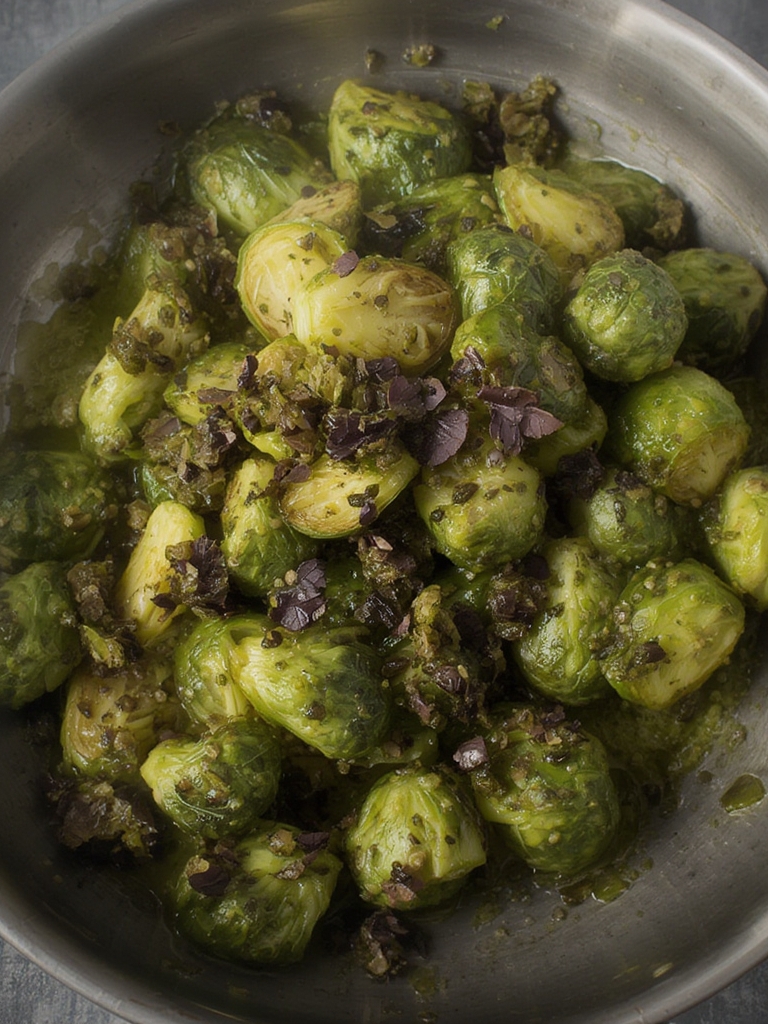

Have you ever walked through a winter farmer’s market, admiring those stalks of perfectly formed Brussels sprouts, and wondered if you could grow them yourself? These miniature cabbage-like vegetables aren’t just nutritional powerhouses—they’re also rewarding to grow in your own garden. Despite their reputation for being somewhat challenging, Brussels sprouts can thrive with the right approach. Many gardeners give up too quickly after encountering common pitfalls, but with proper planning and care, you can cultivate these delicious vegetables right in your backyard. Let’s explore how to grow Brussels sprouts successfully while avoiding the mistakes that often discourage home gardeners.
Table of Contents
Materials & Supplies
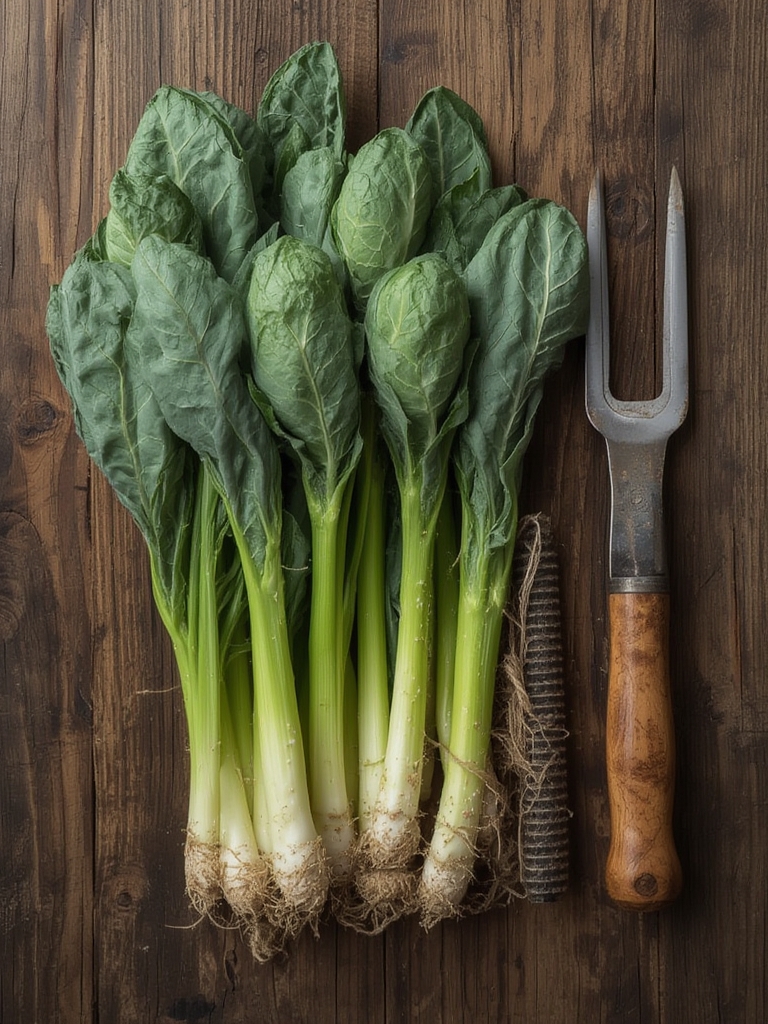
To start your Brussels sprouts journey, you’ll need:
- Brussels sprout seeds or seedlings: Choose varieties suited to your climate, such as ‘Diablo’, ‘Churchill’, or ‘Gustus’.
- Well-draining soil: A pH between 6.0-6.8 is ideal; consider having your soil tested.
- Organic compost: At least 2-3 inches to work into your soil before planting.
- Nitrogen-rich fertilizer: Brussels sprouts are heavy feeders.
- Garden space: Each plant needs about 18-24 inches of space in all directions.
- Garden tools: Trowel, garden fork, watering can or hose with gentle spray setting.
- Mulch material: Straw or leaf mulch works well.
- Row covers or insect netting: To protect against common pests like cabbage worms.
- Plant supports: Stakes or cages for taller varieties (optional but helpful).
Timing / Growing Schedule
Brussels sprouts require a long growing season (80-100 days) and prefer cool weather for maturing. For a fall/winter harvest:
- Start seeds indoors: 12-14 weeks before your first fall frost date (typically early-mid summer)
- Transplant seedlings: When they’re 4-6 inches tall, usually 4-6 weeks after starting
- Growing period: Plants develop throughout late summer and fall
- Harvest time: After exposure to light frost, which improves flavor (typically late fall through winter)
Brussels sprouts take nearly twice as long to mature as broccoli, so proper timing is crucial for success.
Step-by-Step Instructions
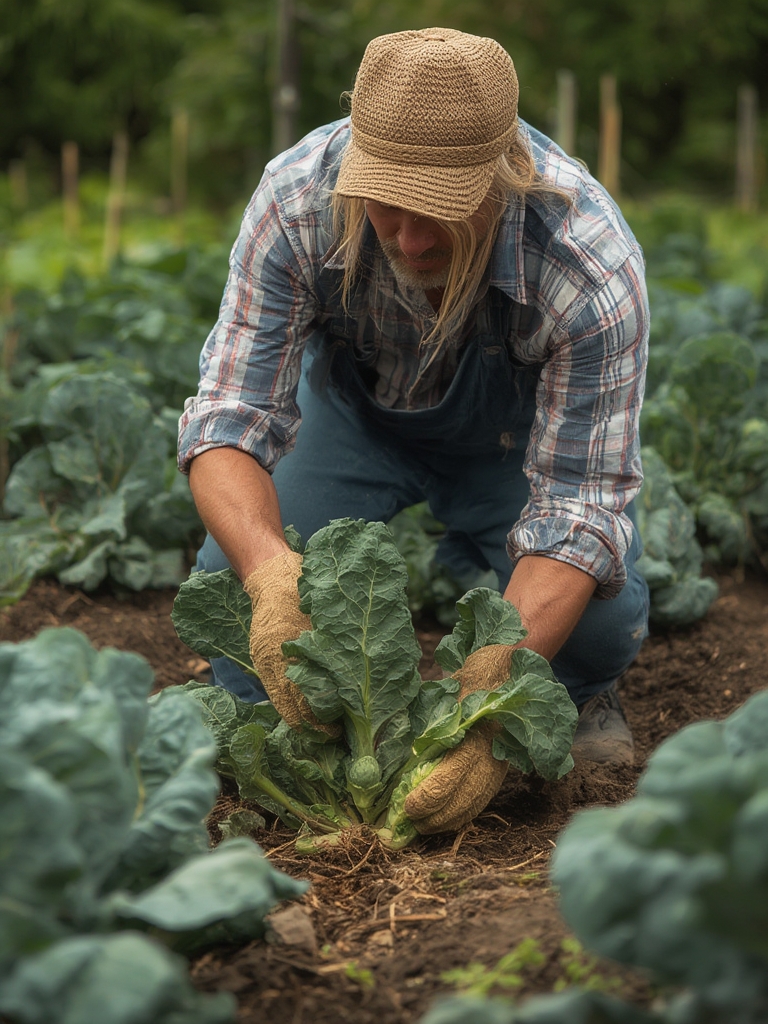
Prepare your soil: Work 2-3 inches of compost into your garden bed. Brussels sprouts need fertile, well-draining soil. Tip: Add a handful of bonemeal to each planting hole to support strong root development.
Start seeds: Plant seeds ½ inch deep in seed trays or pots. Keep soil consistently moist but not waterlogged. Maintain temperatures around 70°F for germination.
Harden off seedlings: One week before transplanting, gradually expose seedlings to outdoor conditions, increasing exposure daily.
Transplant carefully: Space plants 18-24 inches apart in rows 30 inches apart. Plant slightly deeper than they were in containers.
Apply mulch: Add 2-3 inches of mulch around plants to retain moisture and suppress weeds.
Water regularly: Provide 1-1.5 inches of water weekly, more during hot periods. Water at soil level to prevent leaf diseases.
Fertilize monthly: Apply nitrogen-rich fertilizer according to package instructions, reducing as sprouts begin to form.
Remove lower leaves: As plants grow taller, gradually remove lower leaves to encourage sprout development.
Nutritional Benefits
Brussels sprouts are exceptionally nutritious, offering:
- High levels of vitamin K, C, and folate
- Impressive fiber content (4g per cup)
- Cancer-fighting compounds called glucosinolates
- Anti-inflammatory properties
- Low calorie count (only 38 calories per cup)
Homegrown sprouts typically contain higher nutrient levels than store-bought ones, especially when harvested fresh after frost exposure.
Tips and Alternative Methods
- Container growing: Select compact varieties like ‘Jade Cross’ for containers at least 12 inches deep.
- Companion planting: Grow with herbs like thyme and rosemary to repel cabbage moths.
- Succession planting: Stagger plantings 2-3 weeks apart for extended harvests.
- Climate adaptations: In hot climates, grow as a winter crop; in very cold regions, provide protection for extended harvests.
- Support tall plants: Stake plants once they reach 2 feet tall to prevent wind damage.
Common Mistakes to Avoid
Improper timing: Planting too late gives insufficient growing time. Solution: Count backward from your first expected frost to determine planting date.
Overcrowding: Plants need adequate spacing for air circulation. Solution: Thin ruthlessly to prevent disease and promote larger sprouts.
Inconsistent watering: Leads to bitter taste and poor sprout development. Solution: Install drip irrigation or maintain a consistent watering schedule.
Ignoring pests early: Small problems become infestations quickly. Solution: Inspect plants weekly and use row covers preventatively.
Harvesting too early: Immature sprouts lack sweetness. Solution: Wait until after first frost for best flavor.
Storage / Maintenance Tips
- Watering: Maintain even moisture throughout the growing season, especially during sprout formation.
- Pruning: Remove yellowing leaves promptly to prevent disease spread.
- Pest management: Check undersides of leaves regularly for aphids and cabbage worms.
- Harvesting: Twist sprouts off from bottom to top as they mature, or harvest the entire stalk after frost.
- Storage: Keep unwashed sprouts in perforated bags in the refrigerator for up to 2 weeks.
Conclusion
Growing Brussels sprouts successfully requires patience, proper timing, and attentive care, but the reward of fresh, homegrown sprouts is well worth the effort. Their superior flavor after exposure to frost makes them a perfect addition to your fall and winter garden. By avoiding the common mistakes outlined above and following our step-by-step guide, you’ll be enjoying these nutritional powerhouses straight from your garden. Ready to start growing? Leave a comment below sharing your Brussels sprouts growing experiences or questions!
FAQs
How tall do Brussels sprout plants get?
Brussels sprout plants typically reach 2-3 feet tall, with some varieties growing up to 4 feet. Provide support for taller varieties to prevent toppling in windy conditions.
Can I grow Brussels sprouts in partial shade?
While they prefer full sun, Brussels sprouts can tolerate partial shade (4-6 hours of direct sunlight). However, plants grown in partial shade may develop slower and produce smaller yields.
Why are my Brussels sprouts not forming tight heads?
Loose sprouts usually result from inconsistent watering, high temperatures during development, or insufficient fertilizer. Maintain even moisture and ensure plants have adequate nutrition.
When is the best time to harvest Brussels sprouts?
Harvest Brussels sprouts after exposure to light frost, which converts starches to sugars and improves flavor. They’re typically ready when the sprouts are firm, green, and 1-2 inches in diameter.
How can I prevent my Brussels sprouts from becoming bitter?
Bitterness often results from heat stress or delayed harvest. Plant at the right time for fall/winter harvest and ensure consistent moisture throughout the growing season.