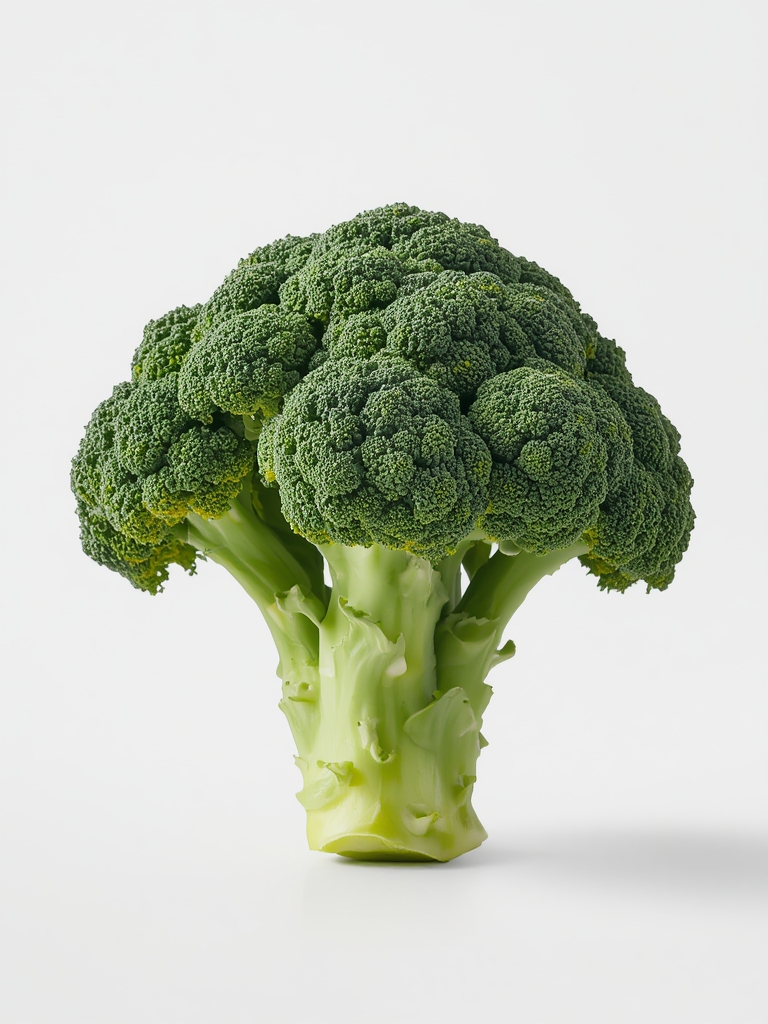

Have you ever bitten into a freshly harvested broccoli floret, bursting with flavor that store-bought versions simply can’t match? Growing your own broccoli at home not only provides superior taste but also ensures you’re getting the maximum nutritional benefits from this superfood. Whether you have acres of land or just a few containers on your balcony, broccoli can thrive in your home garden with the right care. This cool-weather crop is surprisingly versatile and, with proper attention, will reward you with abundant harvests of nutrient-packed heads.
Table of Contents
Materials & Supplies
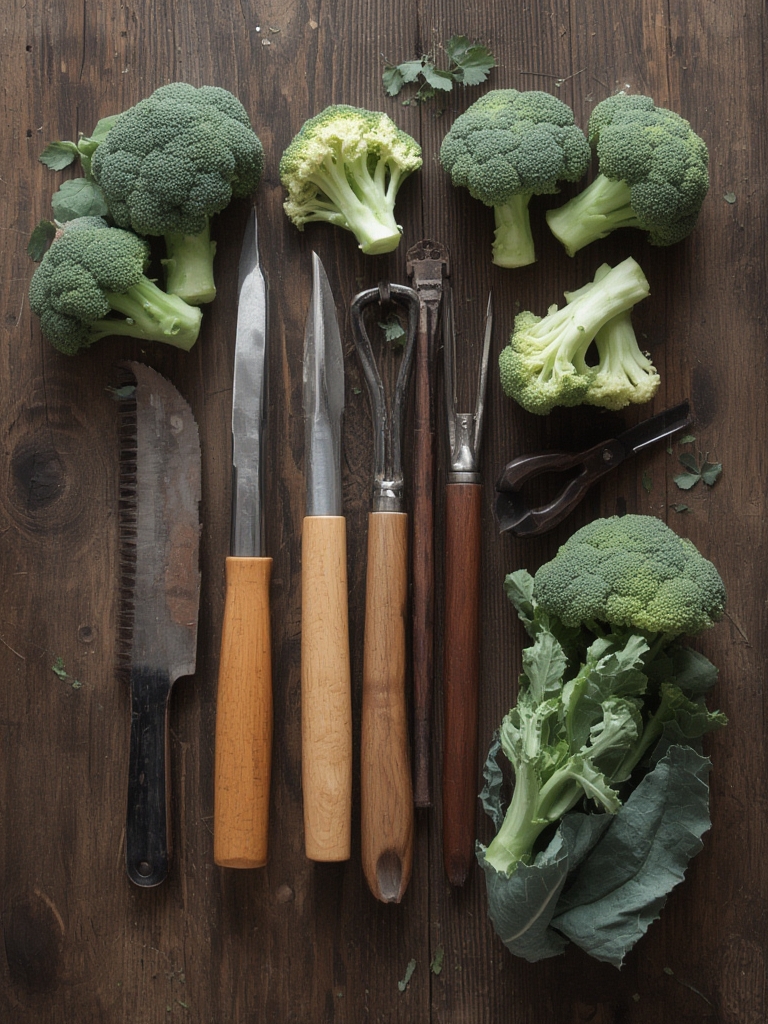
To start your broccoli growing journey, gather these essential items:
- Broccoli seeds or seedlings: Choose varieties suited to your climate (Calabrese, Destiny, or Belstar are popular options)
- Organic potting soil or garden soil: Should be well-draining and rich in organic matter
- Compost or well-rotted manure: For soil amendment
- Containers: At least 12 inches deep if container gardening
- Garden spade and trowel: For preparing soil and transplanting
- Watering can or irrigation system: For consistent moisture
- Organic fertilizer: Fish emulsion or balanced vegetable fertilizer (5-10-10)
- Row covers or insect netting: Optional but helpful for pest protection
- pH testing kit: Broccoli prefers slightly acidic soil (pH 6.0-7.0)
- Mulch material: Straw, shredded leaves, or wood chips
Timing / Growing Schedule
Broccoli is a cool-season crop that performs best when maturing in cool temperatures. For spring crops, start seeds indoors 6-8 weeks before your last frost date, then transplant outdoors 2-3 weeks before the last frost. For fall harvests, sow seeds directly outdoors 85-100 days before your first fall frost date. From transplanting to harvest typically takes 55-85 days, depending on the variety. Compared to its brassica relatives, broccoli grows faster than cauliflower but slower than most leafy greens.
Step-by-Step Instructions
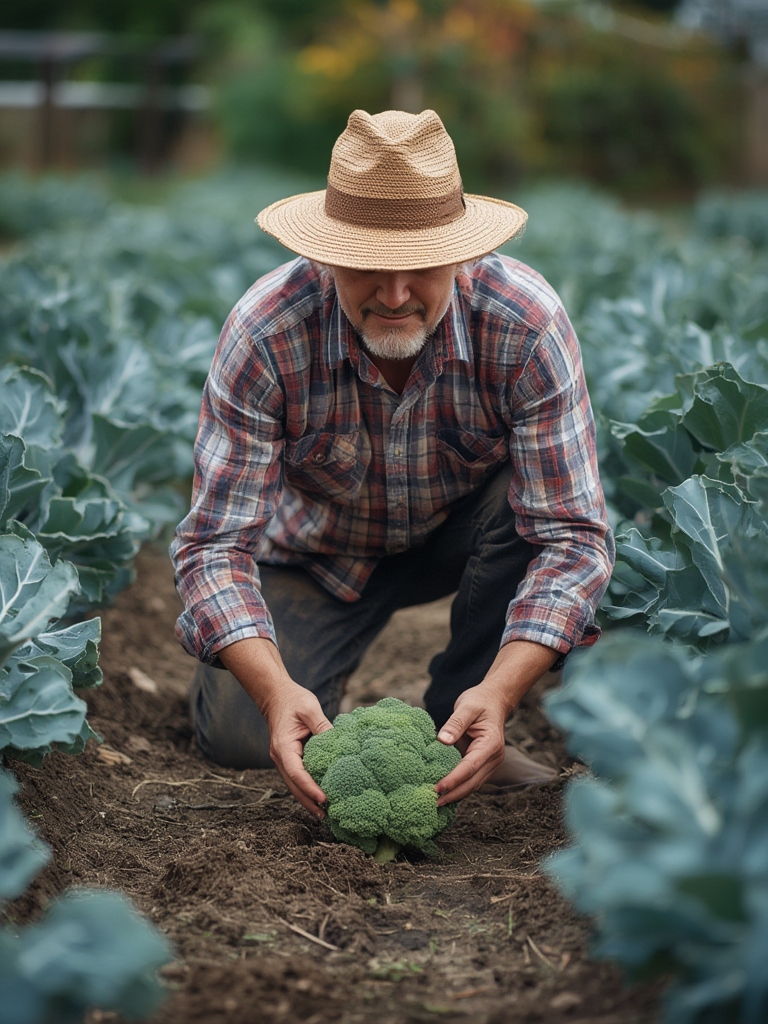
Prepare the soil: Work compost into your garden bed to a depth of 8-10 inches. Aim for soil that’s fertile but not nitrogen-heavy, which produces leafy plants with small heads.
Start seeds indoors: Plant seeds ¼ inch deep in seed-starting mix. Keep soil consistently moist at 70°F until germination (4-7 days), then provide 14-16 hours of light daily.
Harden off seedlings: Gradually expose indoor-started seedlings to outdoor conditions over 7-10 days. Begin with 1-2 hours of filtered sunlight, increasing exposure daily.
Transplant carefully: Space plants 18-24 inches apart in rows 36 inches apart. Plant slightly deeper than they were growing previously, and water thoroughly.
Provide consistent moisture: Broccoli requires 1-1.5 inches of water weekly. Use drip irrigation to keep foliage dry and prevent disease.
Apply mulch: Add 2-3 inches of organic mulch around plants to retain moisture, suppress weeds, and regulate soil temperature.
Feed appropriately: Side-dress with balanced fertilizer when plants are 6 inches tall and again when heads begin forming.
Harvest at peak quality: Cut the main head when the buds are tight and compact, before any yellow flowers appear. Make a slanted cut 5-6 inches below the head. Many varieties will produce side shoots for weeks afterward.
Nutritional Benefits
Homegrown broccoli offers exceptional nutritional value, containing more vitamin C than oranges, plus significant amounts of vitamin K, vitamin A, folate, and fiber. Research shows fresh-harvested broccoli contains up to 50% more glucosinolates—cancer-fighting compounds—than store-bought varieties that have been shipped and stored. Growing your own broccoli organically also eliminates exposure to potential pesticide residues.
Tips, Alternative Methods, or Gardening Advice
For container growing, select compact varieties like ‘Green Magic’ and use at least 5-gallon containers per plant. In hot climates, provide afternoon shade or use shade cloth to extend the growing season. Interplant with aromatic herbs like dill or rosemary to naturally repel some pests. For successive harvests, plant a new set of seedlings every 2-3 weeks during appropriate seasons.
Common Mistakes to Avoid
- Poor timing: Planting too late in spring leads to heat stress and premature flowering. Solution: Follow regional planting calendars.
- Inconsistent watering: Causes woody stems and bitter flavor. Solution: Maintain even soil moisture with regular watering and mulch.
- Overcrowding: Reduces air circulation and increases disease risk. Solution: Follow proper spacing guidelines.
- Delayed harvesting: Results in tough, flowering heads. Solution: Harvest when heads are firm and buds are tightly closed.
- Ignoring pests: Cabbage worms can decimate plants. Solution: Monitor regularly and use row covers or organic controls.
Storage / Maintenance Tips
Refrigerate harvested broccoli unwashed in a perforated plastic bag for up to two weeks. For longer storage, blanch and freeze florets. Throughout the growing season, remove yellowing leaves promptly. Watch for cabbage worms and aphids—treat with neem oil or insecticidal soap if necessary. Continue light fertilization to encourage side-shoot production after main head harvest.
Conclusion
Growing broccoli at home connects you with the full potential of this nutritional powerhouse. With proper timing, consistent care, and attention to detail, you’ll enjoy multiple harvests of tender, flavorful broccoli that surpasses anything available commercially. Start with one variety, learn its rhythms, and soon you’ll be expanding your broccoli patch and experimenting with different cultivation methods. What will you grow alongside your broccoli this season?
FAQs
Why are my broccoli heads small or loose?
Temperature fluctuations, especially heat, can cause loose, irregular heads. Maintain consistent soil moisture and plant for harvest during cool weather periods.
Can I grow broccoli year-round?
In mild climates (zones 8-10), you can grow broccoli through winter. In colder regions, use season extension techniques like cold frames or grow fall and spring crops.
How do I prevent broccoli from becoming bitter?
Harvest before yellow flowers appear, maintain consistent watering, and grow during cool weather. Bitter flavor develops in heat-stressed plants.
Is it worth growing sprouting broccoli varieties?
Absolutely! Sprouting varieties produce smaller heads but continue yielding side shoots for months, maximizing harvest from the same garden space.
Can I save seeds from my broccoli plants?
Yes, but broccoli cross-pollinates easily with other brassicas. For true-to-type seeds, grow only one variety and allow several plants to flower and set seed.