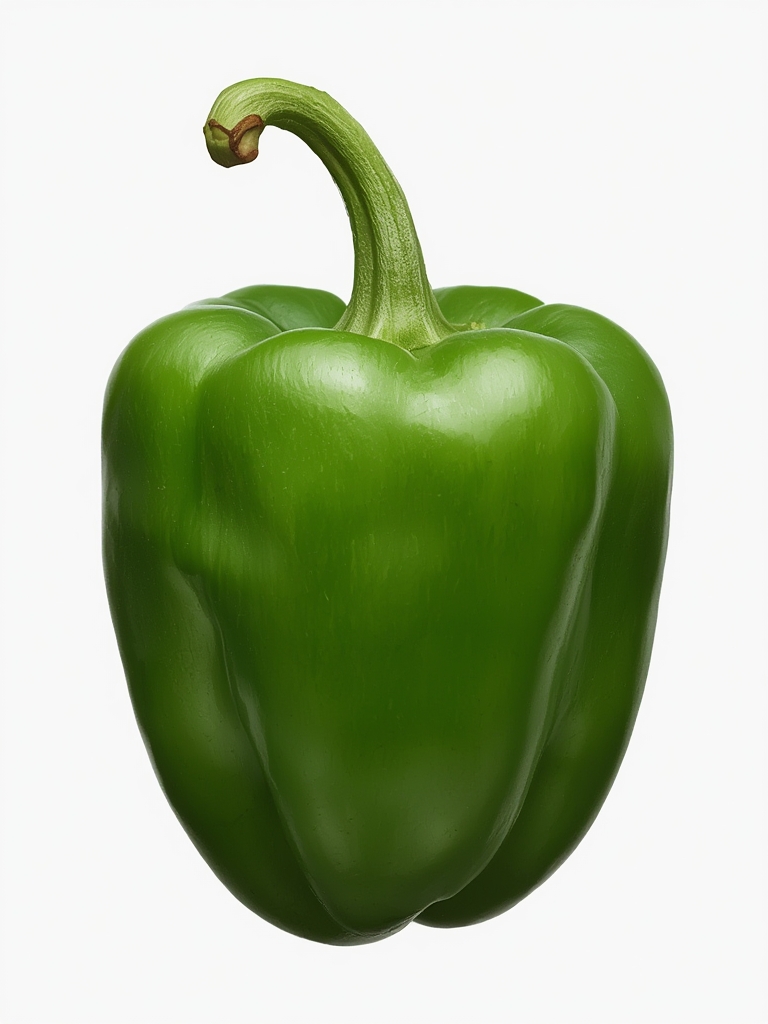

Are you dreaming of harvesting crisp, colorful bell peppers from your own garden? Growing bell peppers (Capsicum annuum) at home offers not just the satisfaction of nurturing a plant from seed to fruit, but also provides you with fresh, pesticide-free vegetables packed with nutrients. Whether you have a spacious garden or just a sunny balcony, bell peppers can thrive in various settings with proper care. The versatile bell pepper adds vibrant color and sweet crunch to countless dishes, making it one of the most rewarding vegetables to grow at home.
Table of Contents
Materials & Supplies
To successfully grow bell peppers, gather these essential supplies:
- Bell pepper seeds or seedlings: Choose varieties suited to your climate; popular options include California Wonder, Sweet Banana, and Purple Beauty
- Containers: 5-gallon pots with drainage holes (if container gardening)
- Potting mix: Well-draining, nutrient-rich soil with compost mixed in
- Garden soil: If planting in-ground, amend with organic matter
- Support stakes or cages: Bell peppers benefit from support as they grow
- Fertilizer: Balanced organic fertilizer or slow-release granular fertilizer (10-10-10)
- Watering can or irrigation system: For consistent watering
- Mulch: Organic mulch like straw or bark chips
- pH meter (optional): To monitor soil conditions
- Garden gloves and basic tools: Trowel, pruners, and watering can
Timing / Growing Schedule
Bell peppers are warm-season crops that require patience:
- Seed starting indoors: 8-10 weeks before the last spring frost
- Transplanting outdoors: 2-3 weeks after the last frost when soil temperatures reach at least 65°F (18°C)
- Growth period: 60-90 days from transplant to first harvest
- Harvest season: Mid-summer through fall, depending on your climate
Bell peppers grow slower than many garden vegetables, taking nearly twice as long as radishes or lettuce, but their extended harvest period makes them worth the wait.
Step-by-Step Instructions
Start seeds indoors: Plant seeds ¼ inch deep in seed-starting mix. Keep soil consistently moist at 70-80°F (21-27°C). Seeds typically germinate in 7-14 days.
Transplant seedlings: Once seedlings develop 2-3 sets of true leaves and outdoor temperatures are consistently above 60°F (15°C) at night, harden them off by gradually exposing them to outdoor conditions over 7-10 days.
Plant in garden: Space plants 18-24 inches apart in rows 24-36 inches apart. In containers, use one plant per 5-gallon pot.
Support growth: Install stakes or cages at planting time to avoid disturbing roots later.
Water properly: Provide 1-2 inches of water weekly. Maintain consistent moisture, especially during flowering and fruiting.
Apply fertilizer: Once plants begin flowering, feed with a balanced fertilizer every 3-4 weeks.
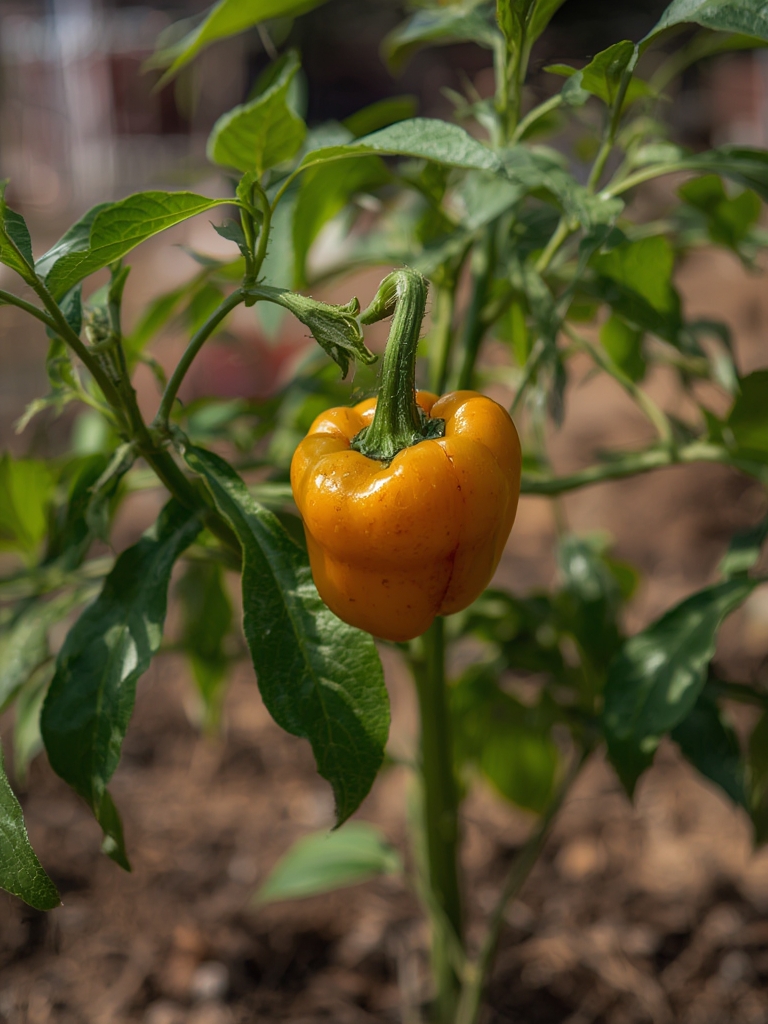
Harvest: Pick peppers when they reach full size and desired color. Use garden shears to cut peppers, leaving a short stem attached.
Nutritional Benefits
Bell peppers are nutritional powerhouses:
- Extremely high in vitamin C (one red pepper contains more than 100% of your daily requirement)
- Excellent source of vitamins A, B6, E, and K
- Rich in antioxidants, especially carotenoids
- Low in calories (about 30-40 calories per medium pepper)
- Good source of fiber and folate
Tips and Alternative Methods
- Container growing: Perfect for patios or balconies; use 5-gallon containers with drainage holes
- Companion planting: Grow alongside basil, onions, or carrots for pest management and improved flavor
- Succession planting: Start new plants every 2-3 weeks for continuous harvests
- Heat management: In very hot climates, provide afternoon shade to prevent sunscald
- Indoor growing: With a sunny window or grow lights, bell peppers can be grown indoors year-round
Common Mistakes to Avoid
- Planting too early: Cold soil stunts pepper growth; patience yields better results
- Inconsistent watering: Causes blossom end rot; use mulch and regular watering schedules
- Overcrowding plants: Reduces air circulation; follow spacing recommendations
- Overfertilizing: Creates lush foliage but few fruits; follow package directions carefully
- Harvesting too soon: Allow peppers to mature for best flavor and nutrition
Storage / Maintenance Tips
- Store harvested peppers in the refrigerator crisper drawer for up to 2 weeks
- For long-term storage, freeze chopped peppers or dry them
- Continue feeding plants throughout the growing season
- Prune yellowing leaves to improve air circulation
- In mild climates, peppers can be overwintered indoors as perennials
Conclusion
Growing bell peppers at home delivers a colorful, nutritious harvest that enhances countless recipes. With proper planning, consistent care, and a bit of patience, you can enjoy an abundant pepper harvest that far surpasses grocery store quality. Start with quality seeds or seedlings, provide the right growing conditions, and you’ll be rewarded with crisp, sweet peppers all season long. Why not start planning your pepper patch today? Share your bell pepper growing success stories in the comments!
FAQs
How long do bell pepper plants produce fruit?
In most climates, bell pepper plants produce for 3-4 months. In frost-free regions, they can produce year-round as perennials.
Why are my bell pepper plants flowering but not producing fruit?
This is typically due to temperatures above 90°F (32°C) or below 60°F (15°C), which prevents pollination. Try hand-pollinating flowers with a small brush during cooler parts of the day.
Can I grow different colored peppers together?
Yes! All bell peppers start green and change color as they mature. Cross-pollination won’t affect the current season’s fruit, though saved seeds may produce hybrid plants.
How can I prevent pests on my bell pepper plants?
Regularly inspect plants for aphids, hornworms, and pepper weevils. Introduce beneficial insects like ladybugs, use neem oil spray, and remove affected leaves promptly.