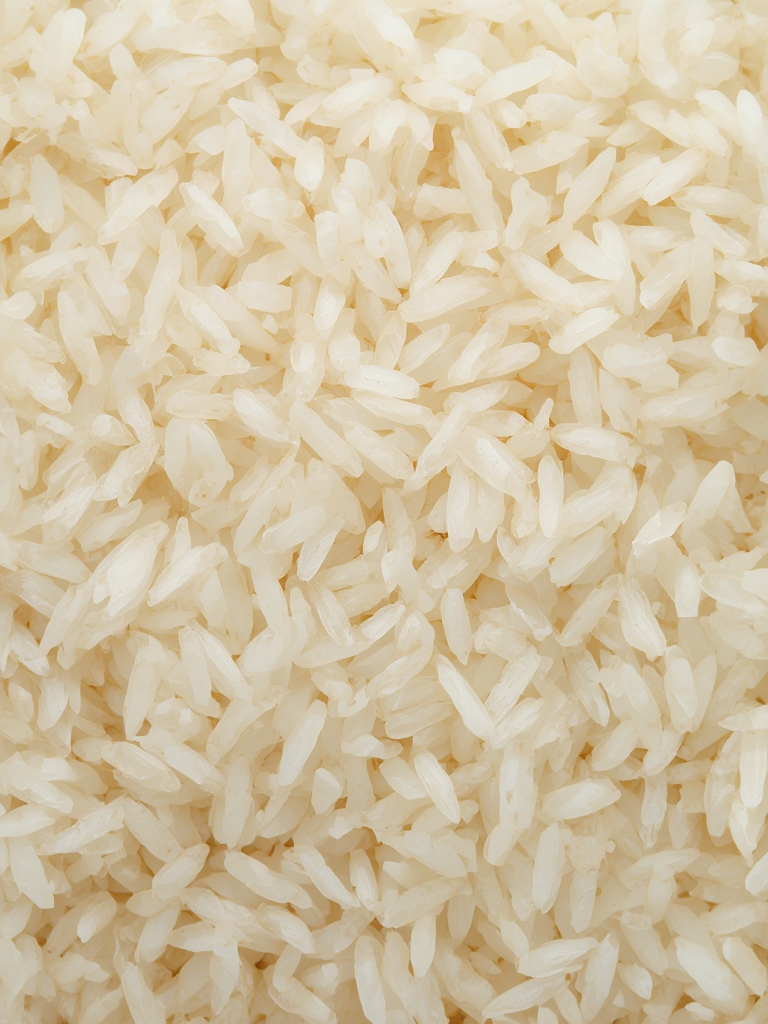

Have you ever savored the distinct aroma and flavor of perfectly cooked basmati rice and wondered if you could grow this prized grain yourself? Basmati rice, known for its long, slender grains and nutty fragrance, isn’t just a supermarket staple—it’s a crop you can cultivate in your own backyard garden. Growing basmati rice at home allows you to experience the complete journey from seed to plate, ensuring you harvest the freshest, most flavorful grains possible. Plus, homegrown basmati rice is free from commercial preservatives and chemicals, making it a healthier option for your family.
Table of Contents
Materials & Supplies
To successfully grow basmati rice, you’ll need:
- Basmati rice seeds: Look for untreated, organic seeds from specialized suppliers
- Growing containers: Large containers at least 12 inches deep with drainage holes
- Soil: Well-draining, nutrient-rich potting soil mixed with compost
- Water source: Rice requires consistent water access
- Fertilizer: Nitrogen-rich organic fertilizer
- Plastic sheeting: To create a greenhouse effect during germination
- Garden tools: Trowel, pruning shears, and watering can
- Optional: Small pond liner for creating a paddy-like environment
Timing / Growing Schedule
Basmati rice requires a long growing season of 130-150 days with warm temperatures. Start seeds indoors 5-6 weeks before your last spring frost date. The growth cycle breaks down as follows:
- Seed germination: 5-7 days
- Seedling stage: 2-3 weeks
- Vegetative growth: 55-85 days
- Flowering and grain formation: 30-35 days
- Ripening: 30-35 days
For most temperate climates, plant in early spring for a late summer/early fall harvest. This timing is similar to growing tomatoes but with a longer maturation period.
Step-by-Step Instructions
Soak the seeds: Immerse basmati rice seeds in water for 24-36 hours until they begin to sprout. Change water daily to prevent fermentation.
Prepare your containers: Fill containers with soil mixture, leaving 3 inches of space at the top. For each container, create a depression in the center about 2 inches deep.
Plant the seeds: Spread pre-soaked seeds evenly across the depression, aiming for approximately 6 seeds per square inch. Cover with a thin layer of soil.
Create a water reservoir: Add water until it stands 1-2 inches above the soil surface. Cover with clear plastic to create humidity and warmth.
Maintain water levels: As seedlings emerge (5-7 days), remove the plastic and maintain water at 1-2 inches above soil.
Fertilize appropriately: Once seedlings reach 5-6 inches tall, apply a nitrogen-rich fertilizer following package directions, typically every 3-4 weeks.
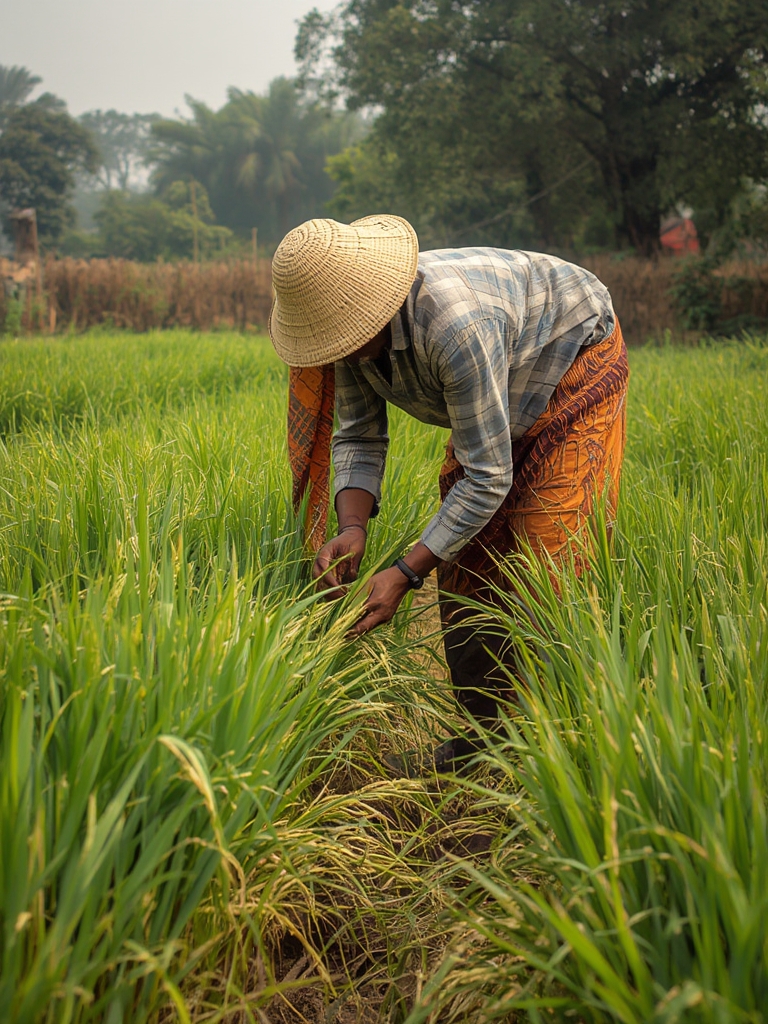
Monitor growth: Rice plants will develop tillers (side shoots) and eventually flower, followed by grain development.
Reduce water: When grains begin to turn golden (about 2-3 weeks before harvest), gradually reduce water levels until soil is just moist.
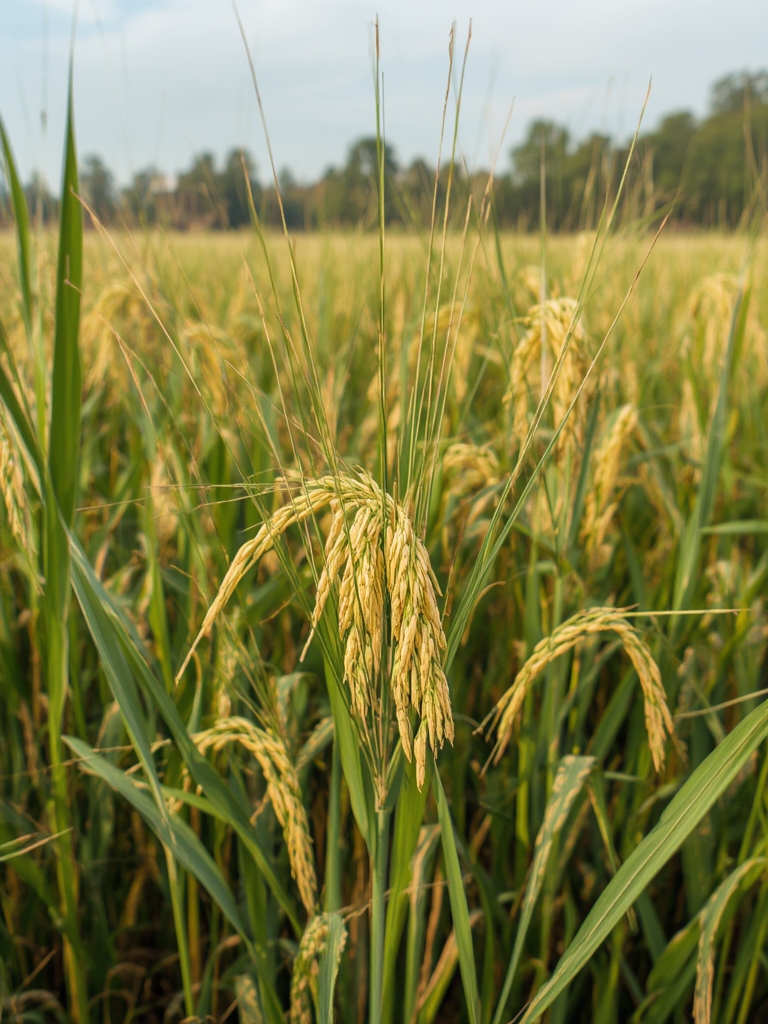
Harvest: Cut stems when 80-85% of grains are golden brown. Hang bundles upside down in a dry, well-ventilated area.
Nutritional Benefits
Home-grown basmati rice offers superior nutritional value compared to commercial varieties. It’s rich in carbohydrates for energy, contains essential amino acids, and provides important B vitamins like thiamine and niacin. Freshly harvested basmati rice also retains more natural oils, enhancing both flavor and nutritional profile. The bran layer, often removed in commercial processing, contains valuable fiber and micronutrients.
Tips and Alternative Methods
For limited spaces, try the container method described above. In warmer climates with abundant rainfall, create a small paddy in a sunny garden spot by digging a depression lined with plastic and filled with clay-rich soil.
Indoor growers can use grow lights to supplement natural sunlight, especially during seedling development. For an authentic approach, practice the SRI (System of Rice Intensification) method, which uses less water and spaces plants further apart for stronger root development.
Common Mistakes to Avoid
- Insufficient water: Rice needs consistent moisture; never let the soil dry out during active growth.
- Overcrowding: Too many plants in a small space leads to weak stems and poor grain development. Thin seedlings if necessary.
- Inadequate sunlight: Rice requires full sun (6-8 hours daily). Insufficient light produces weak, leggy plants.
- Harvesting too early: Premature harvesting results in underdeveloped grains with poor flavor.
- Ignoring pests: Watch for aphids and caterpillars; remove by hand or use organic insecticidal soap.
Storage / Maintenance Tips
After harvesting, dry rice stalks until grains easily separate from husks (about 2-3 weeks). Remove husks by gently rubbing between hands or using a grain mill. Store dehusked rice in airtight containers in a cool, dry place for up to one year.
For perennial maintenance in suitable climates, leave root systems intact after harvesting and cut stems to 2 inches above soil level. In spring, new growth may emerge from established plants.
Conclusion
Growing basmati rice at home connects you with an ancient agricultural tradition while providing the satisfaction of harvesting your own aromatic grains. While it requires patience and attention, the reward of cooking with freshly harvested basmati rice—with its incomparable fragrance and flavor—makes the effort worthwhile. Start small, be patient, and enjoy the journey from seed to delicious, homegrown basmati rice on your table. Why not start your rice-growing adventure this season?
FAQs
Can basmati rice grow in cooler climates?
Yes, but you’ll need to start seeds indoors and possibly use greenhouse techniques to extend the growing season. Choose containers that can be moved indoors if temperatures drop unexpectedly.
How much rice can I expect from a container garden?
A standard 12-inch container can yield approximately 1-2 cups of husked rice. For meaningful harvests, grow multiple containers or dedicate a garden bed to rice cultivation.
Is growing rice water-intensive?
While traditional rice farming uses significant water, container methods allow for controlled water usage. Recirculate water when possible and consider collecting rainwater specifically for your rice garden.
How do I know when my basmati rice is ready to harvest?
Rice is ready when 80-85% of the grains have turned golden-brown and feel firm to the touch. The plants will begin to yellow and dry naturally, and grain heads will droop with the weight of mature rice.