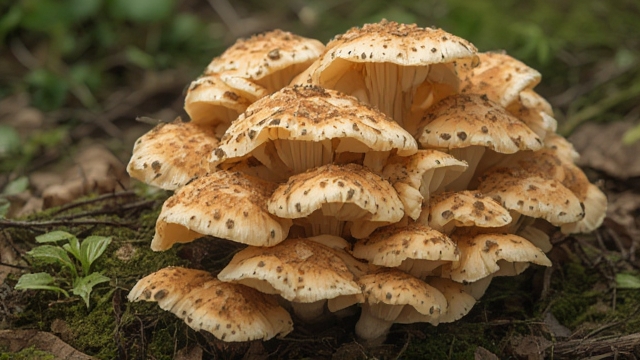

Have you ever wondered how simple it is to cultivate your own fresh oyster mushrooms right in your kitchen? Whether you’re a hobby gardener or a culinary enthusiast, growing oyster mushrooms at home delivers a convenient source of umami‑rich fungi, cuts grocery bills, and gives you full control over organic growing conditions. In this guide you’ll discover straightforward methods, essential supplies, and proven tips to achieve a bountiful harvest of oyster mushrooms—your new favorite superfood.
Table of Contents
Materials & Supplies
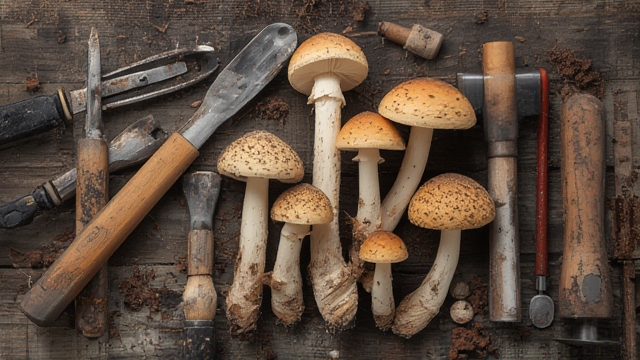
- Substrate – hardwood sawdust, straw, or a ready‑to‑use mushroom‑grow bag.
- Oyster mushroom spawn – grain‑based or sawdust‑based inoculum (choose pearl, blue, or pink varieties).
- Growing container – plastic spawn bags, polypropylene buckets, or wooden trays with drainage holes.
- Humidity and temperature tools – hygrometer, spray bottle, heating mat (optional).
- Sterilization equipment – pressure cooker or large pot for pasteurizing substrate.
- Optional extras – calcium carbonate (lime) to adjust pH, perlite for moisture retention, LED grow light for supplemental lighting.
Having these items on hand ensures a clean, controlled environment for your oyster mushrooms to thrive.
Timing / Growing Schedule
| Phase | Duration | Key Actions |
|---|---|---|
| Substrate preparation | 1–2 days | Soak, pasteurize, and cool substrate |
| Inoculation | 1 day | Mix spawn with cooled substrate |
| Colonization | 2–3 weeks | Keep at 20–24 °C (68–75 °F), in darkness |
| Fruiting initiation | 5–10 days | Lower temperature to 15–20 °C, increase fresh air |
| Harvest | 3–5 days after pinning | Pick when caps curl upward, before spore release |
Overall, a typical cycle from substrate to first harvest spans 5–8 weeks, depending on the variety and ambient conditions.
Step-by-Step Instructions
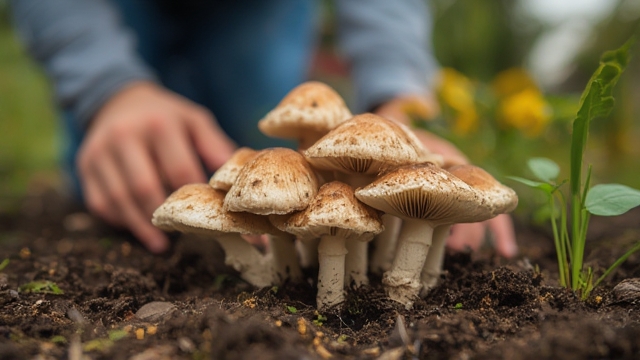
- Prepare the substrate – Soak straw or sawdust for 12 hours, then pasteurize at 70 °C (158 °F) for 1 hour. Cool to <30 °C (86 °F).
- Inoculate – In a clean workspace, mix spawn with substrate at a ratio of roughly 5–10 % by weight. Seal in a grow bag or container.
- Incubate – Place the bag in a dark area at 20–24 °C (68–75 °F). Keep humidity around 70 % by occasional misting. Allow mycelium to fully colonize (2–3 weeks).
- Induce fruiting – Once the substrate is 80 % white mycelium, cut small slits in the bag for air exchange. Move to a cooler room (15–20 °C) and maintain high humidity (85–90 %). Light exposure (12 h/day) helps trigger pinning.
- Maintain conditions – Mist 2–3 times daily, provide gentle fan ventilation, and monitor temperature. Tiny pins appear within 5–10 days.
- Harvest – Harvest when caps flatten and edges curl up, usually 3–5 days after pinning. Twist or cut mushrooms at the base to avoid damaging the mycelium.
Pro tip: For a continuous supply, leave a small portion of the substrate untouched after harvest; it can produce a second flush within 2–3 weeks.
Nutritional Benefits / Advantages
Oyster mushrooms are low‑calorie, high‑protein, and rich in B‑vitamins (riboflavin, niacin), iron, zinc, and dietary fiber. Their bioactive compounds, such as polysaccharides and antioxidants, support immune function and may reduce inflammation. Growing them at home ensures you get fresh, pesticide‑free produce with maximum nutrient density. Additionally, cultivating oyster mushrooms recycles agricultural waste (straw, sawdust) into edible food, making it an eco‑friendly project.
Tips, Alternative Methods, or Gardening Advice
- Container gardening – Use a 5‑gallon bucket with drilled holes for simple indoor setups.
- Raised beds – Fill a shallow raised bed with pasteurized straw, inoculate, and cover with a humidity‑retaining tarp.
- Organic certification – Swap synthetic nutrients for organic compost tea or soy hulls to meet organic standards.
- Climate adaptation – In hotter climates, use a shaded outdoor area and a misting system; in cooler zones, a small greenhouse or indoor grow tent can extend the season.
- Small‑space solution – A closet or cabinet with a small fan and LED strip light can produce a steady harvest year‑round.
Common Mistakes to Avoid
- Insufficient sterilization – Contaminants outcompete mycelium; always pasteurize or sterilize the substrate.
- Over‑watering – Too much moisture leads to slime or bacterial blotch. Keep substrate damp, not soggy.
- Poor air exchange – Lack of fresh air causes long, stringy stems and no fruiting. Provide ventilation slits or a fan.
- Inconsistent temperature – Fluctuations above 28 °C (82 °F) can halt growth; use a thermometer to monitor.
- Harvesting too late – Caps that fully flatten release spores, reducing quality and potentially causing respiratory irritation.
Storage / Maintenance Tips
After harvesting, store fresh oyster mushrooms in a paper bag inside the refrigerator—ideal for up to 5–7 days. For longer preservation, blanch briefly and freeze, or dehydrate for a crispy snack. Between flushes, keep the substrate lightly misted and maintain a stable temperature to encourage successive harvests. Periodically check for contaminants and remove any moldy patches promptly.
Conclusion
Growing fresh oyster mushrooms at home is a rewarding, fairly low‑investment project that delivers nutritious, flavorful fungi in just a few weeks. By following the simple steps outlined—preparing a sterile substrate, inoculating, and managing humidity and temperature—you’ll be on your way to a consistent supply of oyster mushrooms right from your own space. Give it a try, share your harvest with friends, and explore more home‑grown delights on our blog!
FAQs
How long does it take for oyster mushrooms to fruit?
Most varieties fruit 5–10 days after the first pins appear, with the entire cycle from inoculation to harvest taking 5–8 weeks.
Can I grow oyster mushrooms without a spawn kit?
Yes, you can purchase spawn online or from a local supplier; alternatively, you can produce your own using a sterile culture, but a ready‑made spawn kit simplifies the process.
What is the best temperature for fruiting oyster mushrooms?
A cooler range of 15–20 °C (59–68 °F) is ideal; higher temperatures can delay pinning and lead to weak fruiting bodies.
Do oyster mushrooms need sunlight?
Indirect light or ambient room light is sufficient; direct scorching sunlight should be avoided as it dries the substrate.
Why are my mushrooms turning brown or slimy?
Brown, slimy caps often indicate excess humidity, poor air flow, or contamination. Increase ventilation, reduce misting, and ensure the substrate is not water‑logged.