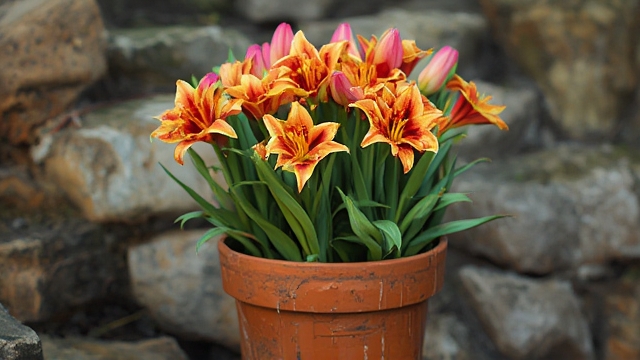

Easy Planting Tips for Lilly Pot Lasagna Bulbs – Have you ever wondered how to create a stunning, low-maintenance garden display that blooms continuously throughout the growing season? Lilly Pot Lasagna Bulbs offer an innovative planting technique that layers different bulb varieties in a single container, creating a cascading display of color from early spring to late summer. This method not only maximizes visual impact but also simplifies container gardening for beginners and seasoned horticulturists alike. Whether you’re working with a small balcony, patio, or expansive backyard, mastering Lilly Pot Lasagna Bulbs can transform your outdoor space into a vibrant floral paradise with minimal effort.
Table of Contents
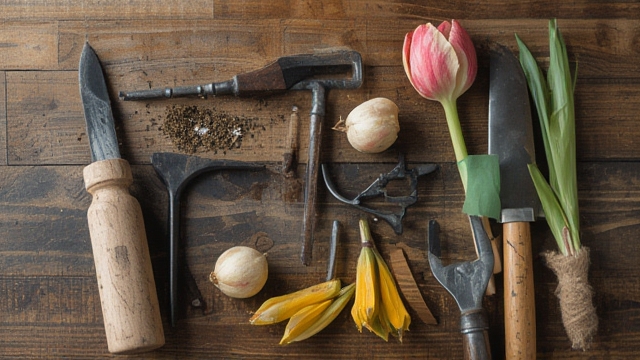
Materials & Supplies
Before beginning your Lilly Pot Lasagna Bulbs journey, gather the following essential materials:
- Container: A pot at least 12 inches deep and 14-16 inches in diameter with adequate drainage holes
- Potting mix: High-quality, well-draining potting soil enriched with organic matter
- Bulb varieties: Early, mid-season, and late-blooming bulbs such as tulips, daffodils, hyacinths, crocuses, and alliums
- Slow-release fertilizer: Balanced 10-10-10 fertilizer or bulb-specific formula
- Watering can or garden hose: For consistent moisture management
- Mulch: Straw, shredded bark, or cocoa hulls for moisture retention
- Optional items: Drainage material (pebbles or broken pottery pieces), gardening gloves, trowel, and decorative stones for topping
Timing / Growing Schedule
Successful Lilly Pot Lasagna Bulbs planting follows a strategic timeline:
- Preparation phase (Fall, 4-6 weeks before ground freezes): Plan your color scheme and purchase bulbs
- Planting window (Late fall to early winter): Plant bulbs before the first hard frost, typically October through December depending on your climate zone
- Chilling period (12-16 weeks): Bulbs require a cold dormancy period to trigger blooming
- Expected bloom time (Early spring through late summer): Depending on bulb selection, flowers appear sequentially over 4-6 months
- Maintenance phase (Post-bloom): Allow foliage to die back naturally for next year’s energy storage
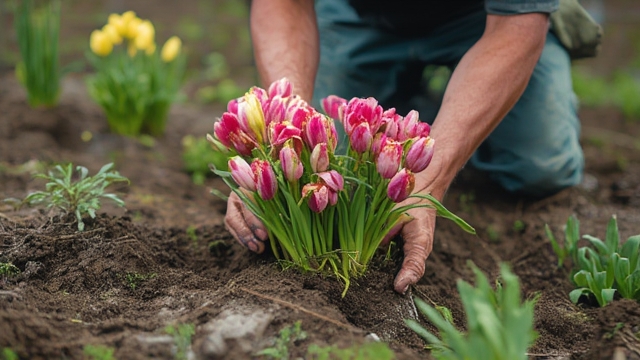
Step-by-Step Instructions
- Prepare your container: Place drainage material at the bottom, then fill with 4 inches of potting mix
- Add the first bulb layer: Plant late-blooming bulbs (tulips, alliums) at the deepest level, pointed end up, spaced 2-3 inches apart
- Add medium layer: Cover with 2 inches of soil, then plant mid-season bulbs (daffodils, hyacinths)
- Create the top layer: Add another 2-inch soil layer, then plant early-blooming bulbs (crocuses, grape hyacinths)
- Finish and water: Top with remaining soil, water thoroughly until moisture drains from bottom
- Apply mulch: Add 2-inch mulch layer for moisture retention and temperature regulation
- Position strategically: Place container in location receiving 6+ hours of sunlight daily
Nutritional Benefits / Advantages
Growing Lilly Pot Lasagna Bulbs provides numerous benefits beyond aesthetic appeal. These bulbs attract essential pollinators including bees, butterflies, and hummingbirds, supporting local ecosystems. The diverse root systems improve soil structure and aeration in container gardens. Additionally, gardening with bulbs reduces food miles and packaging waste associated with cut flower purchases. Homegrown bulbs also provide natural pest deterrent properties, as many varieties contain compounds that repel certain insects naturally.
Tips, Alternative Methods, or Gardening Advice
For small spaces, consider vertical stacking using tiered plant stands or hanging baskets. Gardeners in warmer climates (zones 8-10) can pre-chill bulbs in refrigerators for 12 weeks before planting. Organic alternatives include using compost tea for fertilization and neem oil for pest prevention. Indoor growers should position containers near bright windows and maintain temperatures between 55-65°F during the chilling period. Consider companion planting with evergreen foliage plants like hostas or ferns to fill spaces between blooming cycles.
Common Mistakes to Avoid
Overwatering causes bulb rot; allow soil to dry slightly between waterings. Planting too shallow exposes bulbs to temperature fluctuations; maintain proper depth of 3-4 times bulb height. Ignoring sunlight requirements results in leggy growth and reduced blooms; ensure adequate light exposure. Removing foliage prematurely deprives bulbs of energy; wait until leaves yellow naturally. Skipping drainage leads to waterlogging; always use pots with holes and drainage layers.
Storage / Maintenance Tips
After blooming, continue watering until foliage dies back completely. Apply balanced fertilizer once annually in early spring. In colder climates, move containers to sheltered locations or insulate with bubble wrap during freeze warnings. Divide bulbs every 3-4 years when clusters become crowded, typically after foliage dies back. Store divided bulbs in cool, dry locations in mesh bags until replanting season.
Conclusion
Lilly Pot Lasagna Bulbs represent an achievable dream for gardeners seeking continuous color with minimal maintenance. By following these planting techniques and care guidelines, you can create a breathtaking container display that returns year after year. Start your layered bulb garden today and experience the joy of watching your精心策划的花卉 display从春天绽放至夏末。 Share your progress with our community or explore our related guides on companion planting and seasonal garden design.
FAQs
How long do Lilly Pot Lasagna Bulbs last?
With proper care, bulbs can thrive and bloom for 3-5 years before requiring division.
Can I use any container for lasagna planting?
Ensure your container is at least 12 inches deep with proper drainage; terracotta, ceramic, and plastic pots all work well.
Do I need to dig up bulbs every year?
In most climates, bulbs can remain in containers year-round with adequate winter protection.
Why aren’t my bulbs blooming?
Common causes include insufficient chilling period, poor drainage, overcrowding, or inadequate sunlight.
Can I combine different bulb types in one layer?
Yes, just ensure similar bloom times and planting depths within each layer for optimal results.