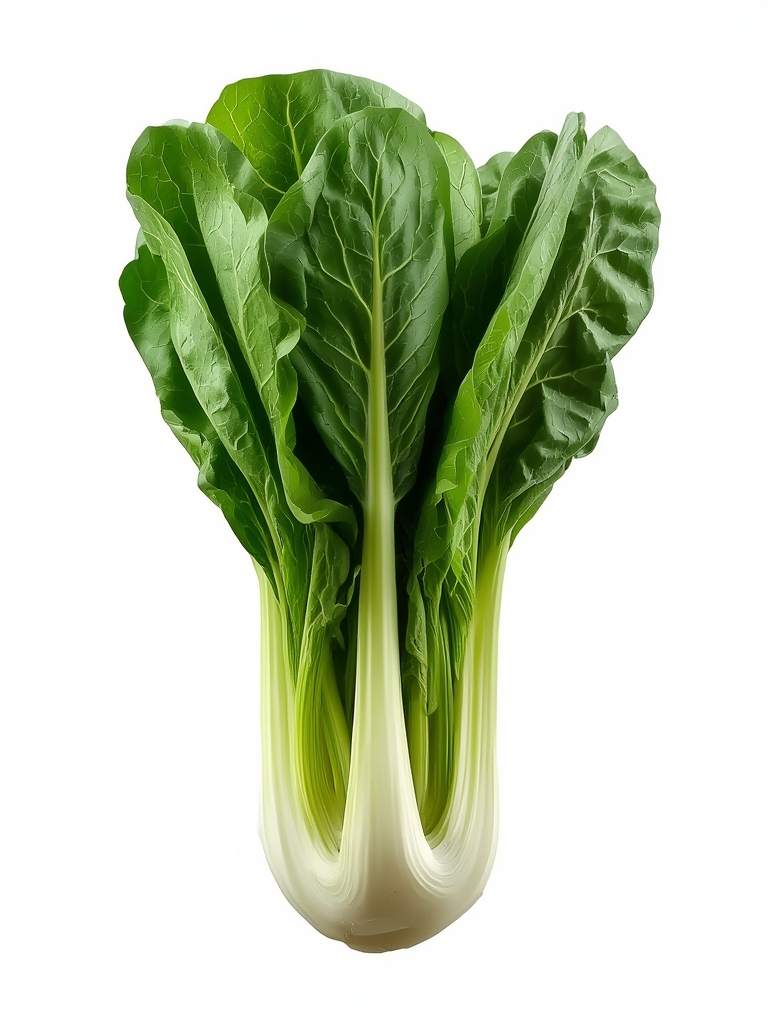

Have you ever wondered why restaurant bok choy tastes so much better than store-bought varieties? The secret lies in freshness and proper growing techniques. Growing your own bok choy at home not only guarantees the crispest, most flavorful leaves possible but also provides continuous access to this nutritious Asian green. Whether you’re a novice gardener or seasoned green thumb, bok choy offers an accessible entry point into vegetable gardening with its quick growth cycle and minimal maintenance requirements. Let’s dive into everything you need to know to grow perfect bok choy with tender stems and crunchy leaves right in your own garden.
Table of Contents
Materials & Supplies
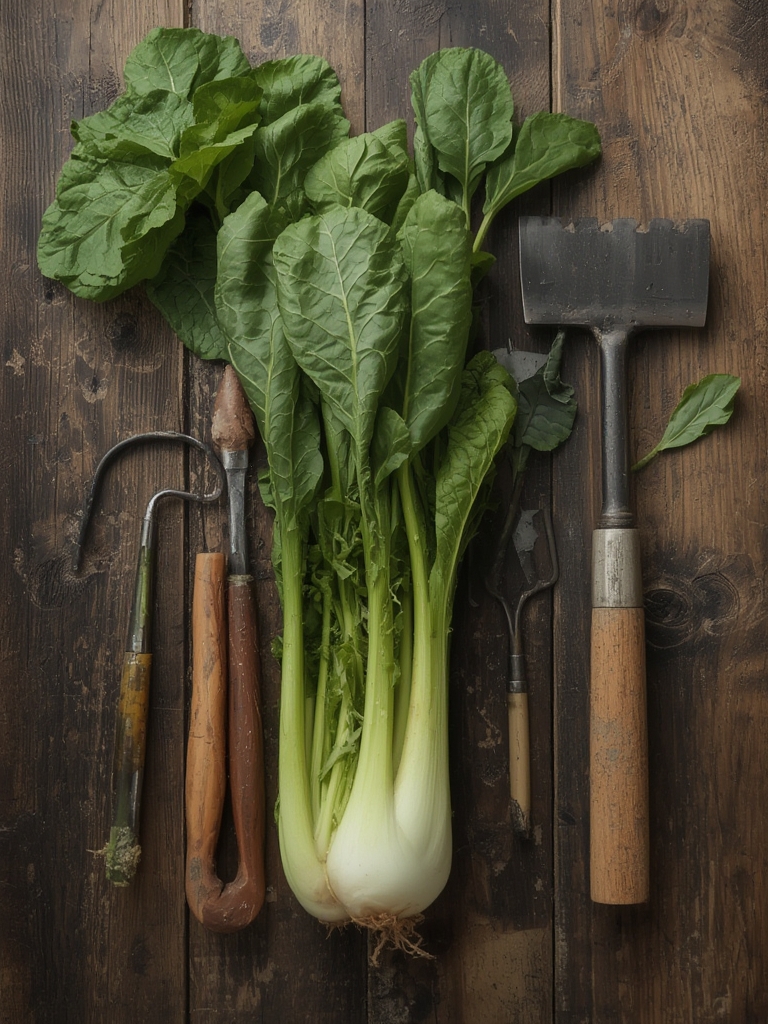
To start your bok choy growing journey, gather these essential supplies:
- Seeds or seedlings: Choose between traditional bok choy or baby bok choy varieties depending on your preference and growing space.
- Growing containers: 6-8 inch deep containers with drainage holes or garden bed space.
- Potting mix: Well-draining soil rich in organic matter (pH 6.0-7.0).
- Compost or aged manure: For soil amendment and natural fertilization.
- Balanced organic fertilizer: 10-10-10 or similar ratio.
- Watering can or irrigation system: For consistent moisture delivery.
- Row covers or insect netting: Optional but helpful for pest protection.
- Garden labels: To mark planting dates and varieties.
- Garden gloves and basic tools: Trowel, cultivator, and pruners.
Timing / Growing Schedule
Bok choy is a cool-season crop that performs best when temperatures range between 55-75°F (13-24°C). For spring planting, sow seeds 4-5 weeks before the last frost date. For fall harvests (often producing the best flavor), plant 6-8 weeks before the first expected frost.
The complete growth cycle from seed to harvest spans approximately 45-60 days, making bok choy one of the quickest vegetable crops you can grow. Baby bok choy varieties mature even faster, often ready in just 30-40 days. This rapid growth cycle allows for successive plantings throughout the growing season.
Step-by-Step Instructions
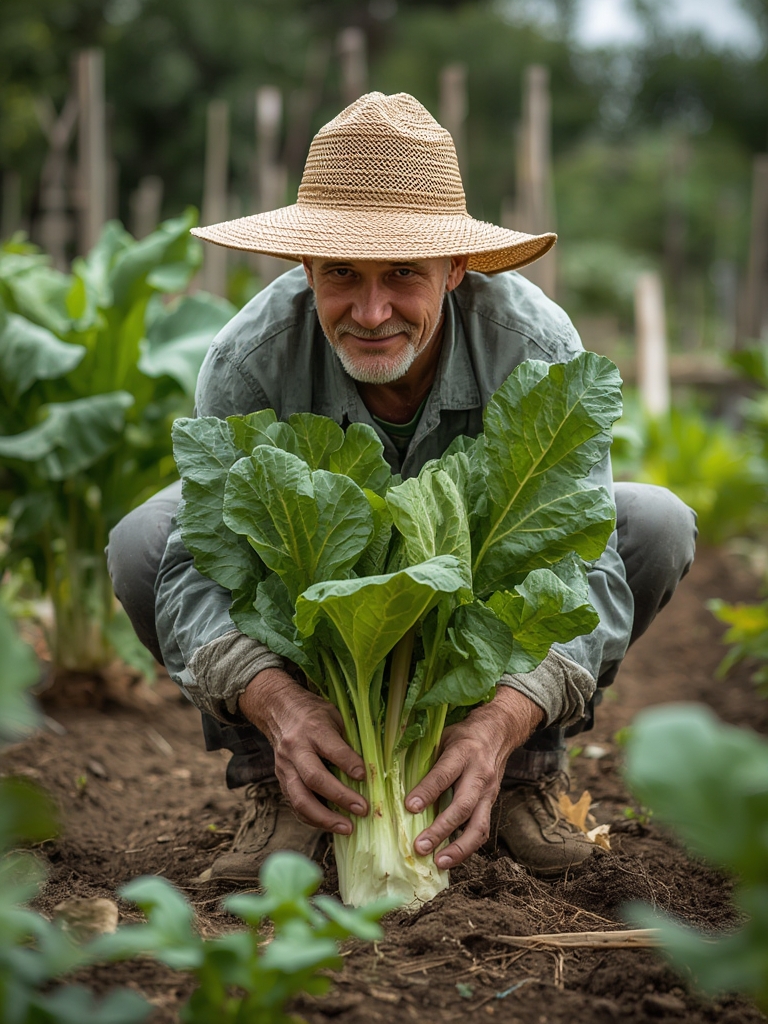
Prepare your growing area: Loosen soil to a depth of 8-10 inches and incorporate 2-3 inches of compost. For containers, fill with quality potting mix enhanced with compost.
Sow seeds: Plant seeds ¼ inch deep and 1 inch apart. For rows, space them 18-24 inches apart to allow mature plants room to develop.
Maintain moisture: Water gently but thoroughly after planting. Keep soil consistently moist but never soggy. Consider bottom watering seedlings to prevent damping off.
Thin seedlings: Once seedlings develop their first true leaves, thin to 6-8 inches apart for full-sized varieties or 4-5 inches for baby bok choy.
Fertilize lightly: Apply diluted liquid fertilizer when plants reach 4 inches tall. Avoid excessive nitrogen which can cause bitter leaves.
Monitor for pests: Check undersides of leaves regularly for aphids, flea beetles, and cabbage worms. Remove pests manually or use organic deterrents.
Harvest properly: Cut whole plants at soil level when they reach mature size, or harvest outer leaves individually for continued production.
Nutritional Benefits
Bok choy packs impressive nutritional value, containing vitamins A, C, and K, plus calcium, potassium, and folate. It’s particularly rich in antioxidants and provides only 9 calories per cup, making it ideal for health-conscious gardeners. Home-grown varieties contain higher vitamin content than store-bought alternatives since nutrients begin decreasing immediately after harvest.
Tips and Alternative Methods
For container gardening, choose dwarf or baby bok choy varieties. These compact plants thrive in 6-inch pots on balconies or windowsills. In warmer climates, provide afternoon shade to prevent bolting. Consider companion planting with herbs like dill and cilantro to deter pests naturally.
For year-round production, grow bok choy indoors under grow lights, maintaining 14-16 hours of light daily and temperatures between 60-70°F (15-21°C).
Common Mistakes to Avoid
- Overcrowding plants: Leads to poor air circulation and disease problems. Solution: Thin seedlings appropriately.
- Inconsistent watering: Causes bitter flavor and tough texture. Solution: Maintain even soil moisture.
- Planting during hot weather: Results in premature bolting. Solution: Time plantings for cool seasons.
- Over-fertilizing: Creates excessive leaf growth but poor flavor. Solution: Use balanced, diluted fertilizers.
Storage / Maintenance Tips
Harvest in the morning when leaves are crisp and store unwashed in perforated plastic bags in the refrigerator for up to one week. For longer-term storage, blanch leaves for one minute, cool in ice water, drain thoroughly, and freeze in airtight containers.
Continue succession planting every 2-3 weeks during appropriate seasons for continuous harvests. Apply a thin layer of mulch around plants to retain moisture and suppress weeds.
Conclusion
Growing your own bok choy delivers unmatched freshness and flavor while providing nutritional benefits that store-bought varieties simply can’t match. With minimal space requirements and quick growth, it’s perfect for both beginning and experienced gardeners. Start with one variety, experiment with different growing methods, and soon you’ll be enjoying the satisfying crunch of homegrown bok choy in your favorite recipes.
FAQs
Why are my bok choy leaves turning yellow?
Yellowing leaves often indicate overwatering or nutrient deficiencies. Ensure proper drainage and apply balanced fertilizer according to package instructions.
Can I grow bok choy in partial shade?
Yes! Bok choy actually prefers partial shade in warmer climates, which helps prevent premature bolting and maintains tender leaf texture.
How do I prevent my bok choy from bolting?
Plant during cool seasons, provide afternoon shade in warmer weather, ensure consistent watering, and harvest promptly when plants reach maturity.
Is it better to start bok choy from seeds or transplants?
Direct seeding works well in mild climates, but using transplants gives you a head start in regions with shorter growing seasons.