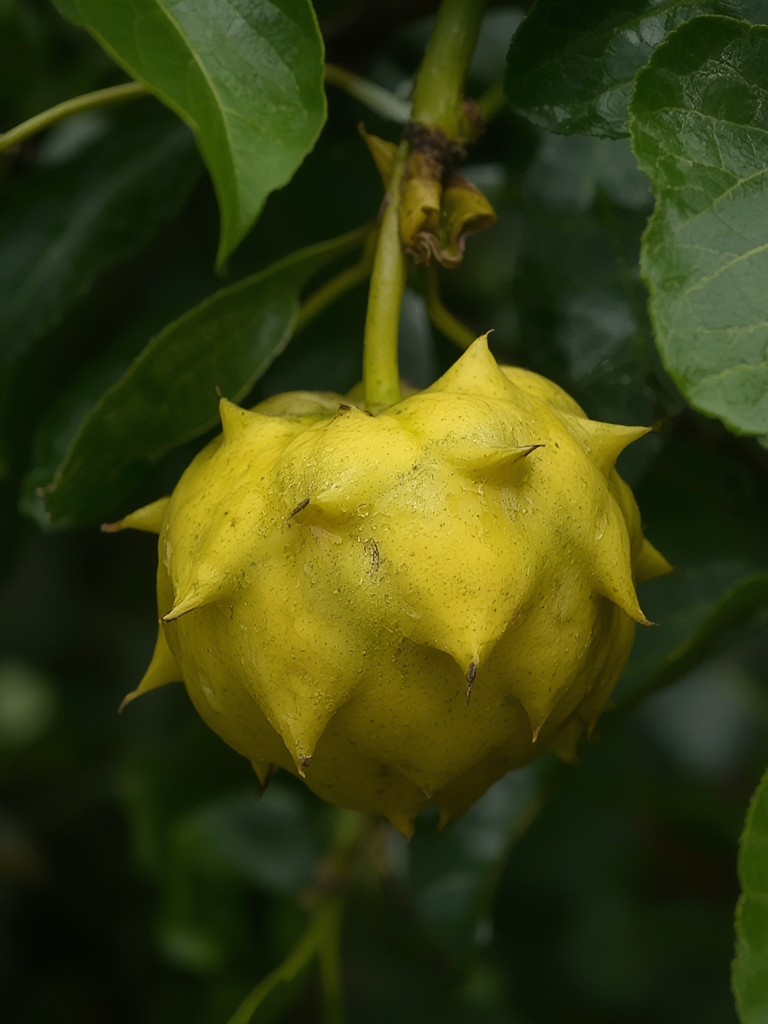

Have you ever wondered if you could grow those exotic, star-shaped fruits you’ve seen at specialty markets right in your own garden? Growing starfruit (also known as carambola) at home is not only possible but deeply rewarding. This tropical delight, with its distinctive ridges that form a perfect star when sliced, brings both ornamental beauty and unique flavor to home gardens. Whether you have a spacious backyard or just a sunny balcony, starfruit trees can thrive with proper care. Let’s explore how you can cultivate your own starfruit tree and enjoy its sweet-tart fruits year after year.
Table of Contents
Materials & Supplies
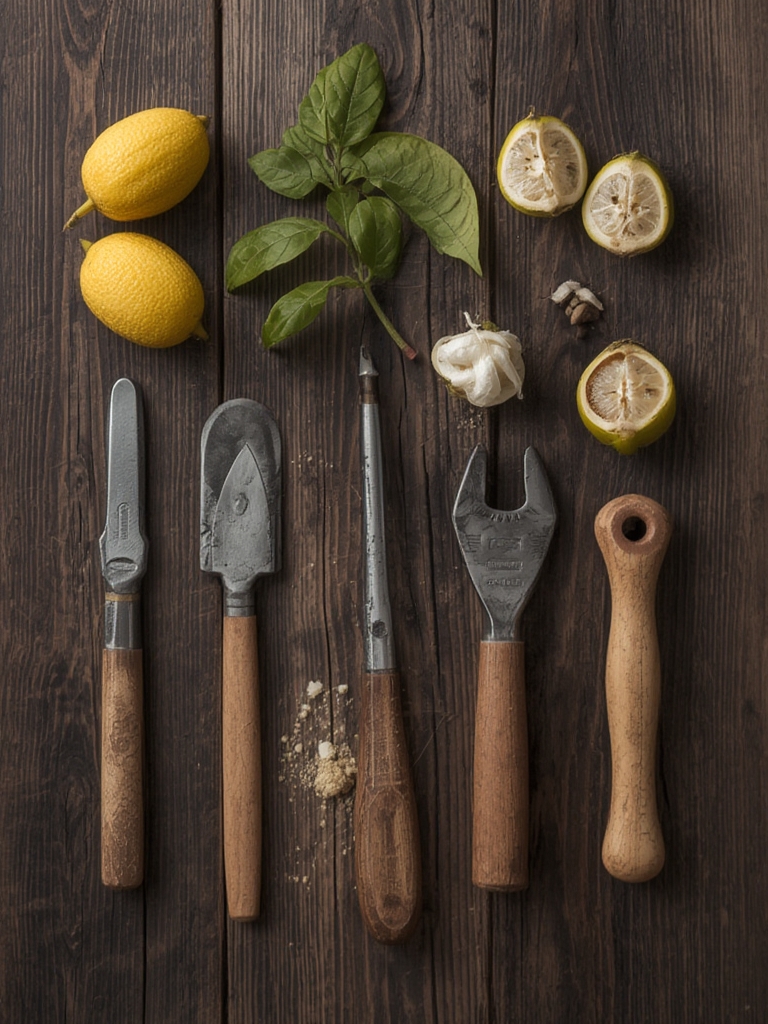
To successfully grow starfruit at home, you’ll need:
- Starfruit seedling or grafted tree: Young grafted trees produce fruit faster than those grown from seeds
- Large container (20-25 gallons) if not planting in-ground
- Well-draining potting soil: Mix regular potting soil with perlite and coconut coir for ideal drainage
- Organic compost: To enrich the soil with natural nutrients
- Slow-release fertilizer: Low in nitrogen but rich in potassium and phosphorus
- Watering can or drip irrigation system: For consistent watering
- Pruning shears: To maintain shape and encourage fruiting
- pH testing kit: Starfruit prefers slightly acidic soil (pH 5.5-6.5)
- Mulch: Organic matter like wood chips or coconut husks
- Support stakes: Young trees may need support while establishing
Timing / Growing Schedule
Starfruit trees require patience but reward diligently. When starting with a grafted tree:
- Establishment period: 1-2 years before first fruiting
- Growth cycle: Evergreen with main flowering periods in spring and fall in tropical climates
- Fruiting season: Typically 3-4 months after flowering
- Maturity timeline: Full production by years 3-5
- Harvest window: Each fruit takes approximately 60-75 days from flower to ripe fruit
Compared to other tropical fruits like mangoes (which can take 5-8 years to produce), starfruit’s relatively quick 2-3 year timeline to first fruit makes it an attractive option for home growers.
Step-by-Step Instructions
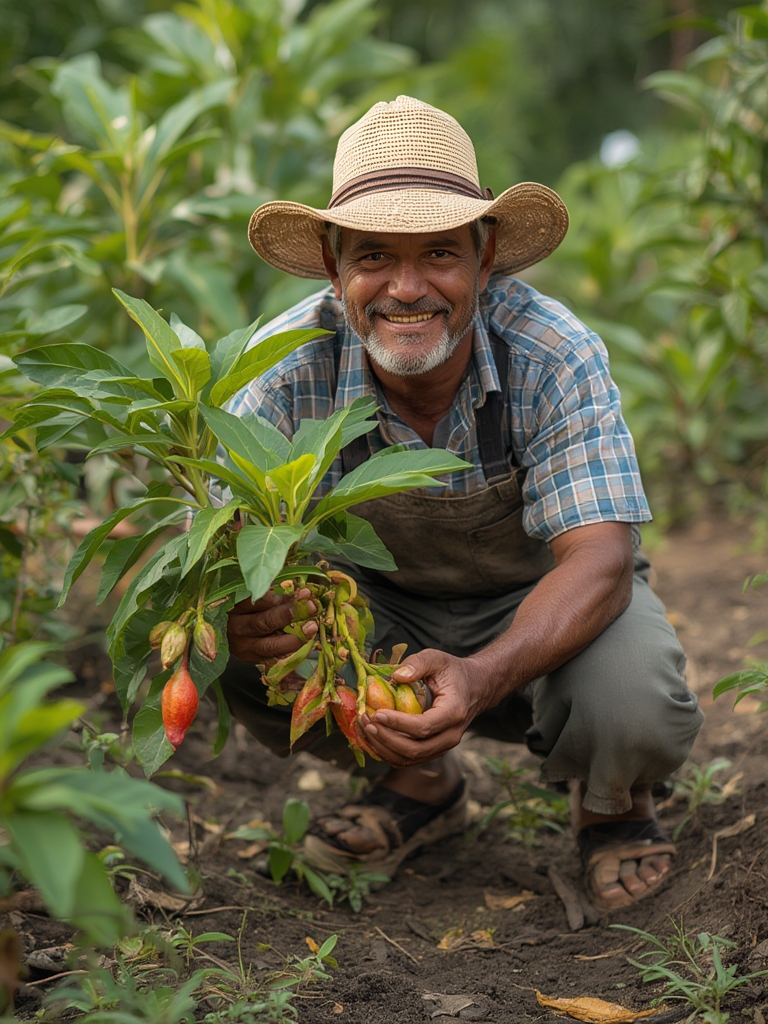
Select the right location: Choose a spot with full sun (at least 6 hours daily) and protection from strong winds. If you live in zones below 9b, plan to grow in containers that can be moved indoors during cold weather.
Prepare the soil: Mix garden soil with compost and sand to create excellent drainage. For container growing, use high-quality potting mix amended with perlite.
Plant correctly: Dig a hole twice the width of the root ball but at the same depth. Place the tree at the same level it was growing in its nursery container—planting too deep can suffocate roots.
Water appropriately: Immediately after planting, water thoroughly. For the first two weeks, water every 2-3 days, then reduce to once weekly, adjusting for rainfall. The key is consistent moisture without waterlogging.
Apply mulch: Add a 2-3 inch layer of mulch around the base, keeping it a few inches away from the trunk to prevent rot.
Fertilize regularly: Apply a balanced, slow-release fertilizer formulated for fruit trees every 2-3 months during the growing season. Switch to higher potassium formulations when flowering begins.
Nutritional Benefits
Starfruit offers impressive nutritional value, containing:
- High vitamin C content (over 30% of daily requirements in a single fruit)
- Rich in antioxidants that help fight inflammation
- Good source of fiber for digestive health
- Low in calories (approximately 30 calories per fruit)
- Contains potassium, copper, and B-complex vitamins
Growing your own ensures you’re getting the freshest fruit with maximum nutritional value, harvested at peak ripeness.
Tips and Alternative Methods
- Container growing: Choose dwarf varieties like ‘Kembangan’ or ‘Arkin’ for containers
- Indoor cultivation: Possible in bright sunrooms with supplemental grow lights during winter
- Companion planting: Pair with low-growing herbs like basil or mint to maximize garden space
- Vertical options: Espaliered starfruit trees can grow flat against walls, ideal for small gardens
- Water conservation: Install a drip irrigation system with timer to maintain consistent moisture
Common Mistakes to Avoid
- Overwatering: Yellow leaves often indicate soggy soil. Ensure proper drainage and let soil dry slightly between waterings.
- Cold exposure: Temperatures below 30°F can kill your tree. Cover during unexpected frosts or move containers indoors.
- Over-fertilizing: Too much nitrogen produces lush foliage but fewer fruits. Use balanced or low-nitrogen formulations.
- Improper pruning: Cutting too many branches reduces fruiting sites. Limit pruning to shaping and removing dead wood.
- Ignoring pests early: Watch for scale insects and fruit flies. Introduce beneficial insects like ladybugs or use neem oil for organic control.
Storage / Maintenance Tips
- Harvesting: Pick fruits when they’re fully yellow with slight browning on the ridges for best flavor
- Storage: Ripe starfruit keeps for 3-5 days at room temperature or 1-2 weeks refrigerated
- Pruning schedule: Shape trees in late winter before spring growth
- Protection: Cover young trees during unexpected cold snaps with frost cloth
- Annual care: Apply compost around the drip line every spring
- Long-term maintenance: Replenish mulch twice yearly and repot container plants every 2-3 years
Conclusion
Growing starfruit at home connects you with this tropical treasure in a uniquely personal way. With the right conditions, patience, and care, you’ll enjoy both the ornamental beauty of the tree and the distinctive flavor of freshly harvested fruit. The journey from sapling to fruiting tree is itself rewarding, offering lessons in tropical gardening that can expand your horticultural skills. Why not try growing your own starfruit tree? Your future self will thank you when enjoying that first homegrown, star-shaped slice.
FAQs
How long does it take for starfruit trees to bear fruit?
Grafted starfruit trees typically begin producing fruit in 2-3 years, while seed-grown trees may take 4-5 years before fruiting.
Can starfruit grow in cold climates?
Starfruit requires tropical or subtropical conditions (USDA zones 9b-11). In colder areas, grow in containers that can be moved indoors when temperatures drop below 40°F.
How do I know when starfruit is ripe?
Ripe starfruit is fully yellow to amber-colored with slight browning on the ridges. The fruit will have a sweet fragrance and yield slightly to gentle pressure.
Is starfruit safe for everyone to eat?
While delicious for most people, those with kidney problems should avoid starfruit as it contains neurotoxins that cannot be properly filtered by compromised kidneys.
How tall do starfruit trees grow?
In optimal conditions, starfruit trees can reach 20-30 feet tall, but container-grown or pruned specimens typically stay between 6-12 feet, making them manageable for home gardens.