
Ever wondered how to enjoy fresh, crisp cabbage straight from your garden regardless of the season? Growing cabbage at home not only provides you with nutritious vegetables but also gives you full control over how they’re grown—without pesticides or chemicals that often come with store-bought produce. Whether you have acres of land or just a small balcony, cabbage can thrive in various environments with the right care. Let’s dive into the best methods for growing cabbage year-round, ensuring you’ll never be without this versatile vegetable for your favorite recipes.
Table of Contents
Materials & Supplies
To successfully grow cabbage, you’ll need:
- Seeds or seedlings: Choose varieties suited to your climate (Danish Ballhead for cold weather, Fast Ball for quicker harvests)
- Soil: Well-draining, nutrient-rich garden soil or potting mix with pH between 6.5-7.0
- Containers: At least 12 inches deep with drainage holes if not planting in-ground
- Fertilizer: Nitrogen-rich organic fertilizer or well-rotted compost
- Watering can or irrigation system: For consistent moisture delivery
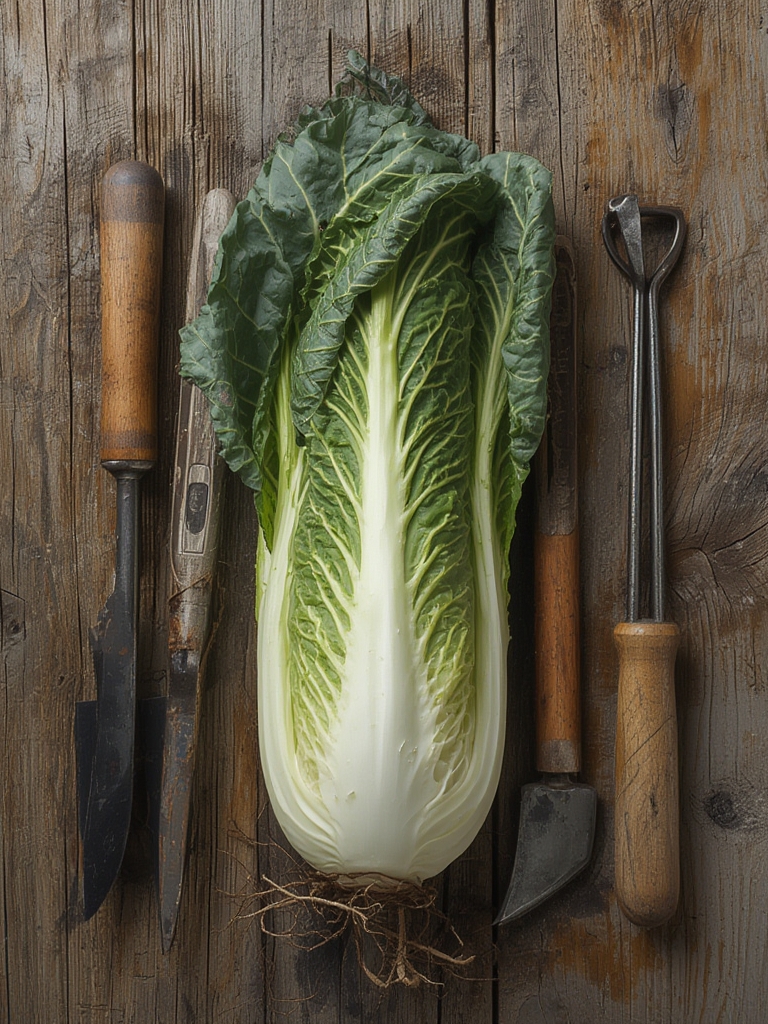
- Garden tools: Trowel, garden fork, and pruners
- Row covers or netting: To protect plants from pests (optional but recommended)
- Mulch: Straw, wood chips, or leaf mulch to retain moisture and suppress weeds
Timing / Growing Schedule
Cabbage is primarily a cool-season crop with specific timing requirements:
- Seed starting: 6-8 weeks before last spring frost for spring/summer harvest; 12-14 weeks before first fall frost for fall/winter harvest
- Transplanting: 4-6 weeks after starting seeds, when seedlings have 4-6 true leaves
- Growth period: 70-120 days from transplant to harvest, depending on variety
- Harvest window: Spring cabbage matures in early summer; fall cabbage can often withstand light frosts and may be harvested well into winter
For comparison, cabbage grows about twice as long as lettuce but matures faster than winter squash.
Step-by-Step Instructions
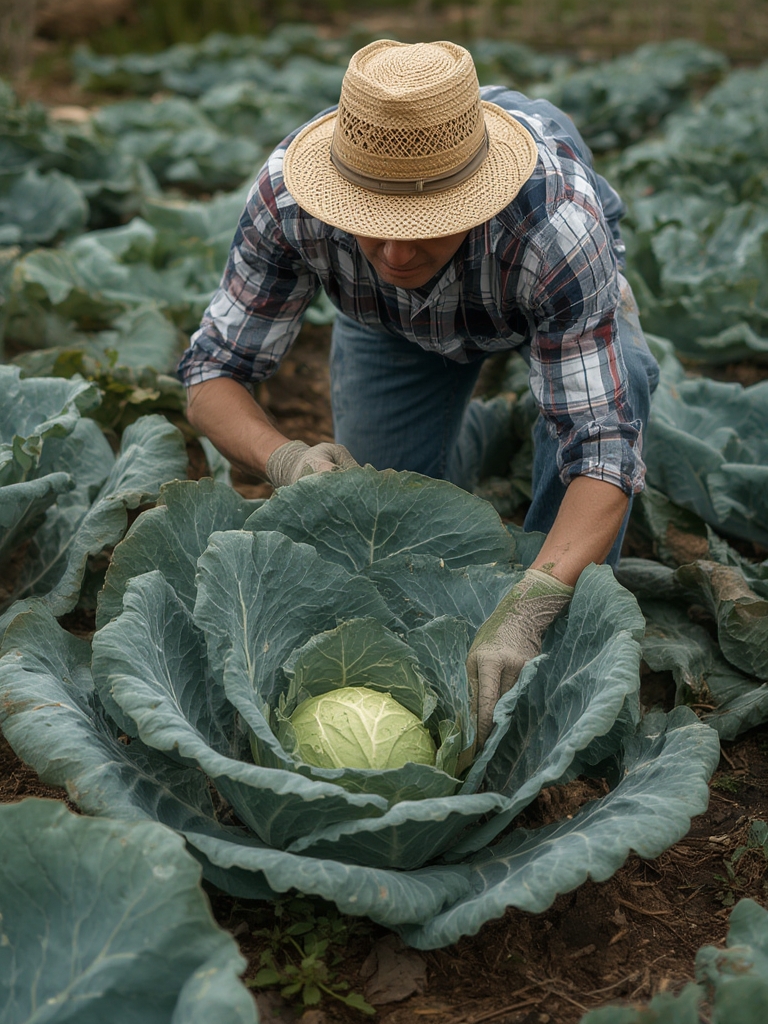
Prepare your soil: Incorporate 2-3 inches of compost into your garden bed. For containers, use quality potting mix with 20% compost added. Tip: Add a handful of bone meal to each planting hole for stronger root development.
Start seeds indoors: Plant seeds ¼ inch deep in seed trays. Keep soil consistently moist but not soggy. Maintain temperature around 70°F until germination.
Harden off seedlings: One week before transplanting, gradually expose seedlings to outdoor conditions for increasing periods each day.
Transplant carefully: Space plants 12-18 inches apart in rows 24 inches apart. Plant slightly deeper than they were in containers. Water thoroughly after planting.
Water consistently: Provide 1-1.5 inches of water weekly. Use drip irrigation if possible to keep leaves dry and prevent disease.
Apply mulch: Add 2-3 inches of mulch around plants to retain moisture and suppress weeds.
Feed regularly: Side-dress with compost or balanced fertilizer when heads begin to form.
Monitor for pests: Check undersides of leaves weekly for cabbage worms or aphids. Remove by hand or spray with neem oil.
Nutritional Benefits
Homegrown cabbage offers impressive health benefits:
- High in vitamin C (50% of daily needs per cup)
- Rich in vitamin K for bone health
- Contains glucosinolates that may help reduce cancer risk
- High in fiber for digestive health
- Only 22 calories per cup, making it ideal for weight management
Tips and Alternative Methods
- Container growing: Choose compact varieties like ‘Tiara’ or ‘Gonzales’ for small spaces.
- Succession planting: Plant new seedlings every 2-3 weeks for continuous harvest.
- Companion planting: Grow with herbs like thyme and mint to repel cabbage moths naturally.
- Indoor growing: Dwarf varieties can be grown under grow lights during extreme weather.
- Season extension: Use row covers or cold frames to extend growing seasons by 2-4 weeks.
Common Mistakes to Avoid
- Overcrowding plants: Leads to small heads and increased disease. Solution: Thin seedlings early and follow spacing guidelines.
- Inconsistent watering: Causes splitting heads and bitter taste. Solution: Use mulch and maintain even soil moisture.
- Ignoring pest problems: Can quickly destroy crops. Solution: Implement regular inspections and organic pest control measures.
- Planting in summer heat: Results in bolting and poor head formation. Solution: Time plantings for cool growing periods.
Storage / Maintenance Tips
- Harvest when heads are firm and have reached expected size for the variety
- Store whole cabbage heads in the refrigerator for 3-4 weeks
- For longer storage, wrap unwashed heads in newspaper and keep in cool (32-40°F), humid location
- Remove yellowing outer leaves as the plant grows
- Keep soil consistently moist throughout the growing season
- Rotate cabbage plantings yearly to prevent soilborne diseases
Conclusion
Growing cabbage at home is rewarding and surprisingly simple once you understand its needs. By following these guidelines, you can enjoy fresh, nutritious cabbage any time of year. The versatility of this vegetable makes it worth the effort—from coleslaw to sauerkraut, the culinary possibilities are endless. Why not start your cabbage growing journey today? Your future meals will thank you!
FAQs
How do I prevent cabbage worms from damaging my plants?
Cover young plants with floating row covers until harvest, or apply Bacillus thuringiensis (Bt), an organic biological control that targets only caterpillars.
Can I grow cabbage indoors?
Yes, compact varieties can be grown indoors with at least 6 hours of direct sunlight or under grow lights. Use deep containers and monitor moisture levels carefully.
Why are my cabbage heads not forming properly?
This usually results from temperature stress, inconsistent watering, or nutrient deficiencies. Ensure plants receive consistent moisture, adequate nitrogen, and protection from extreme heat.
How do I know when cabbage is ready to harvest?
Cabbage is ready when the head feels firm and solid when gently squeezed. Most varieties reach their expected size in 70-120 days from transplanting.