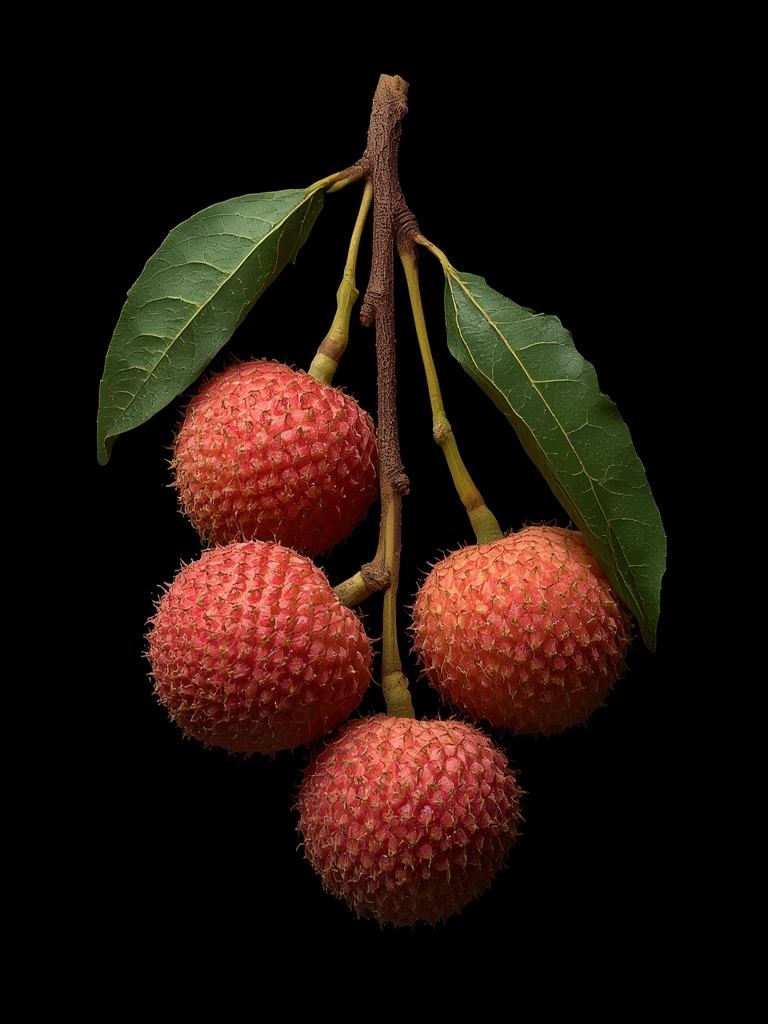

Have you ever tasted the sweet, juicy goodness of fresh lychees and wondered if you could grow your own supply at home? Lychee trees (Litchi chinensis) offer not only delicious fruit but also make stunning ornamental additions to your garden with their glossy evergreen foliage and reddish fruits. Growing your own lychee tree can be incredibly rewarding, providing you with succulent fruits that are often expensive or difficult to find in stores. While lychees require specific conditions to thrive, with proper care and patience, you can successfully cultivate these exotic trees right in your backyard.
Table of Contents
Materials & Supplies
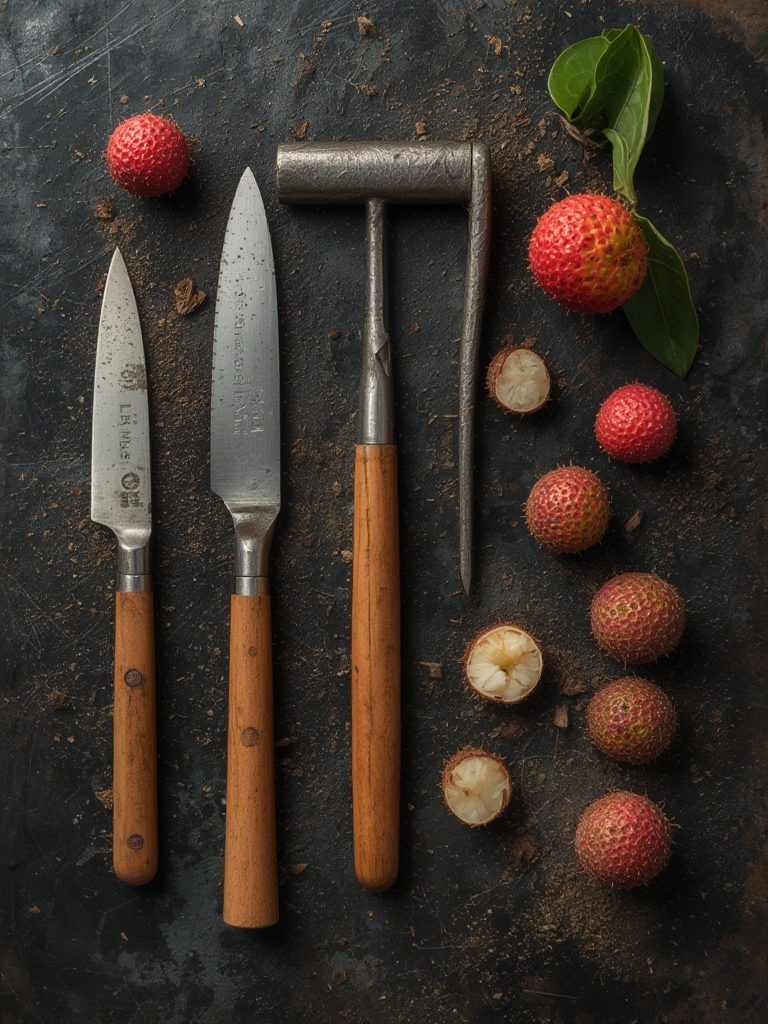
To successfully grow a lychee tree, you’ll need:
- Lychee seeds or young saplings: Fresh seeds from ripe fruits work best, though grafted saplings provide faster results
- Well-draining potting mix: Combine garden soil, sand, and organic compost in a 2:1:1 ratio
- Planting containers: 5-gallon pots for seedlings, eventually moving to 15-20 gallon containers or ground planting
- Slow-release fertilizer: Specifically formulated for fruit trees or acid-loving plants
- Watering can or irrigation system: For consistent moisture delivery
- pH testing kit: Lychees prefer slightly acidic soil (pH 5.0-6.5)
- Pruning shears: For maintenance and shaping
- Organic mulch: Pine bark or similar to retain moisture
- Wind protection: Stakes or windbreaks for young trees
Timing / Growing Schedule
Lychee trees require patience as they can take 3-5 years before bearing fruit when grown from seed (1-2 years for grafted trees). The best planting time is spring after all danger of frost has passed. Seeds should germinate within 1-3 weeks under optimal conditions. Flowering typically occurs in late winter to early spring, with fruits ripening 100-120 days after flowering. Compared to other tropical fruit trees like mangoes (which can take 5-8 years to fruit), lychees have a moderate maturation period.
Step-by-Step Instructions
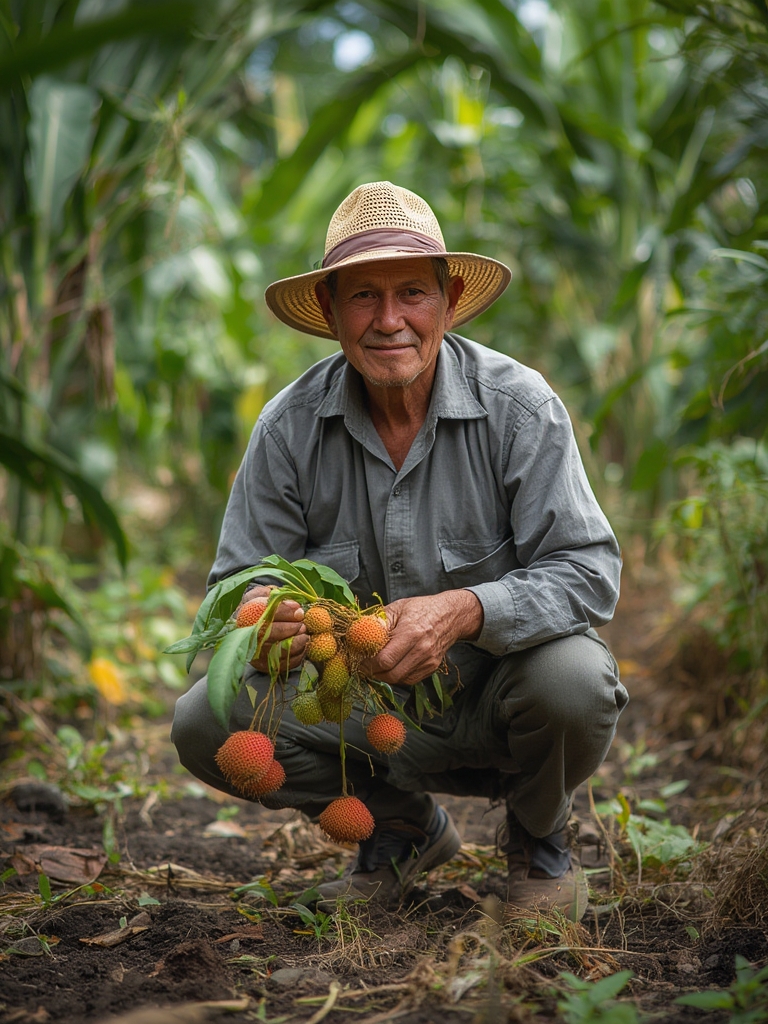
Seed Preparation: Remove seeds from fresh lychee fruits and rinse thoroughly. Plant immediately while fresh for best germination rates. Pro tip: Soak seeds in warm water for 24 hours to enhance germination.
Planting: Place seeds horizontally in well-draining soil mix, covering with 1/2 inch of soil. Keep soil consistently moist but not soggy.
Seedling Care: Once sprouted, place in a location receiving 4-6 hours of filtered sunlight. Young lychee trees are sensitive to direct afternoon sun.
Transplanting: When seedlings reach 8-12 inches tall, transplant to larger containers or a permanent ground location with 25-30 feet of spacing.
Watering Regimen: Water deeply but infrequently to encourage deep rooting. During hot periods, water twice weekly; reduce in cooler months.
Fertilization: Apply slow-release fertilizer formulated for acid-loving plants every 2-3 months during the growing season. Avoid fertilizing during winter dormancy.
Nutritional Benefits
Lychees are nutrient powerhouses, containing significant amounts of vitamin C (149% of daily value per cup), potassium, copper, and B vitamins. They’re rich in antioxidants and contain polyphenols that may help improve heart health. Growing them at home ensures you can harvest at peak ripeness when nutritional content is highest and avoid pesticides used in commercial production.
Tips, Alternative Methods, or Gardening Advice
For container growing, choose dwarf varieties or maintain standard varieties through regular pruning. In cooler climates, grow lychees in large pots that can be moved indoors during winter when temperatures drop below 30°F. Consider growing lychees in a greenhouse in northern regions. For small spaces, try espalier techniques against a sunny wall. In drier climates, install drip irrigation systems to maintain consistent moisture levels.
Common Mistakes to Avoid
- Overwatering: Causes root rot, yellowing leaves, and eventual death. Solution: Allow top inch of soil to dry between waterings.
- Improper pH: Alkaline soil leads to iron deficiency and yellowing leaves. Solution: Regularly test soil and amend with sulfur if needed.
- Cold damage: Exposure to frost kills young trees. Solution: Cover with frost cloth or move potted trees indoors during cold snaps.
- Inadequate drainage: Leads to root problems. Solution: Ensure 30% of potting mix consists of perlite or coarse sand.
Storage / Maintenance Tips
Prune lychee trees in late winter to maintain shape and remove crossing branches. Apply 3-4 inches of mulch around the base, keeping it away from the trunk to prevent rot. Protect from strong winds, especially when flowering or fruiting. Harvest lychees when fully ripe (reddish-pink outer skin) by cutting clusters rather than pulling individual fruits. Fresh lychees can be refrigerated for up to two weeks or frozen (peeled and pitted) for months.
Conclusion
Growing lychee trees requires patience and specific conditions, but the reward of harvesting your own exotic fruits makes the effort worthwhile. By following the guidelines in this guide, you’ll be well on your way to cultivating a healthy, productive lychee tree. Remember that each growing environment presents unique challenges, so be prepared to adapt these recommendations to your specific climate and conditions. Have you tried growing lychee trees? Share your experience in the comments below!
FAQs
How long do lychee trees take to bear fruit?
Seedling trees typically take 3-5 years to produce fruit, while grafted trees can bear fruit in 1-2 years under ideal conditions.
Can lychee trees grow in cold climates?
Lychees are tropical/subtropical trees that cannot tolerate frost or temperatures below 30°F. In cold regions, grow them in containers and move indoors during winter.
How tall do lychee trees grow?
In ideal conditions, lychee trees can reach 30-40 feet tall, but container-grown trees can be maintained at 6-10 feet through regular pruning.
Why are my lychee leaves turning yellow?
Yellowing leaves often indicate overwatering, poor drainage, or iron deficiency due to improper soil pH. Test soil conditions and adjust watering practices accordingly.