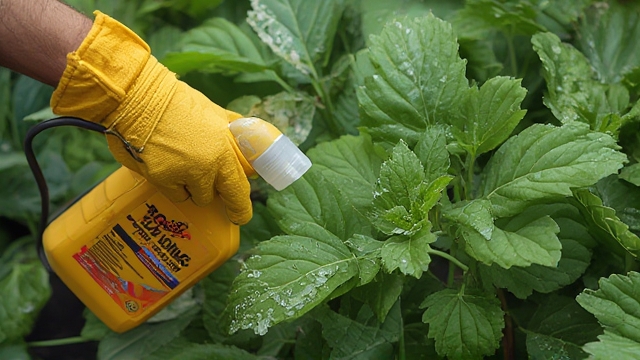

Have you ever watched your beautiful garden plants suddenly develop mysterious spots, wilt, or die despite your best care? Fungal diseases are one of the most frustrating challenges every gardener faces, but they don’t have to ruin your hard work. Learning Using Fungicide for Plants properly can mean the difference between a thriving garden and a disappointing season. Whether you’re growing vegetables, flowers, or ornamental plants, protecting them from fungal attacks is essential for a healthy, vibrant garden you can be proud of.
Table of Contents
Materials & Supplies
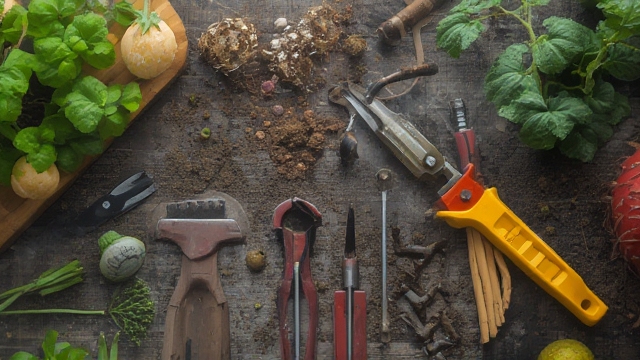
Before applying any fungicide, gather these essential materials to ensure effective treatment:
- Fungicide product (organic or synthetic based on your preference)
- Spray bottle or garden sprayer
- Measuring cup or spoon for accurate dilution
- Clean water
- Protective gloves
- Garden mask for safety
- Pruning shears (for removing severely infected parts)
- Disposable cloth or paper towels
- Neem oil (optional organic alternative)
- Baking soda and water (DIY fungicide option)
Timing / Growing Schedule
Timing plays a crucial role in fungicide effectiveness. Apply fungicides during early morning or late afternoon when temperatures are cooler and sunlight is less intense—this prevents leaf burn and allows better absorption. For preventive treatments, spray every 7-14 days during humid weather or when plants show signs of stress. If actively fighting an infection, treat every 5-7 days until symptoms disappear, then maintain a preventive schedule. Most fungicides take 24-48 hours to show results, so patience is key.
Step-by-Step Instructions
Step 1: Identify the Problem
Examine your plants carefully. Look for common fungal signs like white powdery spots, brown lesions, yellowing leaves, or fuzzy growth. Accurate identification ensures you’re using the right treatment approach.
Step 2: Prepare Your Fungicide Solution
Mix your chosen fungicide according to package directions. Always start with less concentrated solution if you’re uncertain—you can increase strength later if needed. For homemade remedies, mix 1 tablespoon baking soda with 1 gallon water for mild cases.
Step 3: Test a Small Area First
Apply your solution to a small leaf section and wait 24 hours. This patch test prevents widespread damage if your plants react poorly to the treatment.
Step 4: Apply Thoroughly
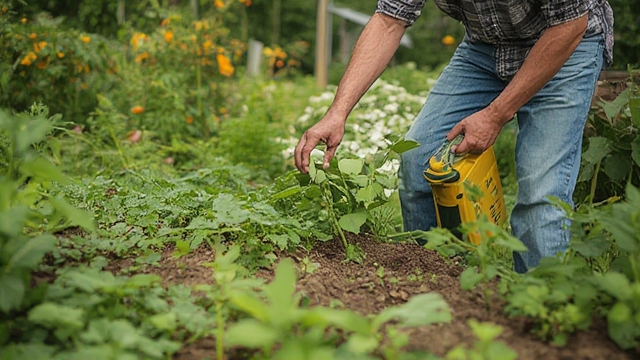
Spray both upper and lower leaf surfaces, stems, and surrounding soil. Coverage matters more than quantity—miss spots mean surviving fungal spores.
Step 5: Repeat and Monitor
Schedule follow-up applications as directed. Remove heavily infected leaves with clean pruning shears to prevent spread.
Nutritional Benefits / Advantages
While fungicides protect plants, they indirectly benefit you too. Healthy plants produce higher yields of nutritious fruits and vegetables. Using fungicides prevents crop loss, ensuring you get the full vitamin and mineral content from your garden. Additionally, treating fungal issues early reduces the need for harsh chemicals later, promoting safer, cleaner produce for your family.
Tips, Alternative Methods, or Gardening Advice
Consider these variations for different growing situations:
- Container gardeners: Apply smaller, more frequent doses since container plants are more susceptible to fungal issues due to limited root space
- Organic gardeners: Try neem oil, copper fungicides, or garlic-based sprays—effective and environmentally friendly
- Indoor growers: Improve air circulation with fans and avoid overhead watering to prevent fungal growth
- Climate considerations: Humid climates require more frequent applications, while dry regions may need minimal treatment
Common Mistakes to Avoid
Many gardeners undermine their efforts by making these frequent errors:
- Over-concentrating products: More isn’t better—follow directions exactly to avoid plant burn
- Inconsistent application: Skipping treatments allows fungal regrowth; maintain schedules religiously
- Ignoring prevention: Preventing fungal issues is far easier than curing established infections
- Wrong timing: Applying during hot sun burns leaves and wastes product
Storage / Maintenance Tips
Store fungicides in cool, dry places away from children and pets. Keep original containers clearly labeled. For ongoing plant health, water at soil level rather than overhead, space plants properly for air circulation, and remove plant debris promptly. Clean your sprayer between applications to prevent cross-contamination. During dormant seasons, sanitize garden tools and consider soil treatments to reduce overwintering fungal spores.
Conclusion
Protecting your plants from fungal diseases doesn’t require advanced gardening skills—just consistent attention and proper technique. By following these guidelines on Using Fungicide for Plants, you can safeguard your garden investment and enjoy bountiful, healthy harvests throughout the growing season. Ready to give it a try? Start with one treated plant this week and watch the difference proper protection makes!
FAQs
How often should I apply fungicide to my plants?
For prevention, every 7-14 days during growing season. For active infections, every 5-7 days until resolved, then return to preventive schedule.
Can I make fungicide at home?
Yes, simple recipes like baking soda solution (1 tbsp per gallon water) or vinegar mixtures work for mild fungal issues.
Is fungicide safe for edible plants?
Yes, when used as directed. Many organic options are specifically labeled safe for vegetables and fruits.
What natural alternatives exist?
Neem oil, copper fungicides, garlic extract, and milk sprays offer organic fungal protection.
Why isn’t my fungicide working?
Common reasons include incorrect dosage, poor coverage, applying during hot sun, or misidentifying the problem as fungal when it’s bacterial or environmental.