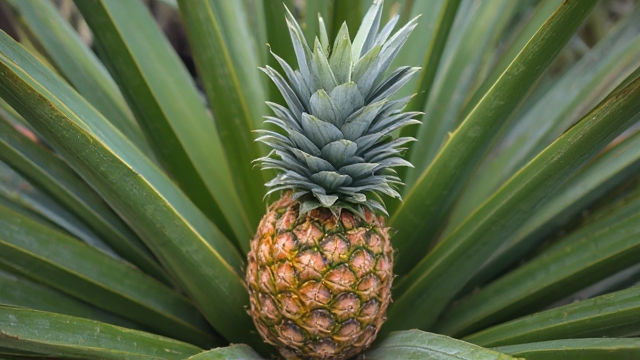

Have you ever wondered what happens when you plant the leafy crown of a pineapple? This straightforward method transforms kitchen scraps into a thriving tropical houseplant that can eventually produce fruit. How To Grow A Pineapple Top is easier than you might think, and the satisfaction of watching your own pineapple take root and grow is incredibly rewarding. Whether you’re a seasoned gardener or a complete beginner, growing a pineapple top at home offers an exciting project that requires minimal investment but delivers maximum satisfaction.
Table of Contents
Materials & Supplies
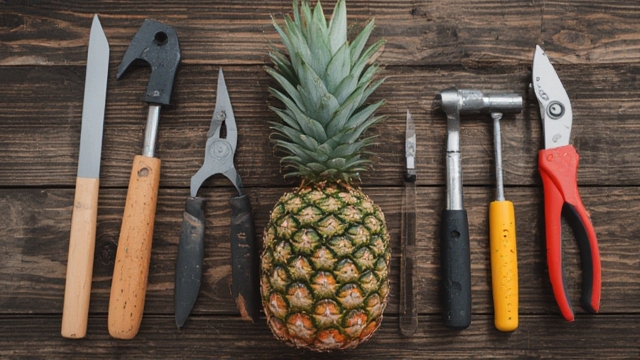
Before beginning your pineapple growing journey, gather these essential items:
- Fresh pineapple – Choose one with healthy, vibrant green leaves and no signs of mold or damage
- Sharp knife – For cleanly cutting the crown from the fruit
- Glass jar or container – For water rooting
- Well-draining potting soil – A mix specifically designed for succulents or cacti works excellently
- Pot or container – At least 6-8 inches in diameter with drainage holes
- Organic fertilizer – Balanced liquid fertilizer for feeding during growing season
- Spray bottle – For maintaining humidity
- Optional items: Rooting hormone powder, activated charcoal, terracotta pots
Timing / Growing Schedule
The ideal time to start your pineapple top is during late spring or summer when temperatures consistently stay above 70°F (21°C). Here’s a general timeline:
- Preparation phase (Days 1-7): Clean and cure the cut crown
- Rooting phase (2-4 weeks): Submerge in water until roots develop
- Establishment phase (2-3 months): Transfer to soil and allow root system to strengthen
- Growth phase (1-2 years): Wait for the plant to mature and potentially produce fruit
- Harvest time (18-24 months): If conditions are optimal, expect your first pineapple
Patience is crucial—tropical plants grow slowly, but the results are worth the wait.
Step-by-Step Instructions
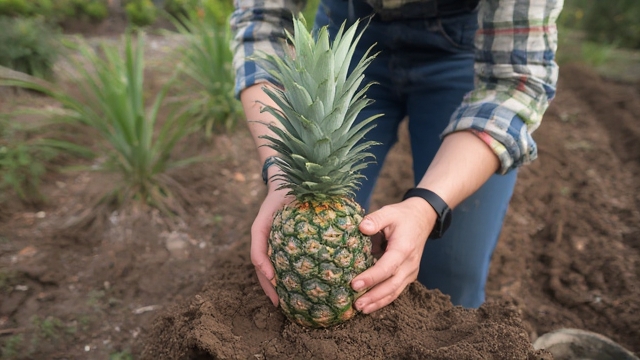
Step 1: Select and cut the crown
Choose a healthy pineapple with bright green outer leaves. Slice the top cleanly, leaving about 1-2 inches of flesh attached to the base. Remove the bottom few leaves to expose the root bumps.
Step 2: Cure the cutting
Place the cut crown in a dry, shaded area for 2-3 days. This allows the cut end to callus over, preventing rot when submerged in water.
Step 3: Root in water
Fill a glass jar with fresh water. Submerge the base, ensuring leaves remain above water. Place in bright, indirect sunlight and change water every 2-3 days. White roots should appear within 2-4 weeks.
Step 4: Plant in soil
Once roots reach 2-3 inches, transfer to a pot filled with well-draining soil. Plant deep enough to cover the roots but not bury the leaves. Water lightly and place in a sunny location.
Step 5: Maintain and grow
Water when the top inch of soil feels dry. Feed monthly during spring and summer with diluted organic fertilizer. Provide at least 6 hours of sunlight daily.
Nutritional Benefits / Advantages
Growing pineapples at home provides remarkable benefits. The fruit is rich in vitamin C, manganese, and bromelain—an enzyme that aids digestion and reduces inflammation. Having a live pineapple plant also improves indoor air quality by releasing oxygen and humidity. The psychological benefits of nurturing a living plant reduce stress and increase overall well-being.
Tips, Alternative Methods, or Gardening Advice
For smaller spaces, grow your pineapple in a container—it thrives on patios, balconies, or sunny windowsills. Indoor gardeners should rotate the plant weekly for even growth. In cooler climates, bring containers indoors during winter months. Organic enthusiasts can substitute chemical fertilizers with compost tea or slow-release organic granules. Consider using terracotta pots, which wick away excess moisture and prevent root rot.
Common Mistakes to Avoid
Overwatering – The most common killer of pineapple plants. Always let soil dry between waterings. Insufficient light – Without 6+ hours of daily sunlight, growth becomes leggy and weak. Planting too deep – Burying the crown causes rot; only roots should be underground. Skipping the curing process – Planting immediately invites bacterial infection. Ignoring temperature – Pineapples thrive between 65-85°F; cold drafts stunt growth.
Storage / Maintenance Tips
Once your plant produces fruit, harvest by cutting when the pineapple turns golden-yellow and develops a sweet aroma. Store at room temperature for 2-3 days or refrigerate for up to one week. For ongoing care, prune dead leaves, repot every 2 years, and reduce watering during winter dormancy. Apply fertilizer sparingly in fall and winter months.
Conclusion
Growing a pineapple top is a rewarding journey that transforms kitchen waste into a beautiful, potentially fruit-bearing plant. With patience, proper technique, and consistent care, anyone can master How To Grow A Pineapple Top. Start today—you might be enjoying your very own homegrown pineapple within two years. Share your progress with us, and don’t forget to explore our other guides on tropical container gardening!
FAQs
How long does it take for a pineapple top to root?
Typically 2-4 weeks when submerged in water with proper care and bright indirect light.
Will my pineapple plant actually produce fruit?
Yes, with adequate sunlight (6+ hours daily), warmth, and patience—most plants fruit within 18-24 months.
Can I grow a pineapple top directly in soil without water rooting?
Absolutely. After curing, plant directly in well-draining soil and keep consistently moist until established.
Why are my pineapple plant’s leaves turning brown?
Usually caused by sunburn, underwatering, or low humidity. Adjust light exposure and increase watering frequency.
Do I need to fertilize my pineapple plant?
Yes, monthly feeding during growing seasons promotes healthy growth and fruiting. Use balanced organic fertilizers.