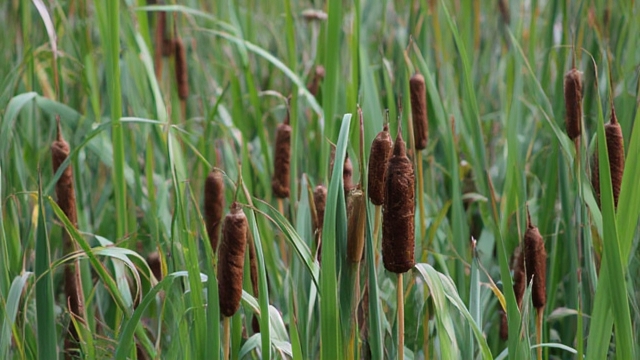

How To Control Cattails effectively is a common challenge for homeowners with water features, ponds, or wetland areas on their property. These resilient plants can quickly take over if left unmanaged, spreading vigorously through rhizomes and seeds. Whether you want to contain their growth or cultivate them intentionally, understanding the right control techniques is essential for maintaining a balanced outdoor space.
Cattails offer remarkable ecological benefits—they filter water, provide wildlife habitat, and can even be harvested for edible shoots and pollen. Rather than viewing them as purely invasive, learning to control their spread allows you to enjoy their advantages while preventing overwhelming growth.
Table of Contents
Materials & Supplies
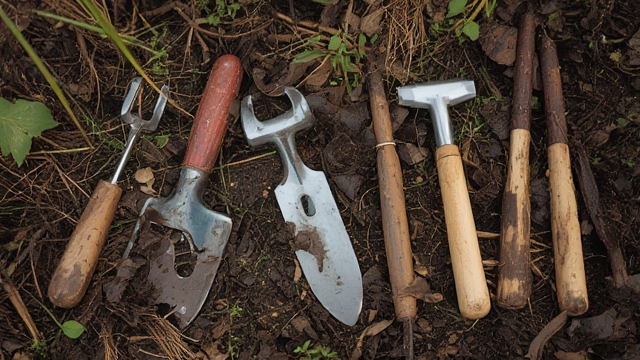
To successfully control cattails in your water garden or pond area, gather these essential materials:
- Root barriers: Heavy-duty pond liner or geotextile fabric to prevent rhizome spread
- Sharp pruning shears or loppers for cutting back growth
- Dredging rake or garden fork for root removal
- Aquatic herbicide (if chemical control is necessary—choose environmentally safe options)
- Gravel or heavy stones for weigh-down barriers
- Rubber boots or waders for wet area work
- Garden hose or pond pump for water management
- Disposal bags for removed plant material
Optional items include a pond skimmer for surface seed removal, a soil test kit if replanting other aquatic plants, and mesh planting bags for container growing.
Timing / Growing Schedule
The best time to control cattails is durante early spring, when new growth begins but before seed heads develop—typically March through May in most climates. This window allows you to interrupt the plant’s energy cycle before it diverts resources to reproduction.
Initial control efforts require 2-3 hours for a small pond area, with follow-up maintenance taking 30-45 minutes monthly during growing season. Full removal or containment takes one full growing season to achieve, with ongoing monitoring necessary for 2-3 years to address any remaining root fragments that may sprout.
Step-by-Step Instructions
Step 1: Assess the Infestation
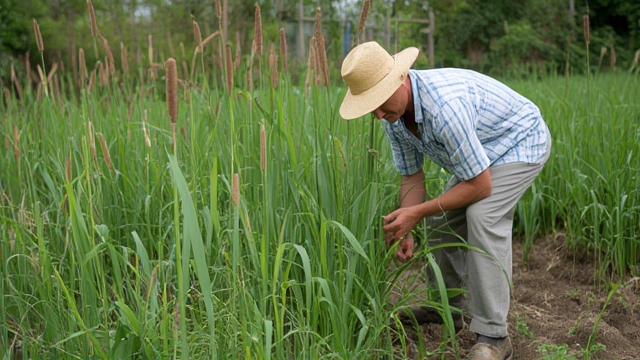
Walk the perimeter of your water feature, noting where cattails have spread beyond desired areas. Identify mature plants with visible seed heads, as these require priority removal.
Step 2: Cut Back Above-Water Growth
Using sharp pruning shears, cut all stems to 4-6 inches above the water line. This weakens the plant’s ability to photosynthesize and store energy in roots.
Step 3: Remove Root Systems
For persistent plants, dig or dredge out the root mass thoroughly. Cattails spread through rhizomes up to 2 feet deep, so excavate at least 18 inches. Work carefully to fragment the root system, as each piece can regenerate.
Step 4: Install Root Barriers
For areas you want permanently protected, install pond liner or geotextile fabric extending 24 inches deep and 12 inches above water level. Overlap edges by 6 inches and weigh down with gravel.
Step 5: Monitor and Maintain
Check weekly during growing season. Remove any new shoots immediately, cutting below the water line. Consistent attention prevents re-establishment.
Nutritional Benefits / Advantages
Cattails provide surprising culinary and health benefits. Young shoots taste like cucumber and can be eaten raw in salads or cooked as a vegetable. The pollen, rich in protein and antioxidants, serves as a nutritious flour substitute. Additionally, cattails naturally filter runoff, improving water quality in your pond ecosystem.
Tips, Alternative Methods, or Gardening Advice
Container gardening offers excellent control—plant cattails in submerged pots with drainage holes to limit root expansion. For small spaces, consider indoor aquatic gardens using decorative containers. Organic methods work well: consistent cutting combined with root removal typically controls moderate populations without chemicals. In colder climates, harvest seed heads before winter to prevent spring spreading.
Common Mistakes to Avoid
Many homeowners make the error of only cutting above-water growth—this leaves roots intact and often stimulates denser regrowth. Another mistake is failing to remove seed heads before they disperse—each cattail head contains thousands of seeds. Finally, neglected regular maintenance allows quick re-infestation; consistency matters more than initial intensity.
Storage / Maintenance Tips
Harvested cattail shoots store 1-2 weeks refrigerated in plastic bags. Keep pond water levels stable during control efforts, as drought conditions concentrate nutrients and encourage aggressive spreading. In fall, cut dead stalks to prevent them from breaking apart and spreading seeds across your landscape.
Conclusion
Mastering How To Control Cattails transforms potential frustration into opportunity. By implementing these systematic techniques, you can maintain a healthy water feature while enjoying the Many benefits this versatile plant offers. Ready to take control? Share your cattail management experiences in the comments, or explore our guide on companion planting for aquatic gardens.
FAQs
How long does it take to completely remove cattails?
Complete removal typically requires one full growing season of consistent effort, though visible control improves within weeks.
Can cattails be controlled without chemicals?
Yes—repeated cutting combined with root removal effectively controls cattails without herbicides.
Are cattails harmful to ponds?
Not inherently, but their aggressive spread can crowd out other aquatic plants and disrupt ecosystem balance.
When should I apply aquatic herbicide?
Only as a last resort, during active growth in late spring-early summer, following all manufacturer guidelines strictly.
Can I transplant cattails to another location?
Absolutely—divide root clumps in early spring and replant in prepared containers or desired areas with adequate water access.