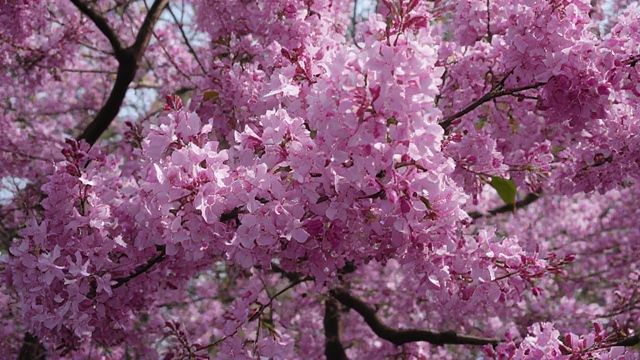

Have you ever dreamed of filling your garden with the sweet, nostalgic fragrance of lilacs in full bloom? The Lilac Tree has been a beloved garden staple for centuries, captivating homeowners with its stunning clusters of purple, white, and pink flowers. Beyond their aesthetic appeal, these hardy trees offer incredible value—they attract pollinators, purify the air, and provide cut flowers that can transform any room into a fragrant paradise.
Whether you’re a seasoned gardener or a beginner eager to add curb appeal to your home, growing a Lilac Tree is a rewarding investment. In this guide, I’ll walk you through everything you need to know to cultivate a thriving lilac tree that becomes the crown jewel of your landscape.
Table of Contents

Materials & Supplies
Before you begin, gather the following essentials to ensure your lilac tree gets the best start:
- Lilac saplings or cuttings – Purchase from a reputable nursery or propagate from an existing plant
- Well-draining soil – Lilacs thrive in neutral to alkaline soil (pH 6.5–7.0)
- Compost or aged manure – For enriching the planting hole
- Garden shovel or spade – For digging planting holes
- Mulch – Organic options like wood chips or bark help retain moisture
- Balanced fertilizer – A 10-10-10 fertilizer applied in early spring
- Pruning shears – For maintenance and shaping
- Watering can or garden hose – For consistent irrigation
Optional items: Stake supports for young trees, rain gauge, pH soil testing kit.
Timing / Growing Schedule
Lilac trees are best planted in early spring after the last frost or in fall before the ground freezes. The preparation time is minimal—plan for about 1–2 hours to prepare the planting site.
Patience is key with lilacs. Most newly planted saplings take 2–3 years to establish a robust root system and produce their first significant bloom. Once established, a healthy lilac tree can live 75–100 years, rewarding generations of gardeners with annual displays.
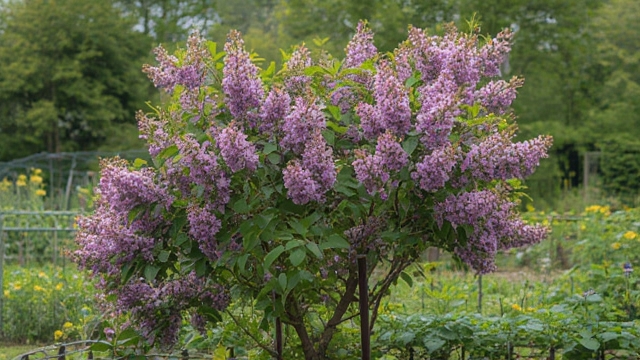
Step-by-Step Instructions
1. Choose the Right Location
Select a sunny spot that receives at least 6–8 hours of direct sunlight daily. Lilacs are sun-loving plants and will produce fewer blooms in shaded areas.
2. Prepare the Soil
Dig a hole twice the width of the root ball and just as deep. Mix compost into the excavated soil to improve drainage and nutrient content.
3. Plant the Sapling
Place the root ball in the hole, ensuring the graft union (if present) sits just above soil level. Backfill with soil, gently firming to eliminate air pockets.
4. Water Deeply
Water thoroughly after planting, providing about 1 inch of water per week. Consistent moisture during the first growing season is crucial for establishment.
5. Apply Mulch
Spread a 2–3 inch layer of organic mulch around the base, keeping it away from the trunk to prevent rot.
6. Prune Annually
After flowering, prune dead or damaged branches and shape the tree. Avoid heavy pruning in late summer, as this can remove next year’s flower buds.
Nutritional Benefits / Advantages
Growing a Lilac Tree at home offers more than just beauty:
- Air purification – Lilacs help filter pollutants and release oxygen
- Pollinator support – Their fragrant blooms attract bees, butterflies, and hummingbirds
- Mental well-being – Studies show gardening reduces stress and improves mood
- Eco-friendly landscaping – Mature lilacs require minimal water once established
Tips, Alternative Methods, or Gardening Advice
- Container gardening: Dwarf lilac varieties like ‘Monroe’ or ‘Miss Kim’ thrive in large containers on patios
- Organic methods: Use compost tea as a natural fertilizer and employ companion planting with roses
- Small spaces: Train lilacs as informal hedges or espalier against walls
- Climate considerations: Lilacs require winter chill (at least 400 hours below 45°F) to bloom prolifically
Common Mistakes to Avoid
Overwatering: Lilacs prefer dry conditions. Root rot occurs in consistently soggy soil.
Improper pruning: Cutting too late in the season removes flower buds. Always prune immediately after blooming.
Neglecting sunlight: Insufficient light leads to leggy growth and poor flowering.
Ignoring soil pH: Highly acidic soil (below 6.0) prevents nutrient uptake. Amend with lime if needed.
Storage / Maintenance Tips
For cut lilac arrangements, trim stems diagonally and place in fresh water immediately. Change water every 2–3 days to extend vase life up to two weeks.
For ongoing care, water mature trees only during drought periods, fertilize sparingly, and annually remove dead wood. Apply fresh mulch each spring to maintain soil health.
Conclusion
Growing a Lilac Tree is a timeless gardening endeavor that rewards patience with breathtaking blooms and intoxicating fragrance. By choosing the right location, providing proper care, and avoiding common pitfalls, you can enjoy decades of springtime beauty. Start your lilac journey today—and don’t forget to share your blooming success with fellow garden enthusiasts!
Ready to transform your garden? Explore our guides on growing roses, hydrangeas, and other beloved flowering trees to create the landscape of your dreams.
FAQs
How long does it take for a lilac tree to bloom?
Most lilacs bloom within 2–3 years of planting, though full splendor is typically achieved in 5–7 years.
Do lilac trees need full sun?
Yes, lilacs require 6–8 hours of direct sunlight daily for optimal blooming.
Can I grow a lilac tree in a pot?
Absolutely! Dwarf varieties thrive in containers with proper drainage and adequate sunlight.
When should I prune my lilac tree?
Prune immediately after flowering to avoid cutting off next year’s buds.
Why isn’t my lilac tree blooming?
Common causes include insufficient sunlight, improper pruning, or lacking the required winter chill period.