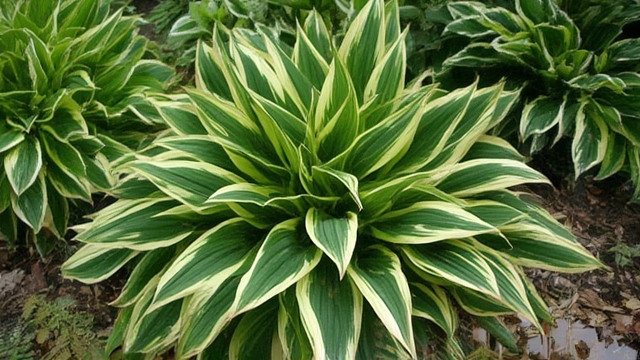

Have you ever wondered why hostas consistently rank among the most popular perennial plants for shade gardens worldwide? These stunning foliage plants offer incredible diversity in leaf shapes, colors, and textures, making them a gardener’s dream for creating visual interest in areas where many plants struggle. Whether you’re a seasoned gardener or just starting your green journey, understanding the various types of hostas can transform your shaded spaces into thriving, beautiful retreats. In this comprehensive guide, we’ll explore everything you need to know about types of hostas—from selecting the right varieties to caring for them throughout the seasons.
Table of Contents
Materials & Supplies
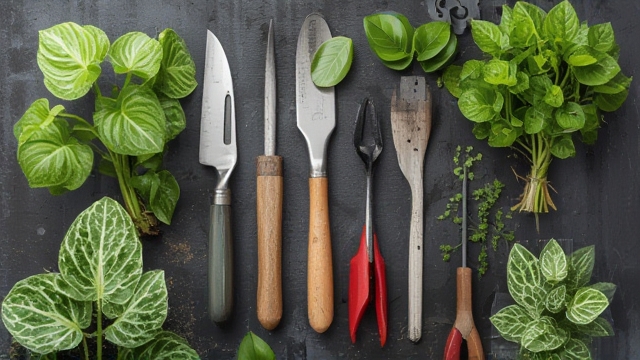
Before diving into hosta cultivation, gather these essential materials to ensure successful growth:
- Hosta plants or bare-root divisions (choose from varieties like Blue Angel, Sum and Substance, or Patriot)
- Rich, well-draining potting soil or compost
- Containers with drainage holes (if growing in pots)
- Organic mulch (wood chips, shredded bark, or pine needles)
- Balanced, slow-release fertilizer (10-10-10 or similar)
- Garden trowel and hand fork
- Watering can or drip irrigation system
- Gardening gloves
- Optional: snail and slug bait, shade cloth for hot climates
For those working with limited space, consider vertical planters or hanging baskets as alternatives to traditional ground planting.
Timing / Growing Schedule
Understanding the timing cycle helps you plan effectively:
- Preparation Time: 1-2 weeks for soil amendment and site preparation
- Planting Window: Early spring or early fall (typically March-April or September-October)
- Establishment Period: 6-8 weeks for root establishment
- Mature Growth: Hostas reach full size in 2-4 years depending on variety
- Dividing Time: Every 3-5 years in early spring or fall
The ideal planting period occurs when soil temperatures reach 50-60°F (10-15°C), allowing roots to establish before summer heat or winter frost.
Step-by-Step Instructions
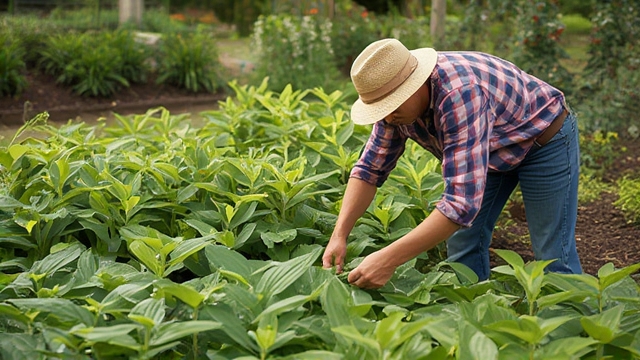
Follow these practical steps for successful hosta cultivation:
Site Selection: Choose a location with partial to full shade. Most hostas prefer protection from afternoon sun, which can scorch their delicate leaves.
Soil Preparation: Mix 2-3 inches of compost into the top 8-12 inches of soil. Hostas thrive in rich, moist, slightly acidic soil (pH 6.0-7.5).
Planting Depth: Dig a hole twice the width of the root ball. Place the crown at soil level—never bury the center bud, as this causes rotting.
Watering Strategy: Keep soil consistently moist but not waterlogged. Deep watering once weekly is preferable to shallow daily sprinkling.
Mulching Application: Apply 2-3 inches of organic mulch around (not touching) the plant base to retain moisture and regulate temperature.
Fertilizing Schedule: Feed in early spring as new growth emerges and again in late summer. Avoid late-season nitrogen that encourages tender growth vulnerable to frost damage.
Nutritional Benefits / Advantages
Growing hostas at home offers numerous benefits beyond aesthetics:
- Air Purification: Hostas help filter air pollutants and increase oxygen levels in your garden environment
- Soil Health: Their extensive root systems improve soil structure and prevent erosion
- Low Maintenance: Once established, hostas require minimal care compared to annual plants
- Long-Term Investment: These perennials can live 20-30 years, providing cumulative value
- Wildlife Support: Flowers attract pollinators like bees and hummingbirds
Tips, Alternative Methods, or Gardening Advice
- Container Gardening: Use large pots (at least 12 inches deep) with drainage holes. Mix perlite into potting soil for improved drainage
- Companion Planting: Pair hostas with ferns, astilbes, or heucheras for layered texture
- Climate Adaptations: In hot southern climates, provide afternoon shade and consistent watering. In cold zones, apply extra mulch for winter protection
- Organic Methods: Use compost tea as a natural fertilizer and employ companion planting to reduce pest issues
- Small Spaces: Consider dwarf varieties like Blue Mouse Ears or Miniature Giants for containers or border edges
Common Mistakes to Avoid
- Overwatering: Leads to root rot. Water only when the top inch of soil feels dry
- Improper Light Exposure: Too much sun causes leaf burn; too little results in poor growth
- Neglecting Slug Control: These pests devastate hostas. Use organic slug bait or copper barriers
- Planting Too Deep: The crown must remain at soil surface level
- Ignoring Division Needs: Overgrown hostas become congested and decline in vigor
Storage / Maintenance Tips
- Division Storage: Keep bare-root divisions wrapped in moist newspaper and refrigerated until planting
- Winter Care: Apply 4-6 inches of mulch after ground freezes in cold climates
- Pruning: Remove spent flower stalks and yellowing leaves promptly
- Pest Monitoring: Check regularly for slugs, voles, and deer damage
- Watering Consistency: Maintain moisture even during dormant winter months
Conclusion
Now that you understand the diverse world of types of hostas, you’re equipped to select, plant, and nurture these magnificent perennials in your own garden. Whether you choose the dramatic blue foliage of Blue Angel or the vibrant gold tones of Sum and Substance, hostas provide unmatched texture and color throughout the growing season. Start with one or two varieties and expand your collection as your confidence grows. We encourage you to share your hosta journey with us—what varieties are you planning to grow?
FAQs
Q: How many types of hostas are there?
A: There are approximately 3,000 registered hosta cultivars, ranging from miniature varieties under 6 inches to giant specimens exceeding 4 feet tall.
Q: Do hostas need full shade?
A: Most hostas prefer partial shade (4-6 hours of morning sun). Some gold varieties tolerate more sun, while blue varieties generally require deeper shade.
Q: Are hostas toxic to pets?
A: Yes, hostas are toxic to dogs and cats if ingested, causing vomiting and diarrhea. Consider this if your pets roam freely in the garden.
Q: When is the best time to divide hostas?
A: Early spring as new shoots emerge or early fall (at least 4 weeks before frost) are optimal division times.
Q: How fast do hostas grow?
A: Hostas typically reach their full size within 3-4 years, with the fastest growth occurring in the first two years after planting.