

Have you ever bitten into a store-bought tangerine and thought, “This could be so much better”? Growing your own tangerine trees not only guarantees the freshest, most flavorful fruit but also brings an attractive evergreen addition to your landscape. Tangerines (Citrus reticulata) are smaller and sweeter than oranges, with loose, easy-to-peel skin that makes them perfect for snacking. With proper care, a single tangerine tree can produce hundreds of fruits each year, providing your family with vitamin-rich citrus straight from your garden to your table.
Table of Contents
Materials & Supplies
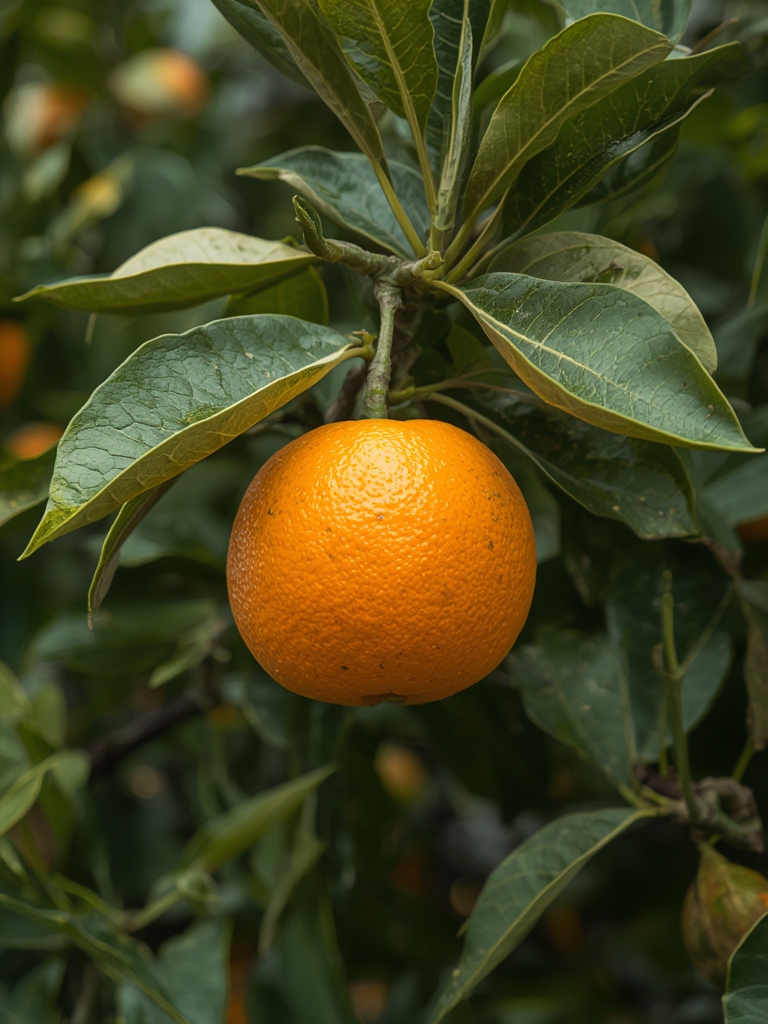
To successfully grow tangerine trees, you’ll need:
- Young tangerine tree: Either a grafted sapling (recommended) or dwarf variety for container growing
- Well-draining potting mix: Specifically formulated for citrus trees with pH between 5.5 and 6.5
- Container: 15-20 gallon size with drainage holes (if not planting in ground)
- Citrus fertilizer: Slow-release, high in nitrogen, phosphorus, and potassium
- Pruning shears: Clean and sharp for maintenance
- Watering can or irrigation system: For consistent watering
- Soil moisture meter: Optional but helpful for monitoring water needs
- Organic mulch: Pine bark or straw to retain moisture and suppress weeds
- Frost cloth: Essential for protecting young trees in cooler regions
Timing / Growing Schedule
Tangerine trees require patience but reward you with years of abundant harvests. Plan for:
- Planting time: Early spring after danger of frost has passed
- Growth period: 3-5 years before full fruit production begins
- Harvest season: Winter months (November through March, depending on variety)
- Fruit development: 7-10 months from flower to ripe fruit
Unlike annual vegetables that produce within weeks, tangerine trees are a long-term investment that can produce fruit for 25+ years once established.
Step-by-Step Instructions
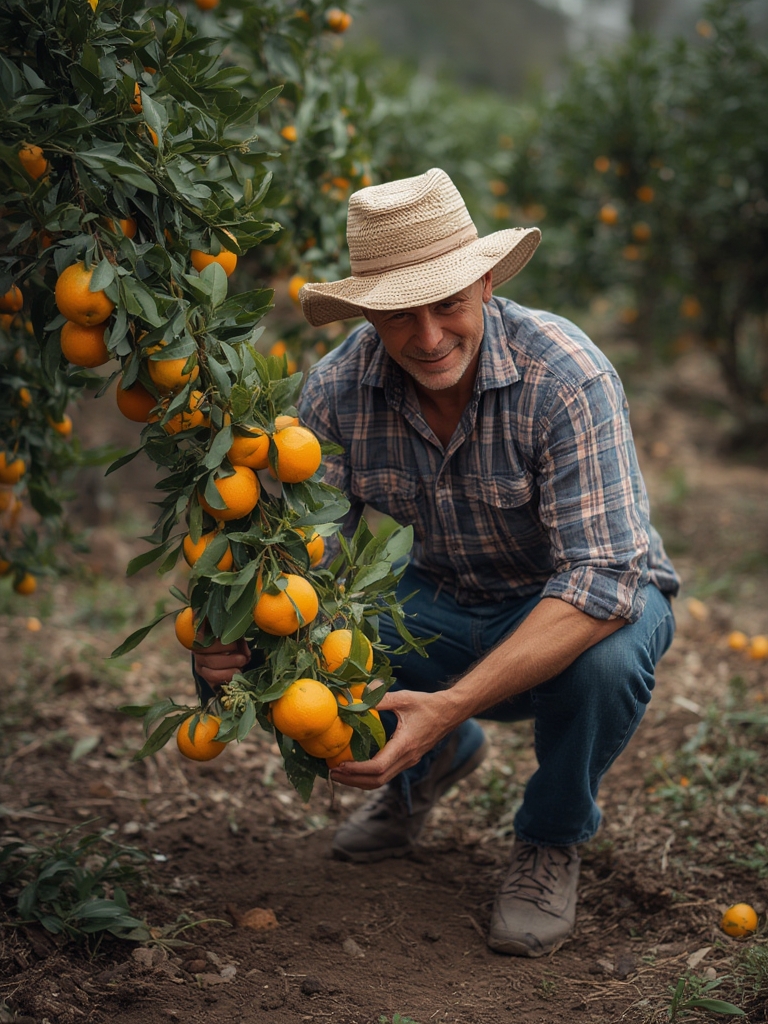
Select the right location: Choose a spot receiving 6-8 hours of direct sunlight daily. Ensure protection from strong winds. For indoor growing, use a south-facing window.
Prepare the soil: If planting in-ground, amend soil with organic matter and ensure excellent drainage. For containers, use citrus-specific potting mix.
Plant properly: Dig a hole twice as wide as the root ball but only as deep. Position the tree so the graft union (swollen area on the trunk) remains 4-6 inches above soil level.
Watering schedule: Provide deep, infrequent watering. Let the top 2 inches of soil dry between waterings. Young trees need water 2-3 times weekly; established trees can go 7-10 days between waterings.
Fertilization routine: Apply citrus fertilizer three times yearly (February, May, and August). Start with half-strength for young trees.
Pruning: Remove suckers growing below the graft union immediately. Prune dead branches and shape the tree after harvest and before spring flowering.
Nutritional Benefits
Homegrown tangerines provide exceptional nutritional value with:
- High vitamin C content (nearly 50% of daily requirements)
- Rich source of dietary fiber
- Abundant in antioxidants and flavonoids
- Lower pesticide exposure compared to commercial fruits
- Higher nutrient density due to harvesting at peak ripeness
Tips and Alternative Methods
- Container growing: Dwarf varieties like ‘Pixie’ or ‘Clementine’ thrive in large pots and can be moved indoors during winter.
- Companion planting: Grow marigolds or nasturtiums nearby to repel pests naturally.
- Indoor cultivation: Use grow lights if window light is insufficient during winter months.
- Humidity boost: Place containers on pebble trays filled with water to increase humidity for indoor trees.
- Climate adaptation: In zones 8 and below, consider planting against south-facing walls that provide extra warmth.
Common Mistakes to Avoid
- Overwatering: More tangerine trees die from too much water than too little. Wait until soil dries slightly before watering again.
- Improper fertilizing: Applying fertilizer during fall or winter can stimulate tender growth vulnerable to frost damage.
- Inconsistent watering: Sudden changes in soil moisture can cause fruit splitting and stress the tree.
- Ignoring pest problems: Check regularly for leaf miners, spider mites, and citrus scale. Address issues promptly with horticultural oil.
- Impatience with fruit production: Removing flowers or tiny fruits in the first 2-3 years helps the tree establish a stronger root system.
Storage / Maintenance Tips
- Harvesting: Tangerines don’t ripen after picking. Wait until fruits are fully colored and slightly soft to the touch.
- Storage: Fresh tangerines keep for 1-2 weeks at room temperature and up to 4 weeks in the refrigerator.
- Seasonal care: Reduce watering in winter. Protect trees from frost with coverings when temperatures drop below 32°F.
- Annual maintenance: Apply fresh mulch in spring, keeping it 6 inches away from the trunk to prevent rot.
- Pest monitoring: Inspect leaves bi-weekly for discoloration or sticky residue indicating insect problems.
Conclusion
Growing tangerine trees connects you to the age-old tradition of home citrus cultivation while providing your family with superior fruit unmatched by store-bought alternatives. The initial investment of time and proper setup pays dividends in years of sweet, juicy harvests. Start with one tree, apply these care principles consistently, and you’ll soon be sharing your bounty with neighbors and friends.
FAQs
How long does it take for a tangerine tree to produce fruit?
Most tangerine trees begin producing noticeable fruit in years 3-5, though some grafted varieties may produce small amounts in year 2.
Can I grow tangerines from seeds?
Yes, but seed-grown trees take 7-10 years to fruit and may not produce the same quality as the parent fruit. Grafted trees are recommended for reliable results.
Do tangerine trees need special winter care?
Young trees need protection when temperatures drop below 32°F. Cover with frost cloth or bring potted trees indoors. Mature trees can typically handle brief periods down to 28°F.
How often should I prune my tangerine tree?
Major pruning should occur once yearly after harvest. Remove crossing branches, water sprouts, and damaged limbs to maintain an open, vase-like structure.
Why are my tangerine tree leaves turning yellow?
Yellowing leaves usually indicate nutrient deficiencies (especially nitrogen or zinc), overwatering, or poor drainage. Check soil moisture first, then consider a soil test to identify specific deficiencies.