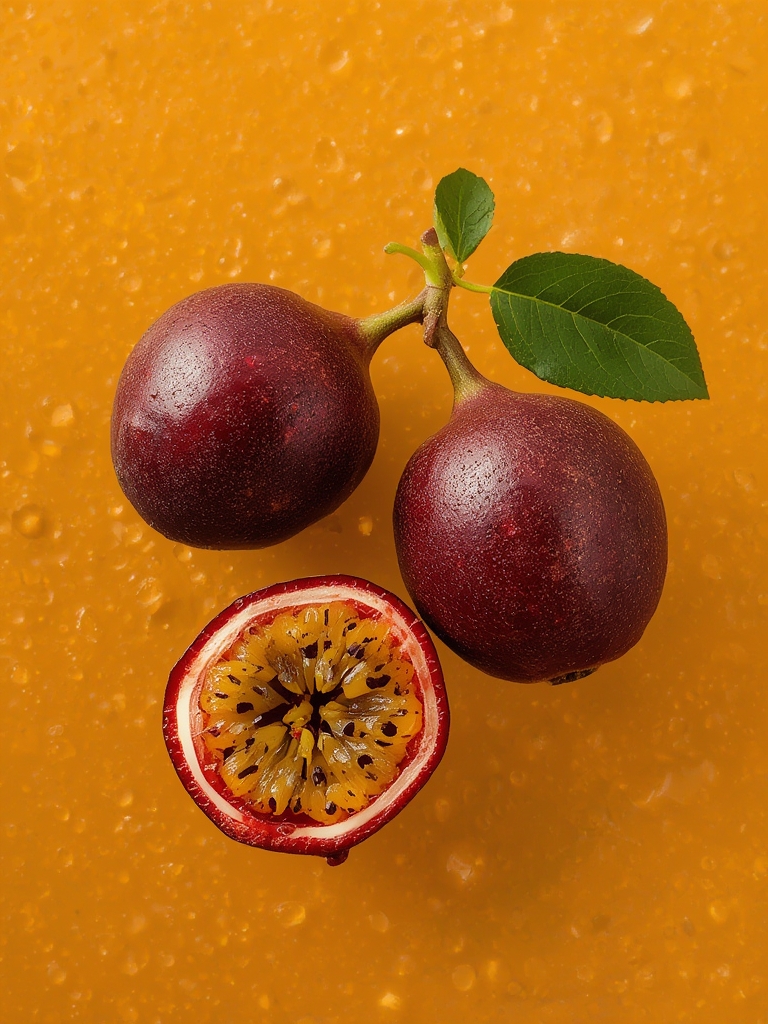

Imagine stepping into your garden and harvesting your own sweet-tart passion fruits, their exotic fragrance filling the air as you pluck them from lush, sprawling vines. Growing passion fruit at home isn’t just rewarding—it’s surprisingly achievable for gardeners at any skill level. These vigorous vines can produce abundant harvests when properly cared for, offering a tropical taste experience right from your backyard. Whether you have a spacious garden or just a sunny balcony, passion fruit can adapt to various growing conditions, making it an excellent choice for home cultivation.
Table of Contents
Materials & Supplies
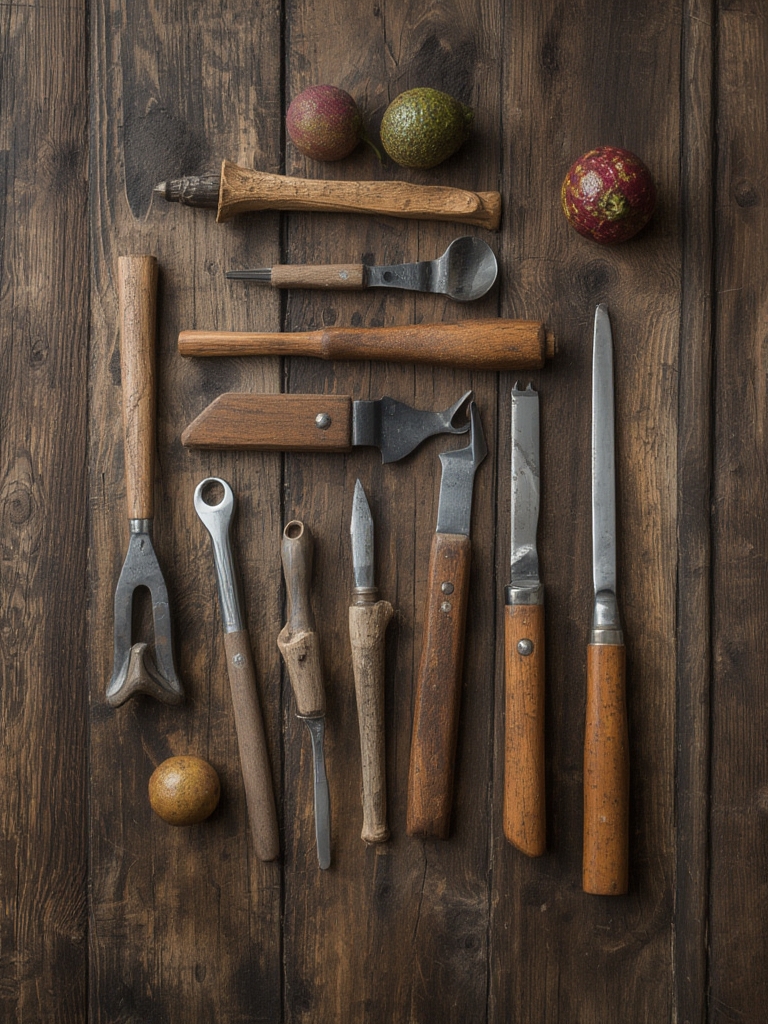
To start your passion fruit growing journey, you’ll need:
- Passion fruit seeds or seedlings: Choose purple (Passiflora edulis) or yellow varieties (Passiflora edulis flavicarpa) depending on your climate
- Trellis or support structure: At least 6-8 feet tall to accommodate the climbing vines
- Well-draining potting mix: Preferably with added perlite and compost
- Large container: 20-gallon minimum if not planting in-ground
- Organic fertilizer: High in phosphorus to encourage flowering and fruiting
- Pruning shears: Sharp and clean for maintaining vine health
- Watering can or irrigation system: For consistent moisture delivery
- Mulch: Straw, wood chips, or compost to retain moisture and suppress weeds
- pH testing kit: Passion fruit prefers slightly acidic soil (pH 6.0-6.5)
Timing / Growing Schedule
Passion fruit vines require patience but reward persistence. From seedling to first harvest typically takes 12-18 months. In warm climates (USDA zones 9-11), plant in spring for year-round growth. In cooler areas, wait until after the last frost. The primary growing season runs through summer, with most fruiting occurring in late summer through fall. Established vines can produce for 5-7 years before productivity declines, yielding up to 15-30 pounds of fruit annually per mature vine.
Step-by-Step Instructions
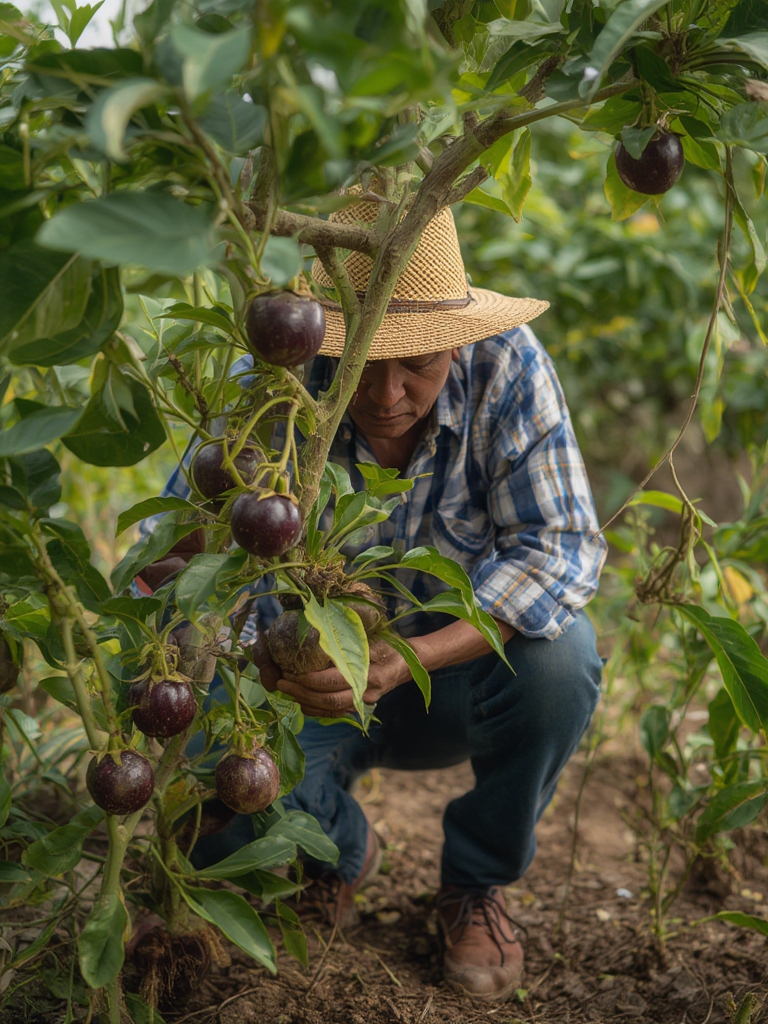
Select an ideal location: Choose a spot with full sun (at least 6 hours daily) and protection from strong winds. Ensure your trellis or support structure is sturdy and installed before planting.
Prepare the soil: Mix compost and well-rotted manure into your garden soil to improve drainage and fertility. For container growing, use high-quality potting mix with added perlite.
Plant properly: Dig a hole twice the size of the root ball. Position your seedling at the same depth as it was in its nursery pot, with the root crown slightly above soil level to prevent rot.
Train the vines: As shoots develop, gently guide them toward your support structure. Secure with soft plant ties rather than wire, which can damage stems.
Fertilize strategically: Apply a balanced fertilizer monthly during the growing season, switching to a phosphorus-rich formula when flowering begins.
Water consistently: Provide deep watering 1-2 times weekly depending on climate, ensuring soil stays moist but never waterlogged. Reduce in cooler months.
Nutritional Benefits
Passion fruit packs impressive nutritional value in its small package. Each fruit contains high levels of vitamin C (boosting immunity), vitamin A (supporting vision), and dietary fiber (aiding digestion). They’re also rich in antioxidants, potassium, and iron. The edible seeds provide omega-6 fatty acids, while the low calorie count makes passion fruit a guilt-free indulgence.
Tips and Alternative Methods
For container growing, select dwarf varieties like ‘Panama Red’ or ‘Frederick’ for manageable size. In colder regions, consider growing passion fruit as an annual or bring containers indoors during winter. For organic cultivation, introduce beneficial insects like ladybugs to control aphids and other pests. Hand-pollination with a small brush can significantly increase fruit set, especially in areas with few natural pollinators.
Common Mistakes to Avoid
- Overwatering: Causes root rot and fungal diseases; ensure proper drainage and let soil surface dry between waterings
- Insufficient support: Vines collapse under their own weight; install strong trellising before vines mature
- Inadequate pollination: Results in poor fruit set; hand-pollinate or plant varieties compatible with local pollinators
- Excessive pruning: Removes potential fruiting wood; limit heavy pruning to dormant season
- Impatience with harvesting: Picking fruit too early; wait until fruits slightly wrinkle and drop naturally for best flavor
Storage / Maintenance Tips
Harvest passion fruit when they drop naturally or develop slight wrinkling on the skin. Store ripe fruits at room temperature for up to a week or refrigerate for 2-3 weeks. For maintenance, prune after fruiting season to remove dead wood and control size. Apply fresh mulch annually and replace fertilizer regimens as vines mature. During dormant seasons, reduce watering but never allow soil to completely dry out.
Conclusion
Growing passion fruit offers the perfect blend of ornamental beauty and edible reward. With proper support, consistent care, and a little patience, these remarkable vines can transform your garden into a tropical paradise while providing nutritious, exotic fruits for years. Start your passion fruit journey today, and you’ll soon be enjoying the sweet satisfaction of homegrown harvests that far surpass anything found in stores.
FAQs
How long does it take for passion fruit vines to produce fruit?
Expect your first harvest 12-18 months after planting seedlings, with peak production occurring in years 2-3.
Do I need two passion fruit plants for pollination?
Most varieties are self-fertile, but having multiple plants increases cross-pollination and typically results in better yields.
Can passion fruit grow in cold climates?
Purple varieties tolerate mild frost (down to 30°F), while yellow varieties need warmer conditions. In zones below 9, grow in containers you can move indoors during winter.
Why are my passion fruit flowers dropping without forming fruit?
This often indicates pollination issues, nutrient deficiencies, or extreme temperature fluctuations. Try hand-pollinating during the morning hours when flowers first open.