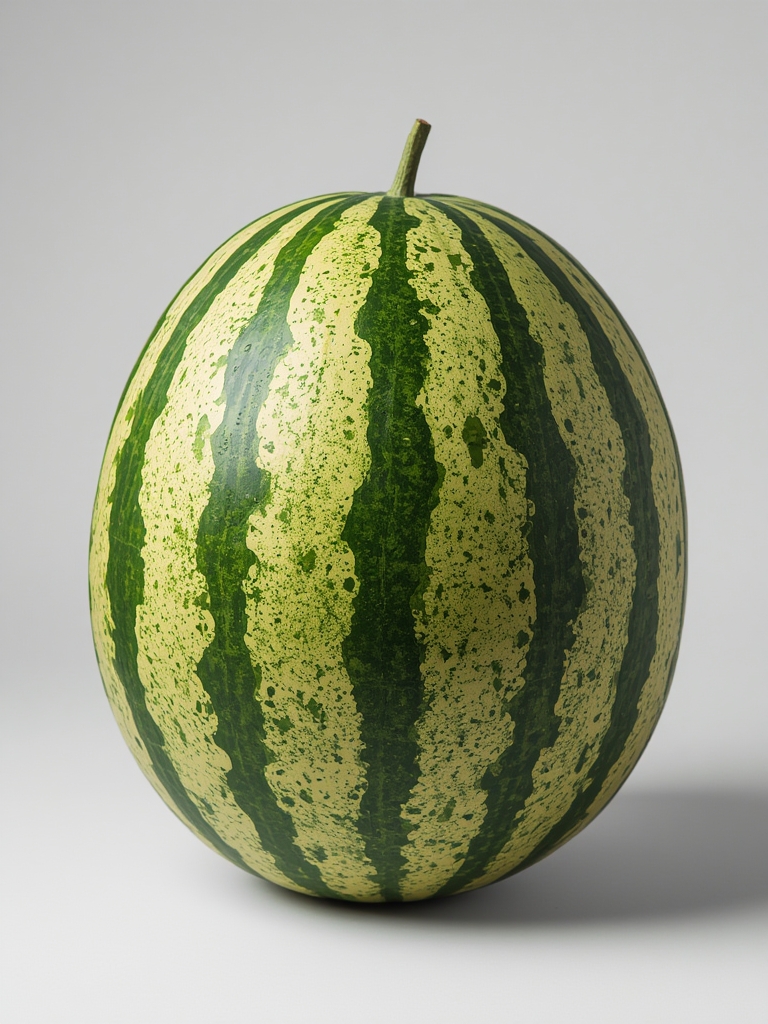

Have you ever bitten into a slice of store-bought watermelon only to be disappointed by its lackluster flavor? Growing your own watermelons at home can reward you with sweeter, juicier fruits that surpass anything you’ll find at the supermarket. Watermelons thrive in warm weather and require some patience, but the satisfaction of harvesting your own perfectly ripened fruit makes the effort worthwhile. Whether you have a spacious garden or just a sunny balcony, you can cultivate these refreshing summer treats with the right approach.
Table of Contents
Materials & Supplies
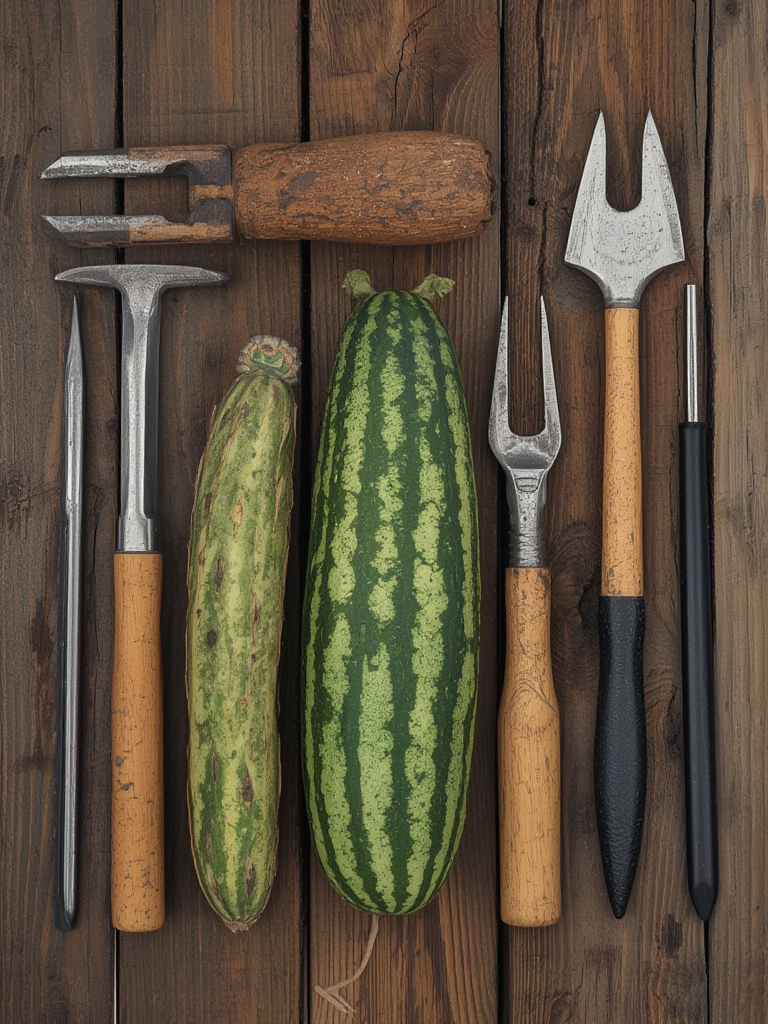
To successfully grow watermelons, you’ll need:
- Watermelon seeds or seedlings: Choose varieties appropriate for your climate and space constraints. Sugar Baby is ideal for smaller spaces, while Crimson Sweet produces larger fruits.
- Well-draining soil: A sandy loam soil with pH between 6.0-7.0 works best.
- Compost or aged manure: For enriching the soil with nutrients.
- Fertilizer: A balanced 10-10-10 formula, later transitioning to one with less nitrogen.
- Mulch: Black plastic mulch helps warm the soil and prevent weed growth.
- Watering equipment: Drip irrigation or soaker hoses are ideal for consistent moisture.
- Support materials: For vine training (optional), such as trellises for vertical growing.
- Row covers: To protect young plants from pests and cold (optional).
Timing / Growing Schedule
Watermelons require a long growing season of 80-110 days with warm temperatures. Start seeds indoors 3-4 weeks before the last frost date if you live in cooler regions. In warmer climates, direct sowing after soil temperatures reach at least 70°F (21°C) is possible. Plan your planting so harvest occurs during the peak of summer heat, which concentrates the sugars in the fruit. Most varieties will be ready for harvest from mid-to-late summer, about 80-95 days after planting.
Step-by-Step Instructions
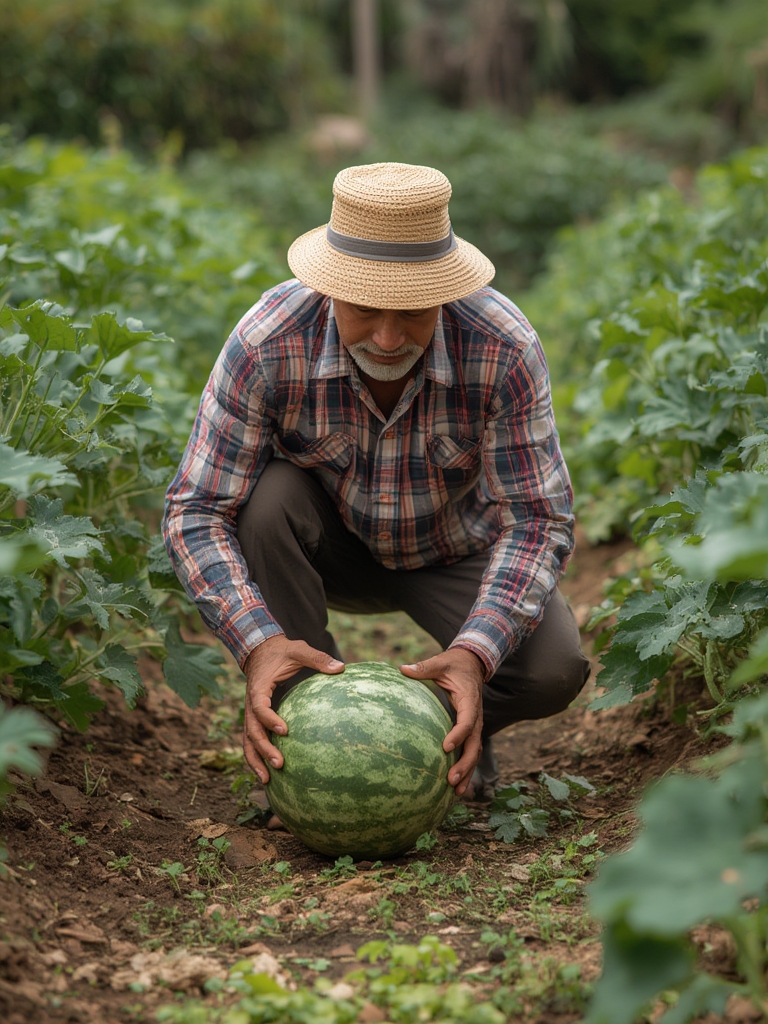
Prepare the soil: Incorporate 2-3 inches of compost or aged manure into your garden bed. Create mounds or hills about 3 feet in diameter, spaced 6-8 feet apart to give vines ample growing room.
Plant the seeds: Sow 4-6 seeds per mound, about 1 inch deep. Once seedlings develop 2-3 true leaves, thin to the strongest 2-3 plants per hill.
Provide adequate water: Keep soil consistently moist but not waterlogged. Watermelons need 1-2 inches of water weekly. Reduce watering when fruits begin to ripen to increase sweetness.
Fertilize appropriately: Apply balanced fertilizer when plants begin to vine, then switch to one with less nitrogen and more phosphorus and potassium when flowering begins.
Protect the fruits: Place a barrier (like cardboard) beneath developing melons to prevent soil contact and reduce rot risk.
Determine ripeness: Look for a yellowing spot where the melon rests on the ground, a dull rather than shiny rind, and a hollow sound when tapped.
Nutritional Benefits
Homegrown watermelons offer exceptional nutritional value. They’re over 90% water, making them excellent for hydration while being low in calories. They contain vitamin C, vitamin A, and antioxidants like lycopene, which gives red watermelon its color and offers heart health benefits. The amino acid citrulline in watermelon rind may help improve exercise performance and reduce muscle soreness.
Tips and Alternative Methods
For limited spaces, try growing compact varieties vertically on sturdy trellises, supporting developing fruits with slings made from old t-shirts or pantyhose. In cooler climates, use black plastic mulch to warm soil and consider growing under cloches or in greenhouses. For sweeter fruits, limit watering during the final two weeks before harvest and ensure full sun exposure.
Common Mistakes to Avoid
- Overcrowding plants: Allow sufficient space between plants for air circulation.
- Inconsistent watering: Irregular moisture causes splitting and poor flavor development.
- Harvesting too early: Underripe watermelons lack sweetness and proper texture.
- Poor pollination: Plant pollinator-friendly flowers nearby to attract bees.
- Overfertilizing with nitrogen: Excessive nitrogen produces lush vines but fewer fruits.
Storage / Maintenance Tips
Store uncut watermelons at room temperature for up to a week or in the refrigerator for 2-3 weeks. Cut watermelon should be wrapped tightly and refrigerated for up to 3-4 days. Throughout the growing season, remove any diseased leaves promptly and watch for common pests like aphids and cucumber beetles. Apply organic insecticidal soap as needed.
Conclusion
Growing your own watermelons requires some space and patience, but the reward of harvesting perfectly ripe, incredibly sweet fruits makes every effort worthwhile. By following these guidelines and adapting them to your specific growing conditions, you’ll enjoy the unmatched flavor of homegrown watermelon. Give it a try this growing season, and you might never want to buy store-bought watermelon again!
FAQs
How do I know when my watermelon is ripe?
Look for dried tendrils nearest the fruit, a yellow (not white) ground spot, and a deep, hollow sound when tapped.
Can I grow watermelons in containers?
Yes, compact varieties like Sugar Baby can grow in containers at least 18 inches deep and 24 inches wide, but yields will be smaller.
How many watermelons will one plant produce?
Under ideal conditions, a single plant typically produces 2-4 melons, depending on the variety.
Why are my watermelon flowers falling off without forming fruit?
This could indicate poor pollination. Try hand-pollinating by transferring pollen from male to female flowers using a small paintbrush.
How do I prevent animals from eating my watermelons?
Use fencing, motion-activated sprinklers, or protective netting around your garden bed to deter wildlife.