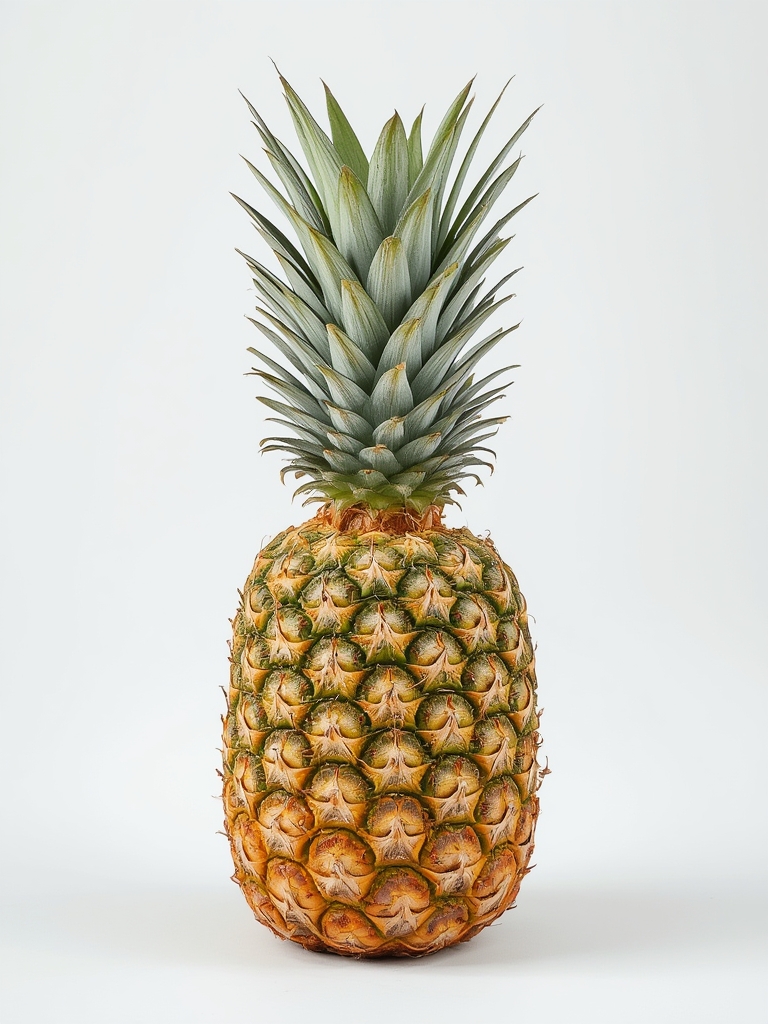

Have you ever bitten into a perfectly ripe pineapple and wondered if you could grow this tropical delight in your own home? The good news is that you absolutely can grow pineapples without a greenhouse, regardless of your climate! Growing pineapple plants at home is not only a rewarding experience but also provides you with the freshest fruit possible. Unlike many tropical fruits, pineapples are surprisingly adaptable and can thrive as houseplants with proper care. Let’s explore how you can grow your own pineapple plant from start to fruit.
Table of Contents
Materials & Supplies
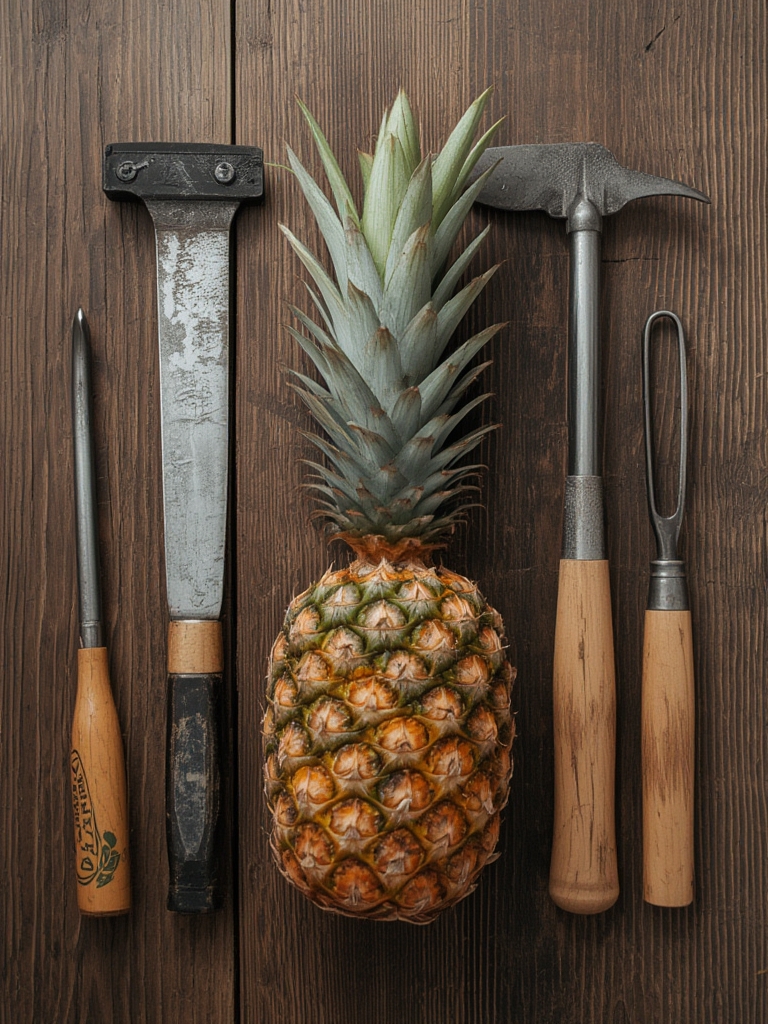
To start your pineapple growing journey, you’ll need:
- A fresh, ripe pineapple with healthy, green leaves
- A sharp knife
- 8-10 inch pot with drainage holes
- Well-draining potting mix (cactus or succulent mix works well)
- Perlite or coarse sand for improved drainage
- Balanced liquid fertilizer (10-10-10)
- Watering can
- Sunny location (indoors or outdoors)
- Optional: Rooting hormone to encourage root development
- Optional: Clear plastic bag for creating humidity during propagation
The quality of your starting pineapple is crucial—look for one with vibrant green leaves and a ripe but not overripe fruit. Organic pineapples are ideal as they haven’t been treated with growth inhibitors.
Timing / Growing Schedule
Pineapple plants require patience. Here’s what to expect:
- Preparation and planting: 1 day
- Root development: 6-8 weeks
- Growing period to maturity: 18-24 months indoors (12-18 months in tropical climates)
- Fruiting: After flowering, fruit development takes about 6 months
The entire process from planting to harvesting typically takes 2-3 years when grown indoors. This is significantly longer than the 18-month cycle in tropical plantations, but the reward is worth the wait!
Step-by-Step Instructions
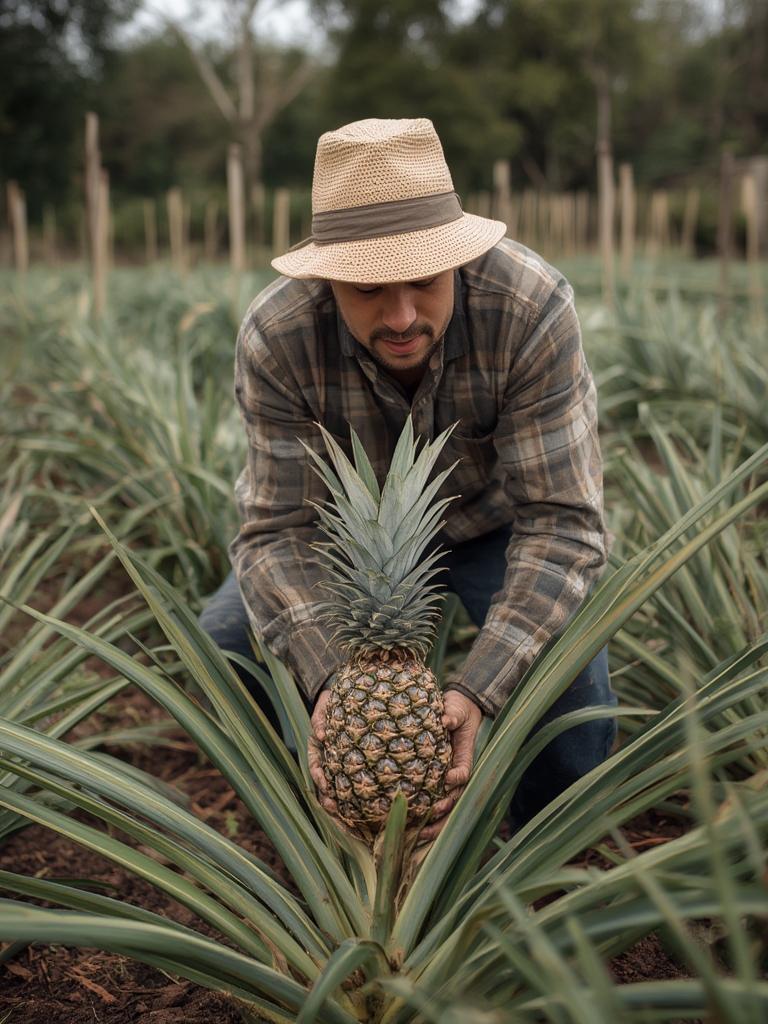
Select and prepare the pineapple crown
- Twist off the leafy top from a ripe pineapple
- Trim away excess fruit flesh, leaving about 1/2 inch of the base
- Remove several bottom leaves to expose the stem for root development
- Allow the crown to dry for 5-7 days to prevent rotting
Plant the prepared crown
- Fill your pot with well-draining soil mixed with perlite
- Plant the crown about 1 inch deep in the soil
- Gently press soil around the base for stability
- Water lightly, keeping the soil barely moist until roots develop
Provide proper care during establishment
- Place in bright, indirect light
- Keep soil barely moist but never soggy
- After 6-8 weeks, test for root development by gently tugging on the plant
- Once established, move to a location with 6+ hours of direct sunlight
Maintain healthy growing conditions
- Water when the top inch of soil becomes dry
- Fertilize with diluted balanced fertilizer every 2-3 months
- Rotate the pot regularly for even growth
- Move indoors if temperatures drop below 60°F (15°C)
Nutritional Benefits
Homegrown pineapples are packed with vitamin C, manganese, and bromelain—a powerful enzyme that aids digestion and reduces inflammation. Growing at home means you can harvest at peak ripeness, maximizing these nutritional benefits without pesticide residues found in commercially grown fruit.
Tips and Alternative Methods
- Container selection: Use a terracotta pot to improve drainage and prevent root rot
- Indoor growing: Place near a south-facing window or use grow lights if natural light is insufficient
- Water collection: Use the central cup formed by pineapple leaves to catch water, but change this water regularly to prevent rot
- Inducing flowering: After 18 months, place a ripe apple near your plant for 1 week—the ethylene gas encourages flowering
Common Mistakes to Avoid
- Overwatering: This leads to root rot—the most common cause of pineapple plant failure
- Insufficient light: Results in leggy, weak plants that won’t produce fruit
- Cold exposure: Temperatures below 60°F can damage or kill your plant
- Impatience with fruiting: Forcing flowering too early results in small, underdeveloped fruit
Storage / Maintenance Tips
Water your established pineapple plant when the top inch of soil dries out—about once a week in summer and less frequently in winter. Fertilize lightly every 2-3 months with a balanced fertilizer diluted to half strength. When your pineapple finally ripens, harvest it when the fruit develops a golden color and emits a sweet fragrance. A homegrown pineapple will store at room temperature for 2-3 days or in the refrigerator for up to a week.
Conclusion
Growing a pineapple at home without a greenhouse is a rewarding project that requires minimal investment and tools. While it takes patience, watching your pineapple crown transform into a beautiful plant and eventually produce fruit is incredibly satisfying. Start with just one plant, and as you gain confidence, you can expand your indoor tropical garden. Have you tried growing pineapples at home? Share your experience in the comments below!
FAQs
How long does it take for a pineapple to grow fruit?
From planting to harvest, expect 2-3 years for indoor-grown pineapples. The plant will flower after about 18-24 months, with fruit development taking an additional 6 months.
Can I grow multiple pineapples from one plant?
Yes! After harvesting, your plant will produce offsets or “pups” from the base that can be separated and grown as new plants.
Why are the leaves on my pineapple plant turning brown?
Brown leaf tips usually indicate underwatering or low humidity, while brown patches may signal sunburn. Adjust watering frequency and consider misting the plant regularly.
Do pineapple plants need special fertilizer?
No special fertilizer is required—a standard balanced fertilizer (10-10-10) applied at half strength every 2-3 months is sufficient.