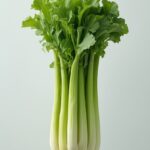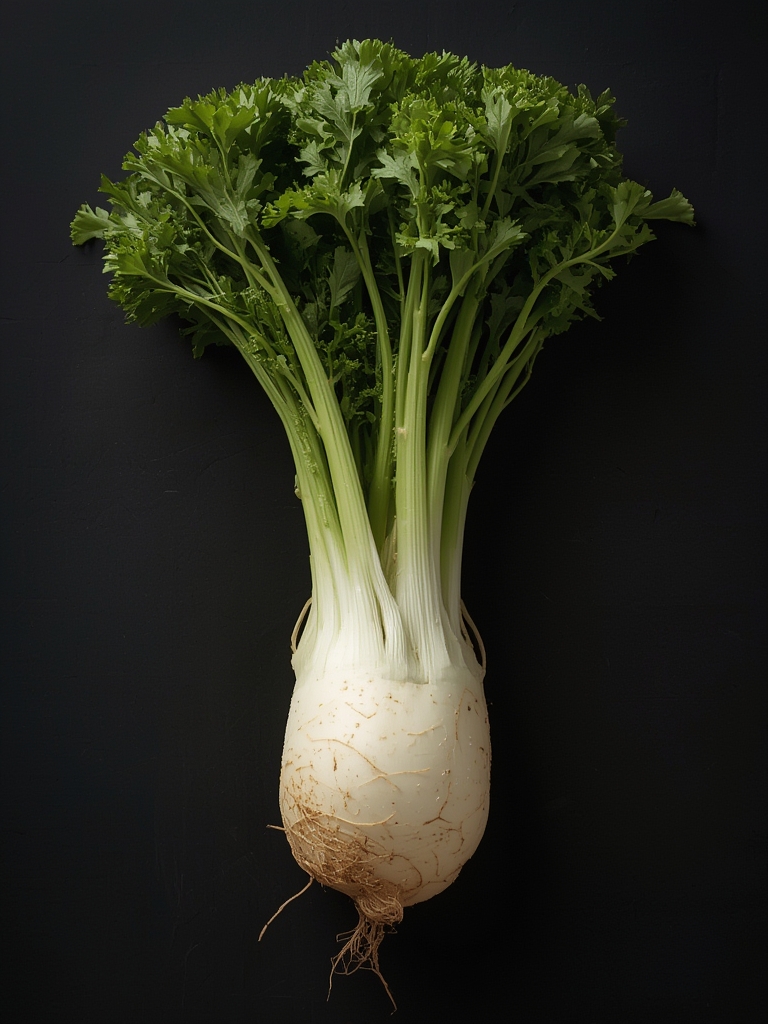

Ever wondered how to grow that knobby, flavorful vegetable that’s a staple in European cuisine but often overlooked in American gardens? Celeriac, also known as celery root, might look intimidating with its rough exterior, but growing this versatile root vegetable at home is surprisingly achievable for gardeners of all experience levels. Whether you have acres of land or just a few containers on your patio, celeriac can thrive in your garden and reward you with its distinct flavor that combines celery with parsley notes. Growing celeriac at home ensures you’ll have this nutritional powerhouse available for soups, purees, and roasts without paying premium prices at specialty markets.
Table of Contents
Materials & Supplies
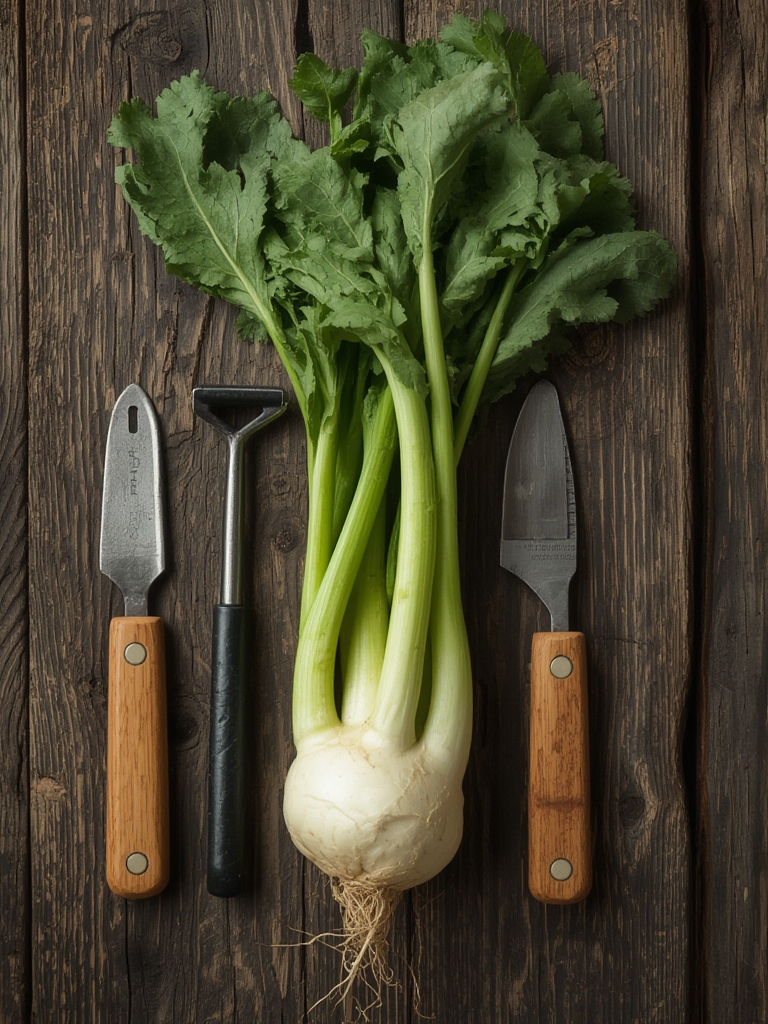
To successfully grow celeriac, you’ll need:
- Celeriac seeds: Choose a variety suited to your climate like ‘Diamant’ or ‘Monarch’
- Seed-starting trays: With individual cells at least 2 inches deep
- Seed-starting mix: Lightweight, sterile medium for germination
- Potting soil: Rich in organic matter for transplanting seedlings
- Garden soil amendments: Compost, aged manure, and balanced organic fertilizer
- Garden tools: Trowel, garden fork, and watering can with fine rose attachment
- Mulch material: Straw or shredded leaves work well
- Plant markers: To identify your celeriac among other seedlings
Optional supplies include a soil thermometer to monitor temperatures, row covers for cold protection, and a pH testing kit to ensure soil is between 6.0-7.0.
Timing / Growing Schedule
Celeriac requires a long growing season of 100-120 days to reach maturity. Start seeds indoors 10-12 weeks before your last spring frost date, typically in early March for most regions. Transplant outdoors 2-3 weeks after your last frost date when soil temperatures consistently reach 50°F (10°C). Harvest typically occurs in late fall, often after the first light frosts which actually improve flavor. Compared to carrots (70-80 days) or beets (55-70 days), celeriac demands significantly more patience but rewards gardeners with its unique taste.
Step-by-Step Instructions
Seed Starting: Sow seeds on the surface of moist seed-starting mix and press lightly. Don’t cover with soil as celeriac needs light to germinate. Pro tip: Mix the tiny seeds with sand for more even distribution.
Germination: Maintain consistent moisture and temperatures around 70°F (21°C). Germination is slow, often taking 2-3 weeks. Mist rather than water to avoid disturbing seeds.
Seedling Care: Once seedlings develop true leaves, thin to the strongest plant per cell. Feed weekly with half-strength liquid fertilizer.
Hardening Off: Two weeks before transplanting, gradually expose seedlings to outdoor conditions, starting with 1-2 hours and increasing daily.
Transplanting: Plant seedlings 8-10 inches apart in rows 18 inches apart. Plant at the same depth as they were growing in containers.
Soil Management: Celeriac thrives in rich, moisture-retentive soil. Incorporate 2-3 inches of compost before planting and mulch immediately.
Watering: Maintain consistent moisture throughout the growing season. Dry periods result in woody, tough roots.
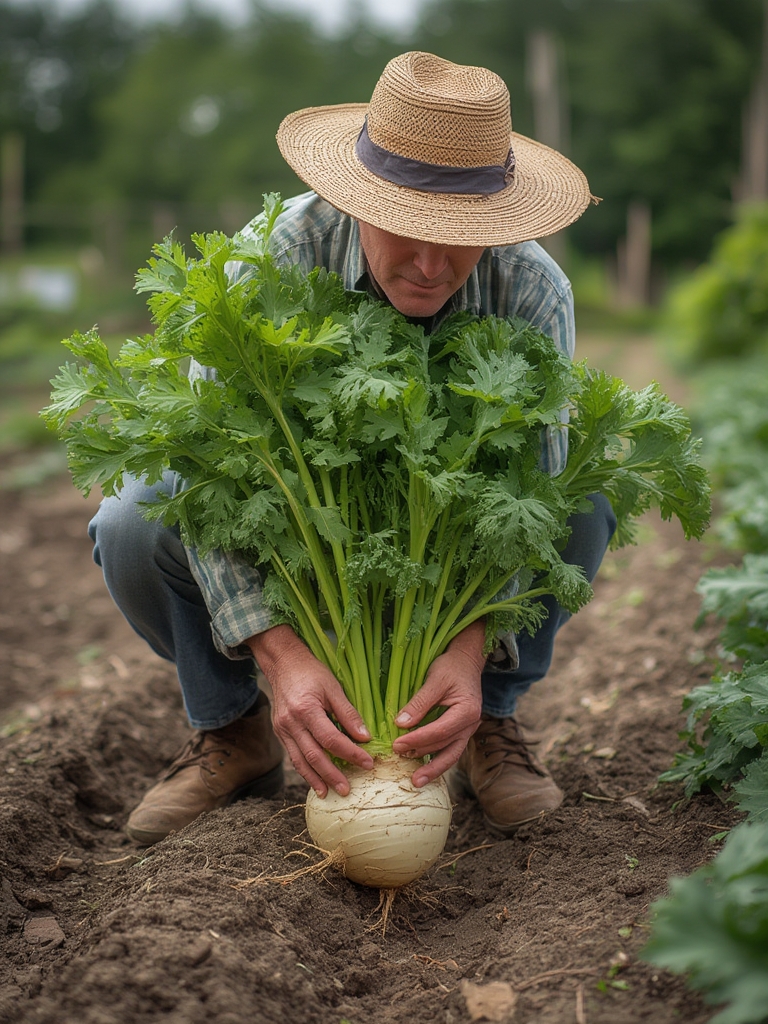
Root Exposure: As plants grow, gently brush away soil from the developing root top to encourage larger root development.
Nutritional Benefits
Celeriac is incredibly nutritious yet low in calories. It contains significant amounts of vitamin K, vitamin C, phosphorus, and potassium. The root vegetable is high in dietary fiber and antioxidants, supporting digestive and heart health. It’s also a good source of B vitamins and contains valuable minerals like manganese and iron.
Tips, Alternative Methods, or Gardening Advice
For container growing, select pots at least 12 inches deep and 12 inches in diameter. One celeriac plant per container works well. In cold climates, consider growing celeriac in raised beds where soil warms faster. For small spaces, interplant young celeriac with fast-maturing crops like radishes or lettuce. In hot climates, provide afternoon shade to prevent stress and bitter flavors.
Common Mistakes to Avoid
- Insufficient watering: Celeriac needs consistent moisture; drought stress causes splitting and woody texture.
- Planting too late: Starting seeds too late gives insufficient time for root development before frost.
- Poor soil preparation: Celeriac needs rich soil; skimping on compost leads to stunted growth.
- Overcrowding: Plants need space to develop large roots; proper spacing is essential.
- Neglecting to mound soil: Failure to mound soil around the developing root leads to green shoulders and reduced yields.
Storage / Maintenance Tips
Harvest celeriac when roots reach 3-5 inches in diameter. For storage, trim foliage to 1 inch, brush off excess soil (don’t wash), and store in a cool (32-40°F), humid environment. Celeriac will keep for 3-4 months in proper conditions. For ongoing care, regularly weed around plants and side-dress with compost midseason. Remove any yellowing outer leaves to reduce disease risk.
Conclusion
Growing celeriac rewards patient gardeners with a versatile, nutritious vegetable that’s expensive to purchase but relatively easy to grow. While it demands a long season and consistent care, the distinctive flavor makes it worth the effort. Whether you’re an experienced gardener looking to expand your crops or a beginner eager to try something unique, celeriac deserves a place in your garden. Share your celeriac growing journey in the comments, and consider exploring our guides on other root vegetables that pair beautifully with this European staple.
FAQs
Can I grow celeriac in partial shade?
Yes, celeriac can tolerate partial shade, especially in hotter climates where afternoon shade may actually benefit the plants by reducing heat stress. However, aim for at least 5-6 hours of sunlight daily.
Why is my celeriac developing small roots?
Small roots typically result from inconsistent watering, poor soil fertility, or crowding. Ensure regular watering, rich soil amendments, and proper spacing of 8-10 inches between plants.
Is celeriac frost-tolerant?
Celeriac is quite frost-tolerant and can withstand light frosts. In fact, exposure to light frost can improve flavor by converting starches to sugars. Harvest before hard freezes occur.
Can I save celeriac seeds from my garden?
Celeriac is biennial, producing seeds in its second year. Allow selected plants to overwinter (protect in cold regions), then collect seeds from flowers produced in the second season. Note that crossing with other Apium plants can occur.