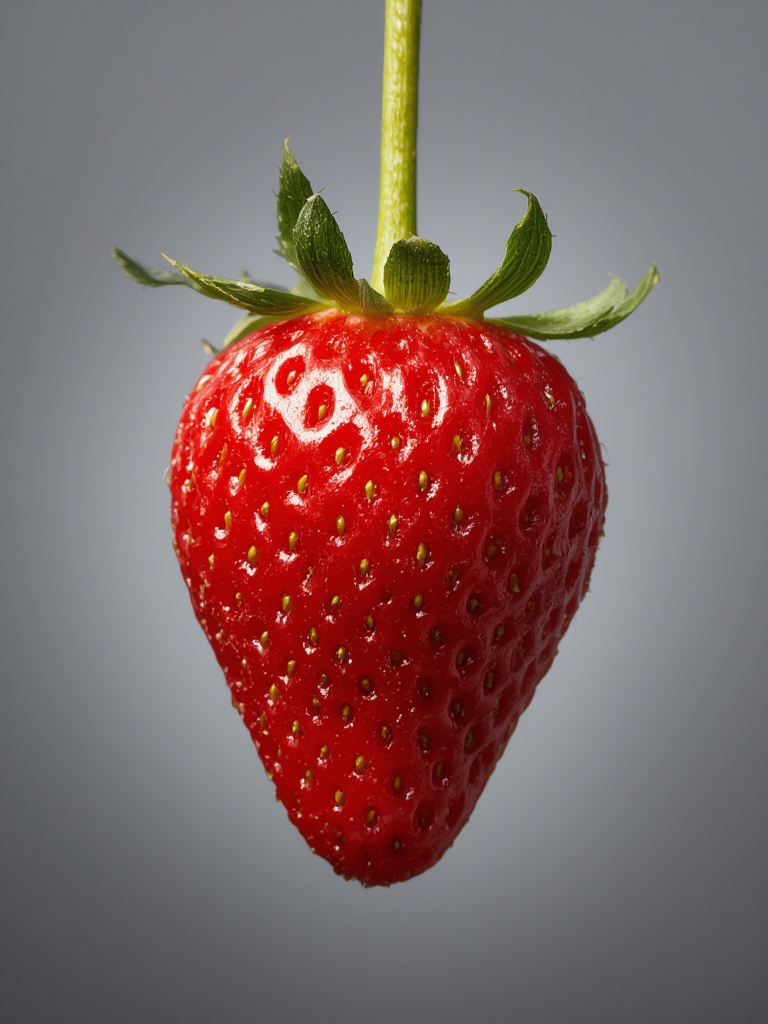

Is there anything more delightful than biting into a sun-warmed, freshly picked strawberry from your own garden? Growing strawberries at home offers an experience that store-bought berries simply can’t match—intensely sweet flavor, zero pesticides, and the pure satisfaction of nurturing something from soil to table. Whether you have a spacious garden or just a sunny balcony, strawberry plants are surprisingly accommodating and can thrive in various settings. With proper care, these perennial fruits can provide bountiful harvests year after year, making them one of the most rewarding edible plants for home gardeners.
Table of Contents
Materials & Supplies

To start your strawberry growing journey, you’ll need:
- Strawberry plants or runners: Choose between June-bearing, everbearing, or day-neutral varieties based on your climate and harvest preferences
- Well-draining containers or garden space: Strawberry-specific planters, hanging baskets, or raised beds work excellently
- Quality potting mix or garden soil: Ideally slightly acidic (pH 5.5-6.5) with plenty of organic matter
- Compost or organic fertilizer: Strawberries appreciate nutrient-rich environments
- Mulch: Straw or pine needle mulch helps prevent fruit from touching soil
- Watering can or irrigation system: For consistent moisture delivery
- Garden gloves and basic tools: Trowel, pruning shears, and garden fork
- Netting or row covers (optional): To protect developing fruit from birds and pests
- Liquid seaweed fertilizer (optional): For boosting fruit production
Timing / Growing Schedule
Strawberries typically have a 4-5 month growing cycle from planting to harvest, though timing varies by variety. Plant dormant bare-root strawberries in early spring as soon as soil is workable, or in fall in warmer regions (zones 7-10). Potted plants can be transplanted almost anytime during growing season.
For June-bearing varieties, expect one large harvest in early summer (approximately 4-6 weeks after blossoming). Everbearing types produce two smaller crops—one in early summer and another in early fall. Day-neutral varieties continuously produce smaller quantities throughout the growing season, usually from late spring until first frost.
Step-by-Step Instructions
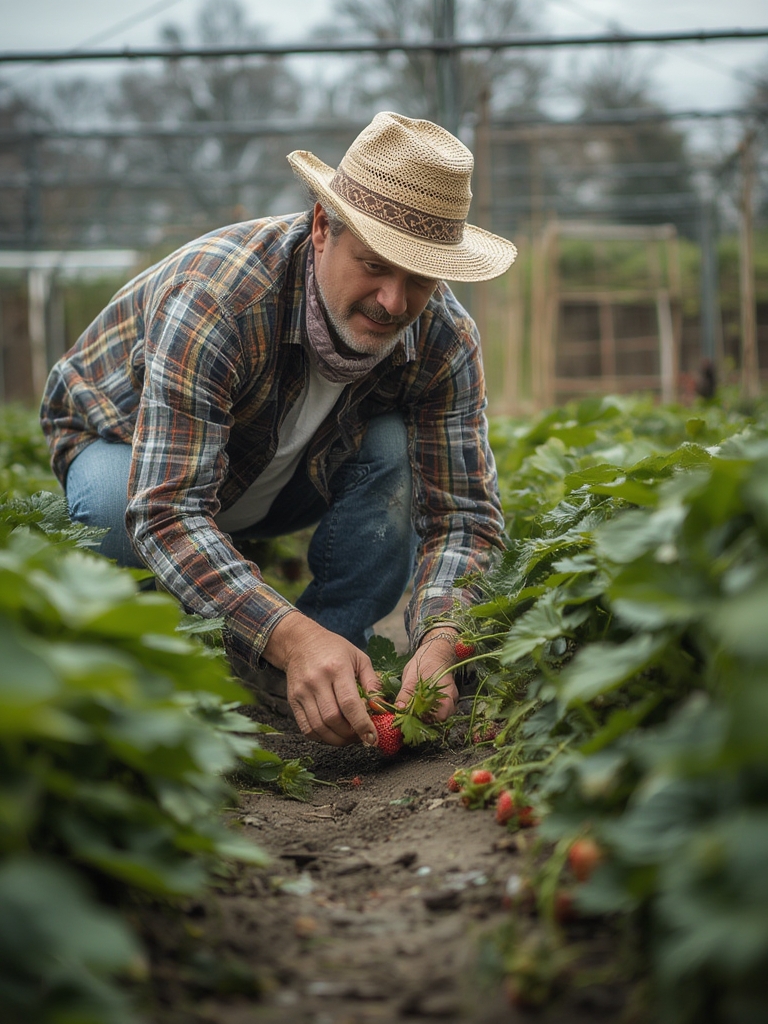
Select the perfect location: Choose a spot receiving 6-8 hours of sunlight daily. Ensure good air circulation to prevent fungal issues.
Prepare your growing area: For garden beds, work compost into soil about 2 weeks before planting. For containers, use a mix of 70% potting soil and 30% compost.
Plant properly: Space plants 12-18 inches apart in rows 2-3 feet apart. The crown (where stems meet roots) should sit exactly at soil level—not too deep or too shallow.
Water thoroughly: Give a deep watering immediately after planting, then maintain consistent moisture (about 1-1.5 inches per week).
Apply mulch: Once plants establish, add 2-3 inches of straw mulch around but not over crowns to suppress weeds and keep fruit clean.
Remove flowers: For newly planted strawberries, pinch off flowers for the first 6 weeks to encourage plant strength and root development.
Control runners: Depending on your growing method, either direct runners to fill in beds or remove them to maintain container vigor.
Nutritional Benefits
Home-grown strawberries deliver impressive nutritional benefits. They’re packed with vitamin C (more than oranges by weight), manganese, folate, and potassium. Their vibrant red color comes from anthocyanins—powerful antioxidants linked to heart health and inflammation reduction. Fresh-picked strawberries also retain maximum levels of these nutrients, unlike store-bought berries that lose nutritional value during shipping and storage.
Tips and Alternative Methods
- Vertical growing: Utilize strawberry towers or tiered planters to maximize small spaces
- Windowsill cultivation: Day-neutral varieties can thrive indoors near south-facing windows
- Companion planting: Pair with borage, spinach, or thyme to improve flavor and deter pests
- Irrigation options: Consider drip irrigation or soaker hoses to keep foliage dry while watering roots
- Alpine strawberries: Try these tiny, intensely flavored varieties for shade-tolerant options
Common Mistakes to Avoid
- Planting too deeply: This suffocates the crown and causes rot. Keep crowns at soil level.
- Overwatering: Causes root rot and encourages slugs. Water soil, not foliage, and maintain even moisture.
- Ignoring pH needs: Strawberries prefer slightly acidic soil (5.5-6.5). Test soil and amend if necessary.
- Overcrowding: Poor air circulation leads to fungal diseases. Thin plants and remove runners as needed.
- Neglecting renovation: June-bearing strawberries need renovation after harvest to produce well the following year.
Storage / Maintenance Tips
Maintain strawberry beds by removing weeds promptly and providing 1-1.5 inches of water weekly. Fertilize lightly with balanced organic fertilizer in early spring and after first harvest. In late fall, apply a winter mulch of straw or pine needles in colder regions.
For harvested berries, refrigerate unwashed fruit in breathable containers lined with paper towels. Consume within 2-3 days for best flavor, or freeze whole berries on trays before transferring to freezer containers for longer storage.
Conclusion
Growing your own strawberries connects you to the joyful cycle of gardening while providing nutritious, incomparably delicious fruit. With minimal space requirements and relatively simple care, strawberry plants offer exceptional returns on your gardening investment. Start with just a few plants and watch as they multiply, providing years of sweet rewards. Why not get your strawberry patch started this season?
FAQs
How many strawberry plants do I need per person?
For fresh eating, plan on 6-10 plants per household member. For preserving and eating, increase to 15-20 plants per person.
Can strawberries grow in partial shade?
Yes, though with reduced yields. Alpine and woodland strawberries tolerate shade better than conventional varieties.
How do I protect strawberries from birds?
Cover plants with lightweight netting supported by hoops or stakes once flowers appear, ensuring the netting doesn’t touch the plants.
Why are my strawberry fruits small or deformed?
This typically indicates poor pollination, nutrient deficiency, or pest damage. Ensure plants receive adequate sunlight, proper fertilization, and protection from insects.
When should I replace my strawberry plants?
Most strawberry plants become less productive after 3-4 years. Replace or rejuvenate beds when yields decline noticeably.