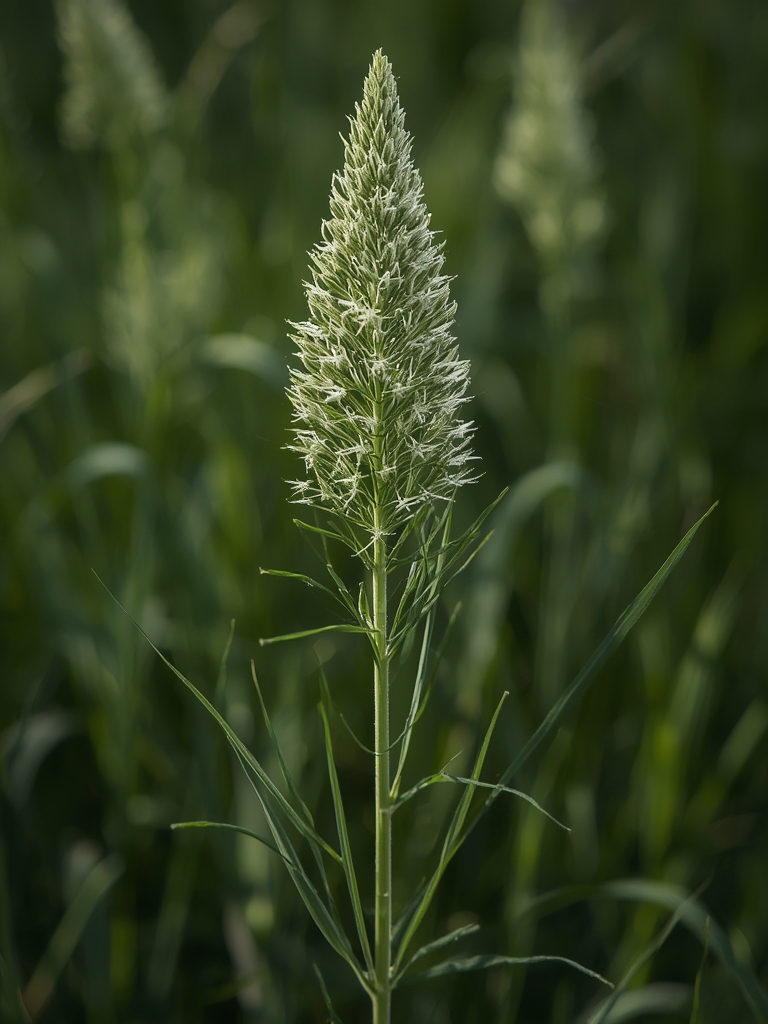

Have you ever reached for fresh dill while cooking, only to find a sad, wilted bunch in your refrigerator? Growing your own dill at home provides an endless supply of this aromatic herb right when you need it. Dill (Anethum graveolens) not only adds distinctive flavor to pickles, fish dishes, and salads but also attracts beneficial insects to your garden. With its feathery foliage and umbrella-shaped yellow flowers, dill serves both culinary and ornamental purposes in any garden space.
Table of Contents
Materials & Supplies
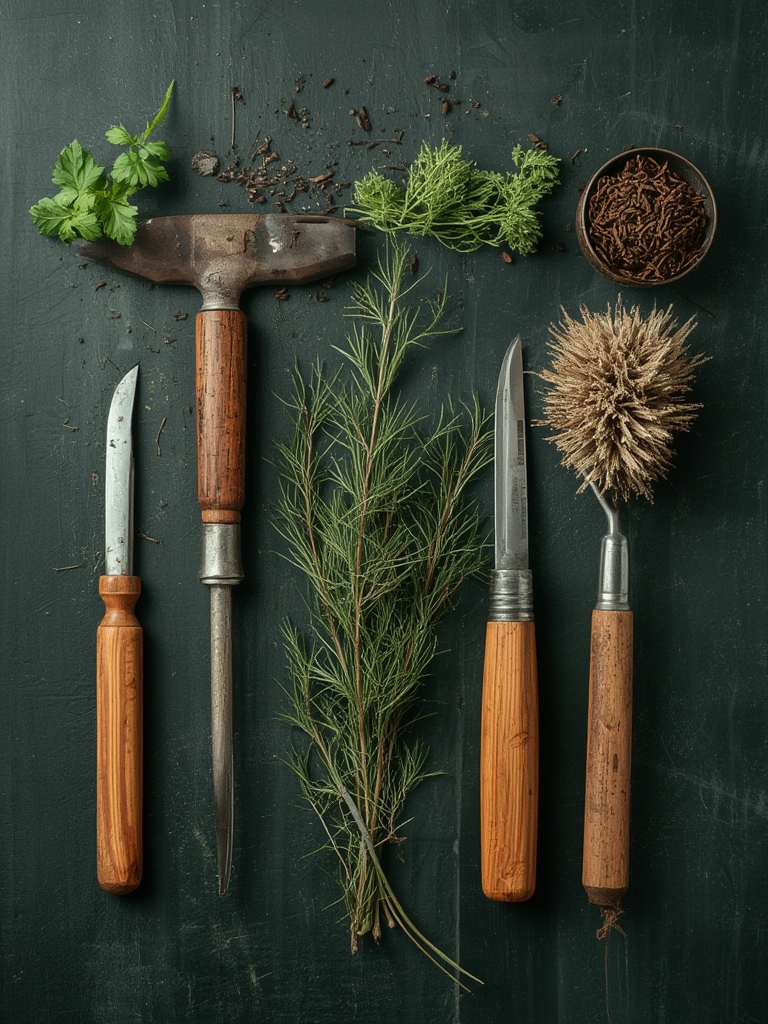
To successfully grow dill at home, you’ll need:
- Dill seeds: Choose quality seeds from reputable suppliers; varieties like ‘Bouquet’ or ‘Fernleaf’ work well in containers.
- Growing containers: 8-12 inch deep pots with drainage holes or garden bed space.
- Potting mix: Well-draining soil enriched with compost (pH 5.5-6.5).
- Watering can: For controlled watering without disturbing young seedlings.
- Plant markers: To identify different varieties or planting dates.
- Garden stakes: Optional for supporting taller plants that might flop over.
- Liquid seaweed fertilizer: For occasional feeding (optional but beneficial).
- Small scissors or garden shears: For clean harvesting without damaging plants.
Timing / Growing Schedule
Dill grows quickly, making it perfect for continuous harvesting. From seed to harvest, expect:
- Germination: 7-14 days after sowing
- First harvest: 40-60 days from sowing
- Total growing period: 70-90 days until flowering
For continuous supply, sow new seeds every 2-3 weeks throughout spring and early summer. Fall plantings work well in zones 8-10, while cooler regions should focus on spring through summer growing seasons.
Step-by-Step Instructions
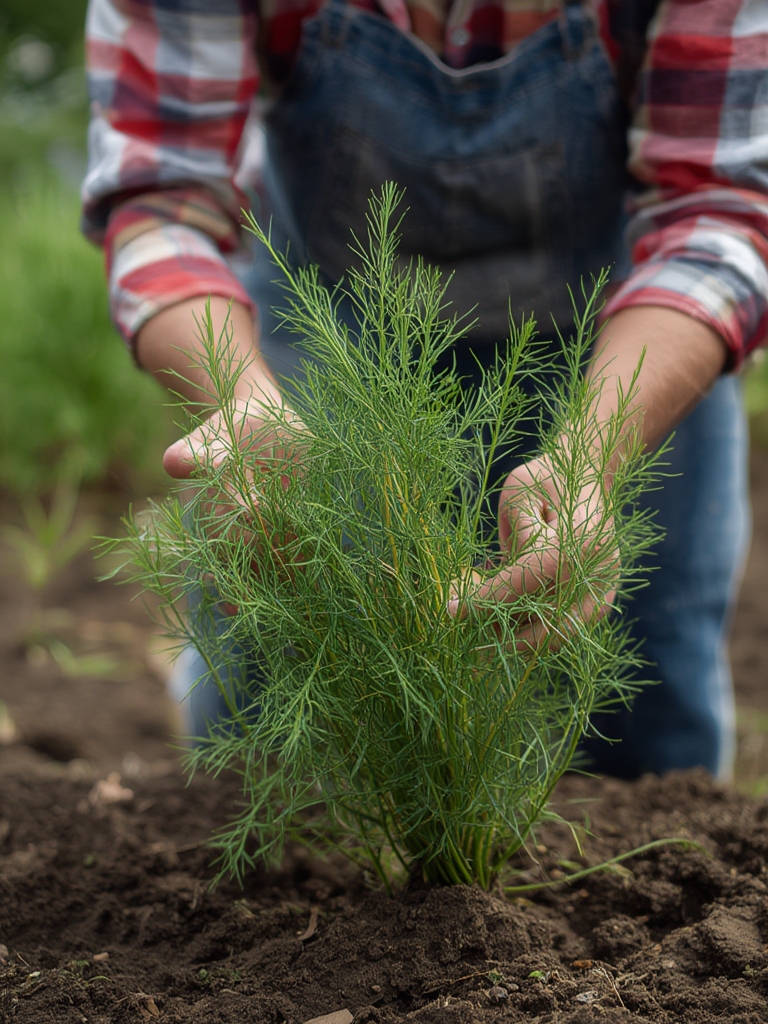
Prepare your planting area: Choose a sunny location receiving 6-8 hours of direct sunlight. Fill containers with well-draining potting mix or prepare garden soil by loosening it to 8 inches deep and mixing in compost.
Sow seeds directly: Dill resents transplanting, so direct sowing is best. Sprinkle seeds thinly on soil surface, then cover with just ¼ inch of soil. For garden beds, space rows 18 inches apart.
Water gently: Use a fine spray or mist to avoid displacing seeds. Keep soil consistently moist but not waterlogged until germination.
Thin seedlings: Once plants reach 2-3 inches tall, thin to 8-12 inches apart, allowing proper air circulation and growth space.
Maintain regular watering: Provide about 1 inch of water weekly, adjusting for rainfall. Morning watering reduces disease risks.
Harvest regularly: Begin harvesting when plants reach 8 inches tall, cutting outer leaves first. Regular harvesting delays flowering and extends the productive period.
Nutritional Benefits
Dill packs impressive nutritional value in its delicate fronds. Rich in vitamins A and C, calcium, iron, and manganese, it provides antioxidants that fight free radicals. Traditional medicinal uses include digestive support and breath freshening. Growing your own ensures maximum nutritional potency, as nutrients diminish quickly after commercial harvesting.
Tips and Alternative Methods
For apartment dwellers, dill grows beautifully in windowsill containers at least 6 inches deep. In hotter climates, provide afternoon shade to prevent bolting. Companion plant dill with cabbage or lettuce, but keep it away from carrots and tomatoes where it can inhibit growth.
Consider allowing some plants to flower and set seed—both for next year’s garden and for culinary use, as dill seeds offer a different but equally delightful flavor profile.
Common Mistakes to Avoid
- Overwatering: Dill prefers slightly dry conditions; soggy soil leads to root rot.
- Poor spacing: Crowded plants develop weak stems and increased disease susceptibility.
- Waiting too long to harvest: Delayed harvesting leads to bitter taste and quick bolting.
- Transplanting mature plants: Always direct-sow or transplant only very young seedlings with minimal root disturbance.
Storage / Maintenance Tips
Store freshly cut dill in a glass of water in the refrigerator for up to a week, or wrap in damp paper towels inside a perforated plastic bag. For longer storage, freeze chopped dill in ice cube trays with water or oil, or dry it in a dehydrator at 95°F until crisp.
Maintenance is minimal—simply remove yellow leaves and spent flowers unless you’re saving seeds. Avoid heavy fertilization, which reduces essential oil content and flavor.
Conclusion
Growing dill at home provides an endless supply of this versatile herb while adding beauty to your garden space. With minimal effort and the right conditions, you’ll enjoy fresh, aromatic dill whenever your recipes call for it. Start your dill growing journey today, and you’ll wonder why you ever relied on store-bought herbs!
FAQs
Why does my dill bolt so quickly?
Hot temperatures and long daylight hours trigger flowering. Plant in partial shade during summer and maintain consistent moisture to delay bolting.
Can I grow dill indoors year-round?
Yes, with 6-8 hours of direct sunlight or grow lights and containers at least 8 inches deep. Indoor plants may be smaller but equally flavorful.
How do I save dill seeds for next season?
Allow seed heads to dry on the plant until they turn brown, then cut and hang upside down in paper bags to catch falling seeds.
Is it better to use fresh or dried dill?
Fresh dill offers brighter flavor for salads and cold dishes, while dried dill works well in cooked recipes where it rehydrates. Fresh dill has approximately triple the flavor intensity of dried.