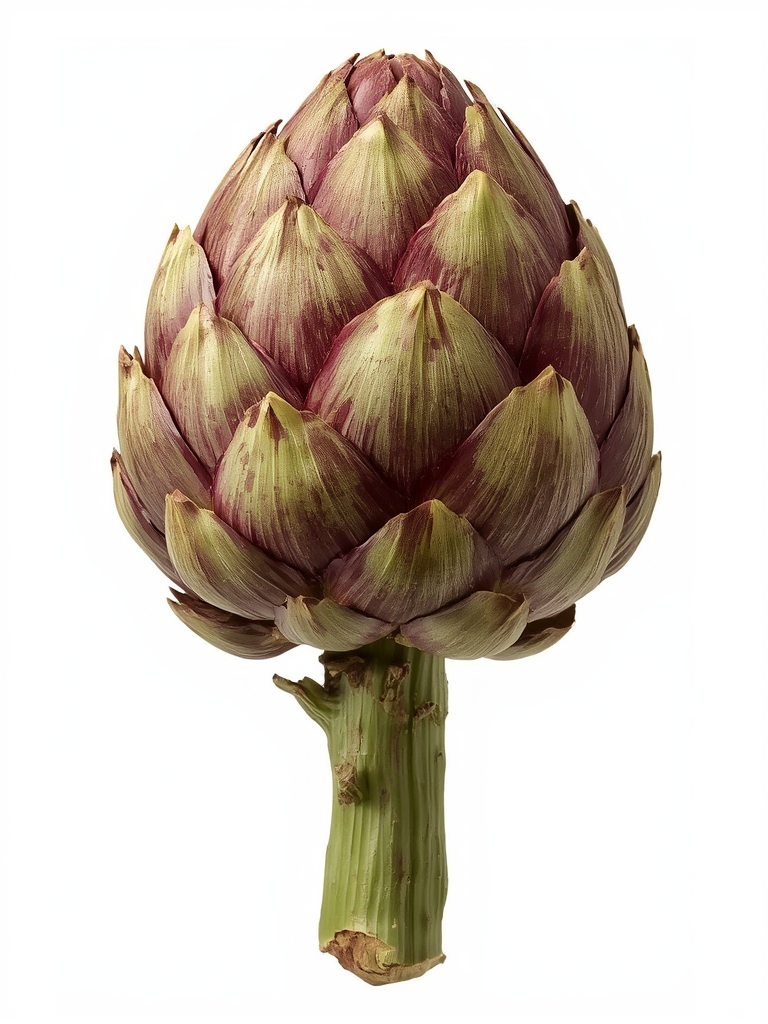

Have you ever wondered if those magnificent globe artichokes from your local farmers’ market could thrive in your own backyard? Growing artichokes at home isn’t just possible—it’s a rewarding venture that can transform your garden into a Mediterranean-inspired oasis. Artichokes (Cynara scolymus) might seem intimidating with their prehistoric appearance, but they’re surprisingly adaptable plants that can flourish in various climates with the right care. Whether you have a spacious garden or a modest balcony, these perennial thistles can provide both ornamental beauty and delicious harvests for years to come.
Table of Contents
Materials & Supplies
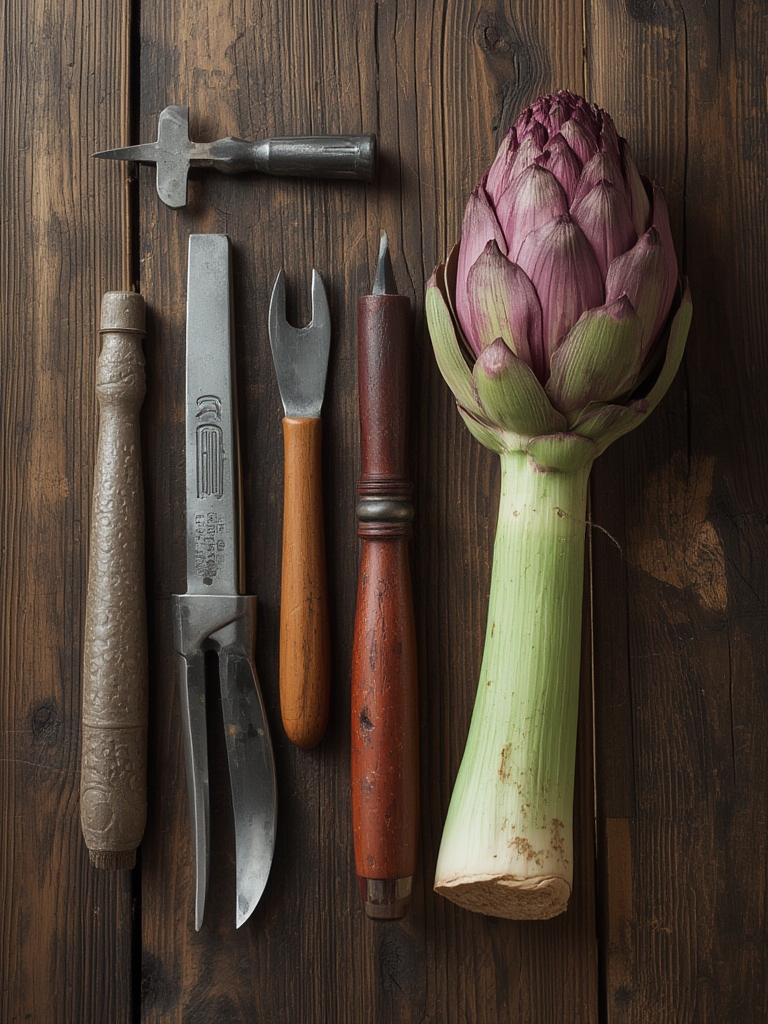
To begin your artichoke growing journey, gather these essential supplies:
- Artichoke seeds or root divisions: Choose either Green Globe (traditional variety) or Imperial Star (annual variety for colder regions)
- Garden soil: Well-draining, fertile soil with plenty of organic matter
- Compost or aged manure: For enriching your planting area
- Mulch: Straw, wood chips, or leaf mulch for temperature regulation
- Garden tools: Shovel, garden fork, pruners, and watering can
- Plant supports: For taller varieties that might need stabilization
- Fertilizer: Balanced organic fertilizer (10-10-10 or similar)
- Cold protection materials: Row covers or mulch for winter protection in zones 6-7
Optional supplies include grow lights for starting seedlings indoors, soil thermometer to monitor ground temperature, and liquid seaweed fertilizer for additional nutrition.
Timing / Growing Schedule
Artichokes require proper timing for optimal growth. In warm climates (zones 8-10), plant in fall for spring harvest. In cooler regions (zones 6-7), start seeds indoors 8-10 weeks before last frost, then transplant after danger of frost has passed.
From planting to first harvest typically takes:
- Seeds to transplant size: 8-10 weeks
- Transplant to harvest: 85-100 days (first year)
- Subsequent years: Harvests begin in spring, 150-180 days after winter dormancy
Perennial artichokes can produce for 3-5 years before needing replacement, making them time-efficient compared to annual vegetables.
Step-by-Step Instructions
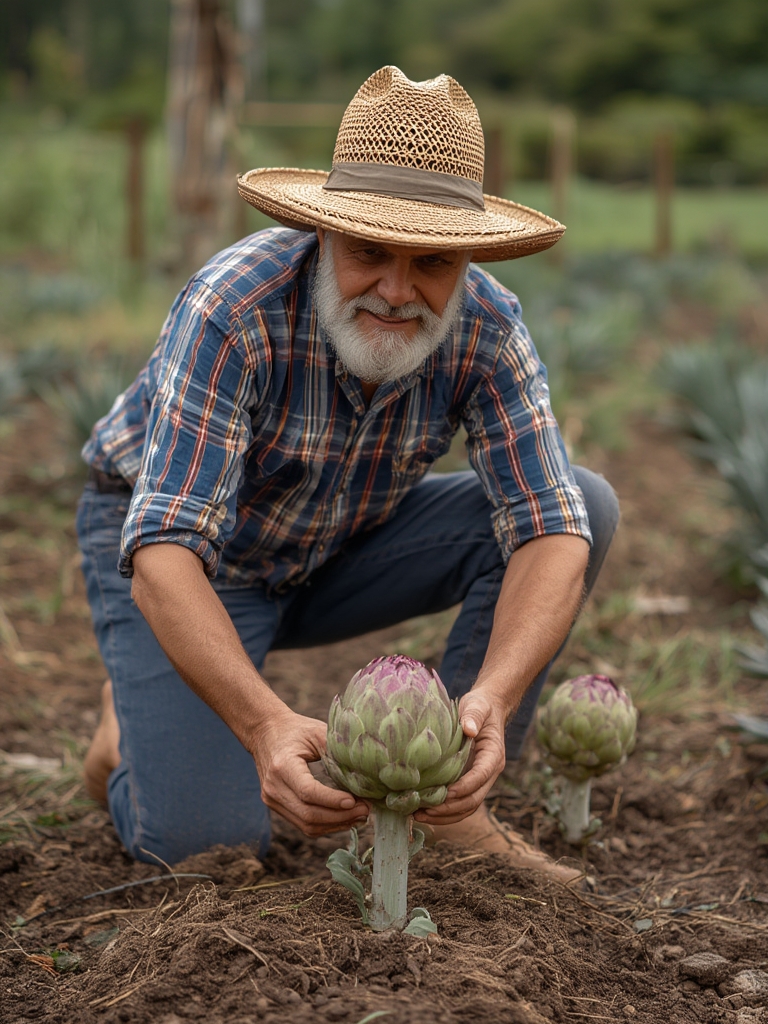
Site selection: Choose a location with full sun (at least 6-8 hours daily) and protection from strong winds. Artichokes need space—plant them 3-4 feet apart as they can grow 3-5 feet tall and wide.
Soil preparation: Enrich garden soil with 3-4 inches of compost or aged manure. Artichokes thrive in fertile, well-draining soil with a pH between 6.5-7.5. Work the amendments 12 inches deep into your soil.
Planting: If starting from seeds, sow ¼ inch deep in seedling trays. For transplants or divisions, dig holes twice as wide as the root ball and at the same depth. Place plants so the crown sits slightly above soil level.
Watering: Keep soil consistently moist but not waterlogged. Provide 1-2 inches of water weekly, more during hot periods. Use drip irrigation to avoid wetting foliage and reducing disease risk.
Feeding: Apply balanced fertilizer when plants are established and again when buds begin to form. Side-dress with compost mid-season to boost production.
Harvesting: Cut primary buds when they reach full size but before scales begin to open (typically 3-5 inches in diameter). Harvest with 1-2 inches of stem attached using sharp pruners.
Nutritional Benefits
Homegrown artichokes offer impressive nutritional value. They’re rich in fiber (7g per medium artichoke), antioxidants, vitamins C and K, folate, and minerals including magnesium and potassium. They contain cynarin, a compound that supports liver function and digestion. Growing them yourself ensures they’re harvested at peak nutritional value without chemical treatments.
Tips and Alternative Methods
For container growing, select dwarf varieties like “Imperial Star” and use 5-gallon (minimum) containers with excellent drainage. In colder climates, grow artichokes as annuals or provide winter protection with thick mulch and row covers. For extended harvests, stagger plantings or choose varieties with different maturation times.
Consider companion planting with sunflowers, tarragon, and other Mediterranean herbs that share similar growing requirements. For organic cultivation, introduce beneficial insects like ladybugs to control aphids naturally.
Common Mistakes to Avoid
Overcrowding plants: Insufficient spacing leads to poor air circulation and increased disease susceptibility. Solution: Maintain 3-4 feet between plants.
Irregular watering: Stress from inconsistent moisture can cause tough, bitter buds. Solution: Implement a regular watering schedule with drip irrigation.
Delayed harvesting: Waiting too long results in woody, inedible buds. Solution: Harvest when buds are tight and before scales begin to separate.
Inadequate winter protection: Freezing can kill roots in colder zones. Solution: Apply 4-6 inches of mulch around the base and cover plants during frost.
Storage / Maintenance Tips
Maintain artichoke plants by removing spent stalks at ground level. Divide established plants every 3-4 years in early spring to rejuvenate growth. In fall, cut back foliage to 12 inches in mild climates or to ground level with mulch protection in colder areas.
For harvested artichokes, store unwashed in the refrigerator for up to one week in a perforated plastic bag. For longer storage, blanch and freeze hearts, or preserve in olive oil with herbs.
Conclusion
Growing artichokes brings the exotic to your everyday garden while providing nutritious, gourmet food for your table. With proper planning, patience, and care, you’ll be rewarded with impressive plants that serve as both conversation starters and delectable treats. Start with just a few plants to learn their rhythms, then expand your artichoke patch as your confidence grows. Your homegrown artichokes will likely become the highlight of your garden—and your dinner table!
FAQs
When is the best time to harvest artichokes?
Harvest artichokes when the buds are firm, tight, and have reached full size but before the scales begin to open. A ripe artichoke will feel heavy and solid when gently squeezed.
Can artichokes grow in cold climates?
Yes, artichokes can grow in zones 6-7 with winter protection (heavy mulching) or by treating them as annuals. Choose cold-hardy varieties like ‘Imperial Star’ specifically developed for cooler regions.
Why are my artichoke leaves turning yellow?
Yellowing leaves typically indicate overwatering, poor drainage, or nutrient deficiencies. Ensure soil drains well and apply balanced fertilizer according to package directions to correct the issue.
How many artichokes can I expect from one plant?
A mature artichoke plant can produce 6-12 primary buds and numerous smaller secondary buds annually. Production is highest in the second and third years for perennial plantings.
Can I grow artichokes from store-bought artichokes?
While technically possible, it’s not recommended. Commercial artichokes are harvested immature and often treated to prevent sprouting. For best results, purchase seeds or divisions from reputable nurseries.